 ✨ AI Generated
Koon-ji Temple
Japanese: 孝恩寺
Kaizuka, Osaka
This information was written by AI and may contain mistakes. Please check official sources for opening hours, fees, and other details before you go.
Found a mistake? Let us know with “✏️ Something's wrong” on this spot's screen in asobot →
🎧 Audio guide(1:10)
In short
A Jodo sect temple located in Kotsumi, Kaizuka City, with the mountain name Jigenzan. Its National Treasure Kannon-do Hall is said to have been constructed without using nails, earning it the name "Kuginashi-do Hall"; it is also known as Kotsumi Kannon-do.
- National Treasure Kannon-do Hall: Its architectural style suggests it dates to the late Kamakura period, making it one of the oldest wooden structures in Osaka Prefecture. Its traditional fired tile (hongawara) roof is laid in a rare style called "Gyoki-buki"
- Heian Period Buddhist Statues: It is said that during times of war, people submerged the statues in nearby rivers or ponds to save them, if nothing else, and they were later retrieved. Nineteen Buddhist statues, including the principal image of Amida Nyorai dating from the mid-Heian period, along with one wooden board painting, are designated as national Important Cultural Properties, and they are specially opened to the public every year around the spring and autumn equinoctial weeks (higan)
- The Place Name Kotsumi: This area, long called "Kinoshima no Somayama," has been known as a source of fine timber, and the name "Kotsumi" came about because this timber was gathered here
History and Highlights
Koon-ji Temple is a Jodo sect Buddhist temple located in Kotsumi, Kaizuka City, with the mountain name Jigenzan. Its Kannon-do Hall, designated as a National Treasure, is said to have been constructed without using nails, earning it the name "Kuginashi-do Hall"; it is also known as Kotsumi Kannon-do.
The Kannon-do Hall was originally a hall of the neighboring Kannon-ji Temple. Kannon-ji Temple is said to have been founded in 726 by Gyoki as one of the 49 temples commissioned by Emperor Shomu. Later, during Toyotomi Hideyoshi's Kishu Campaign targeting temples such as Negoro-ji Temple, the area became a battlefield and the structures were burned down, leaving only the Kannon-do Hall, which had been rebuilt in the Kamakura period. Koon-ji Temple was founded in 1655 adjacent to Kannon-ji Temple as a Jodo sect temple, and together with the local villagers, it continued to protect Kannon-ji Temple. Kannon-ji Temple was abandoned in 1889, and in 1914, Koon-ji Temple took over the Kannon-do Hall along with its collection of Buddhist statues.
Viewing and Experience Highlights
- National Treasure Kannon-do Hall: Although the exact year of its construction is unknown, its architectural style suggests it dates to the late Kamakura period, making it one of the oldest wooden structures in Osaka Prefecture. It has a hipped roof (yosemune-zukuri) measuring five bays on each side, with a traditional fired tile roof laid in a rare style called "Gyoki-buki." The frog-leg struts (kaerumata) set between the pillars are regarded as fine examples from this era.
- Heian Period Buddhist Statues: It is said that during times of war, people submerged the statues in nearby rivers or ponds to save them, and they were later retrieved. Nineteen Buddhist statues, including the principal image of Amida Nyorai dating from the mid-Heian period, along with one wooden board painting, are designated as national Important Cultural Properties. The temple specially opens the storehouse containing these statues to the public every year during the spring and autumn equinoctial weeks (higan).
- The Place Name Kotsumi: This area, long called "Kinoshima no Somayama," has been known as a source of fine timber, and the name "Kotsumi" (literally meaning "wood-piling") originated from the gathering of this timber here.
Travel Tips
It is a 20-minute walk from Mizuma-Kannon Station on the Mizuma Railway. The Kannon-do Hall completed its major Reiwa-era renovation in 2022. Mizuma-dera Temple, known for its Kannon that wards off evil, is located about 800 meters to the west, and visiting both together is recommended. Because temple parking is limited, visiting by public transportation is advisable.


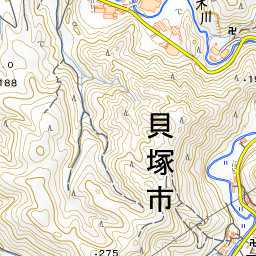
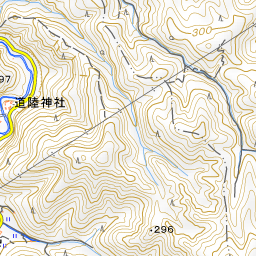
Spot location © OpenStreetMap contributors (ODbL)
Open in Google MapsGuides that include this spot (1)
Use asobot while you walk
- See where you are on the map and find spots nearby
- Listen to the guide's audio in course order, one after another (with subtitles)
- Walk to the next spot while following the map
Open on your phone
Scan to open this spot in asobot on your phone.