 ✨ AI Generated
Hoki-ji Temple
Japanese: 法起寺
Ikaruga Town, Nara
This information was written by AI and may contain mistakes. Please check official sources for opening hours, fees, and other details before you go.
Found a mistake? Let us know with “✏️ Something's wrong” on this spot's screen in asobot →
🎧 Audio guide(1:02)
In short
Hoki-ji Temple was founded by Prince Yamashiro no Oe, fulfilling the dying wish of his father, Prince Shotoku. Its three-story pagoda, built in 706 and designated a National Treasure, is the oldest three-story pagoda in Japan. In 1993, it was registered as a World Heritage site along with Horyu-ji Temple as part of the "Buddhist Monuments in the Horyu-ji Area."
- Three-Story Pagoda: Standing approximately 24 meters tall, it is the only structure surviving from the time of the temple's founding. Although modeled after the five-story pagoda of Horyu-ji Temple, its alignment relative to the Kondo (Main Hall) forms a contrast with that of Horyu-ji Temple.
- Site of Okamoto-no-miya Palace: The temple is believed to have originated from the Okamoto-no-miya Palace, where Prince Shotoku lectured on the Lotus Sutra.
- Standing Statue of Eleven-Headed Kannon Bosatsu: A gilded wooden statue from the Heian period and an Important Cultural Property. It can be viewed in the newly built storage hall.
History and Highlights
Hoki-ji Temple was founded by Prince Yamashiro no Oe, carrying on the dying wish of his father, Prince Shotoku. The three-story pagoda was built in 706. Archaeological excavations have also confirmed that an earlier structure existed at this location. It is believed to have been the Okamoto-no-miya Palace, where Prince Shotoku lectured on the Lotus Sutra.
It is said that an inscription was once carved on the roban (the base plate of the finial) of the three-story pagoda. Reportedly, it recorded that Prince Shotoku, in his will, instructed Prince Yamashiro no Oe to convert the Okamoto-no-miya Palace into a temple, among other details.
Having flourished during the Nara period, Hoki-ji Temple later declined and came under the umbrella of nearby Horyu-ji Temple. At the end of the 17th century, the monk Shinsei Ennin and his disciples repaired the pagoda and rebuilt the Kodo (Lecture Hall). In 1863, the Shoten-do Hall was also built. In 1993, Hoki-ji Temple was registered as a World Heritage site alongside Horyu-ji Temple as part of the "Buddhist Monuments in the Horyu-ji Area."
Viewing and Experience Points
- Three-Story Pagoda: A National Treasure standing about 24 meters high. A valuable building conveying the architectural style of the Asuka period, it was built in 706 and is the oldest three-story pagoda in Japan. It is also the only surviving structure from the founding era of Hoki-ji Temple.
- Layout Opposite to Horyu-ji Temple: This pagoda was modeled after the five-story pagoda of Horyu-ji Temple. However, in contrast to the layout of Horyu-ji Temple, it stands to the east of the site where the Kondo (Main Hall) once stood.
- Standing Statue of Eleven-Headed Kannon Bosatsu: A gilded wooden statue from the Heian period, which was originally enshrined as the principal image of the Kodo (Lecture Hall). Now designated an Important Cultural Property, it can be viewed in the newly built storage hall.
Travel Tips
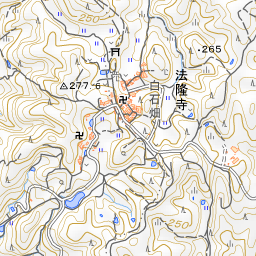
Hoki-ji Temple is located about 1.3 kilometers northeast of Horyu-ji Temple. Walking about 650 meters to the west will bring you to Horin-ji Temple. If you visit after seeing the five-story pagoda at Horyu-ji Temple, you can compare the shape of the pagodas and how they are arranged alongside the Kondo (Main Hall). At Horyu-ji Temple, the Kondo and the five-story pagoda stand side by side horizontally. At Hoki-ji Temple, the pagoda stands to the east of where the Kondo once was.

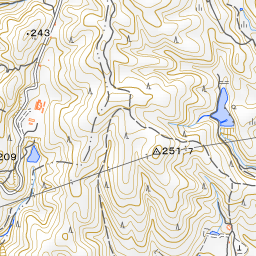
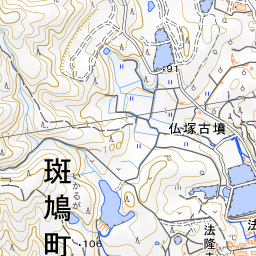
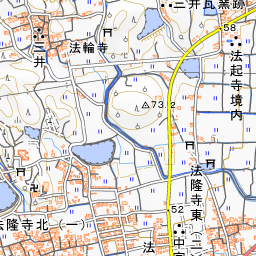
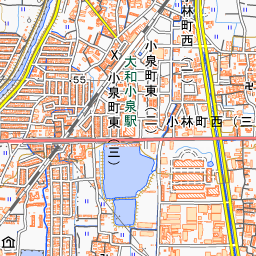
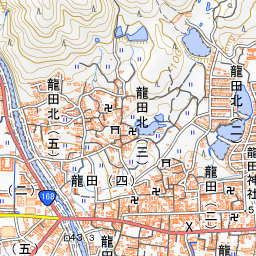
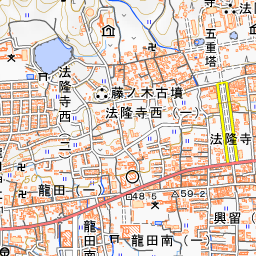
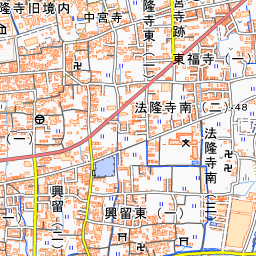

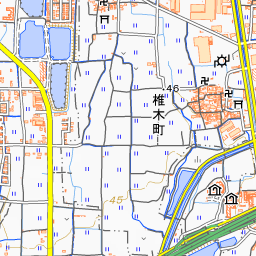
Spot location © OpenStreetMap contributors (ODbL)
Open in Google MapsGuides that include this spot (1)
Use asobot while you walk
- See where you are on the map and find spots nearby
- Listen to the guide's audio in course order, one after another (with subtitles)
- Walk to the next spot while following the map
Open on your phone
Scan to open this spot in asobot on your phone.