 ✨ AI Generated
SOMPO Museum of Art
Japanese: SOMPO美術館
Shinjuku City, Tokyo
This information was written by AI and may contain mistakes. Please check official sources for opening hours, fees, and other details before you go.
Found a mistake? Let us know with “✏️ Something's wrong” on this spot's screen in asobot →
🎧 Audio guide(0:58)
In short
SOMPO Museum of Art is an art museum located in Nishi-Shinjuku. It is known as the only art museum in Asia where visitors can encounter Van Gogh's Sunflowers. It opened in 1976 inside the headquarters building of the predecessor of Sompo Japan, and in 2020, it relocated to a new museum building constructed on the headquarters' grounds.
- Van Gogh's *Sunflowers*: Painted in 1888, this work is displayed in the final section of the exhibition floors.
- Togo Seiji Collection: The museum houses approximately 240 works by Togo Seiji, a Western-style painter known for his distinctive depictions of women.
- Curved Architecture: Gentle curves designed to harmonize with the flared silhouette of the headquarters building are incorporated into both the exterior and interior.
History and Highlights
SOMPO Museum of Art opened in 1976 as the Togo Seiji Museum of Art on the 42nd floor of the headquarters building of Yasuda Fire and Marine Insurance (now Sompo Japan), with the cooperation of Western-style painter Togo Seiji. Following Togo Seiji's death in 1978, the museum received a donation from his bereaved family of 345 art works, including 156 pieces by Togo. This marked the beginning of its collection.
In 1987, the museum opened to the public Van Gogh's Sunflowers, which Yasuda Fire and Marine Insurance had purchased that year. Ever since, it has been widely appreciated as the only museum in Asia where Van Gogh's Sunflowers can be seen. Works by artists such as Renoir, Gauguin, and Cézanne were also added to the collection. In April 2020, the museum adopted its current name, and in July of the same year, it relocated and opened in a new museum building constructed on the grounds of the Sompo Japan headquarters.
Sunflowers is believed to have been painted between late November and early December 1888, during the period when Van Gogh was living with Gauguin in Arles in the south of France. Although based on the "Sunflowers with a Yellow Background" in the National Gallery in London, its brushwork and color tones differ. It suggests that Van Gogh was not merely making a copy, but was developing his ideas as he painted.
Viewing and Experience Highlights
- Encountering Sunflowers at the End of the Exhibition Floor: The exhibition galleries are located on the 3rd to 5th floors, and visitors tour them by descending from the 5th floor to the 4th and then the 3rd. Sunflowers is displayed in the final section of the exhibition floors. It is viewed as part of the overall exhibition, and it is not possible to view only Sunflowers on its own.
- Works of Togo Seiji: Togo Seiji is a Western-style painter known for his distinctive portrayals of women. The museum houses approximately 240 works by Togo, including 70 oil paintings spanning from his early to late periods. The museum's logo is also based on a motif from Togo's work Surrealist Walk.
- Curved Architecture: The museum's design concept centers on motifs inspired by the works of Togo Seiji and gentle curves that harmonize with the flared silhouette of the headquarters building. These curves are incorporated into both the exterior and the interior. In the front garden, there is a ceramic board reproduction of Sunflowers.
Visiting Tips
The museum is a 5-minute walk from the West Exit of JR Shinjuku Station. The 1st floor is the entrance hall, and the 2nd floor features the museum shop and a rest area. The viewing route takes visitors up to the 5th floor by elevator, down through the 4th and 3rd floors, past the museum shop on the 2nd floor, and out through the 1st floor. The museum is closed between exhibitions for installation changes, during which times Sunflowers cannot be viewed either. Tokyo Metropolitan Government Building No. 1 is approximately 560 meters to the southwest, and Omoide Yokocho is approximately 270 meters to the east.


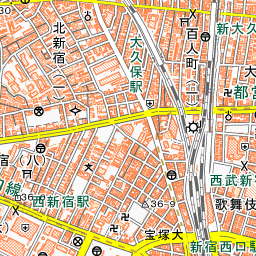


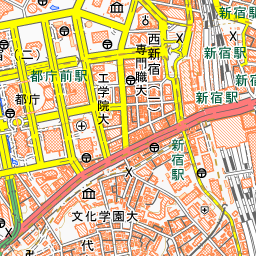


Spot location © OpenStreetMap contributors (ODbL)
Open in Google MapsGuides that include this spot (1)
Use asobot while you walk
- See where you are on the map and find spots nearby
- Listen to the guide's audio in course order, one after another (with subtitles)
- Walk to the next spot while following the map
Open on your phone
Scan to open this spot in asobot on your phone.