 ✨ AI Generated
Miyama Folk Museum
Japanese: 美山民俗資料館
Nantan, Kyoto
This information was written by AI and may contain mistakes. Please check official sources for opening hours, fees, and other details before you go.
Found a mistake? Let us know with “✏️ Something's wrong” on this spot's screen in asobot →
🎧 Audio guide(1:02)
In short
A museum within Miyama Kayabuki-no-Sato, made up of three buildings in what is called the Kitayama Style, which is common among the thatched-roof houses in the settlement: the omoya (main building), a barn, and a storehouse. It had been in use since 1993, having taken over a farmhouse residence built approximately 200 years ago, but in May 2000 a fire destroyed the omoya and the barn, and they were restored to their original appearance when first built, based on detailed records.
- The Underside of the Thatched Roof: Visitors can also go up into the attic to view the structure of the underside of the thatched roof up close
- Tools of Past Daily Life: More than 200 items donated by local households, including tools of daily life, agricultural implements, and ancient documents, are on display, and inside the museum local residents share stories about life in the past
- View from the Engawa: Along the engawa (veranda), there is a spot where you can sit down leisurely and look out over the scenery of Kayabuki-no-Sato
History and Highlights
The Miyama Folk Museum is a museum located in Kita, Miyama-cho, Nantan City, Kyoto Prefecture, within Miyama Kayabuki-no-Sato, which is known as a settlement of thatched-roof private houses. The museum is made up of three buildings: the omoya (main building), a barn, and a storehouse, built in the style known as the Kitayama Style, which is common among the thatched-roof houses in the settlement.
The museum has been in use since 1993, having taken over a farmhouse residence built approximately 200 years ago. However, in May 2000, a fire destroyed the omoya and the barn. Fortunately, detailed records of the buildings remained, allowing them to be faithfully restored to their original appearance when first built. The current buildings were rebuilt based on those records, using materials such as old timber to recreate the atmosphere of that time.
Inside the museum, more than 200 items donated by local households are on display, including old tools of daily life, agricultural implements, and ancient documents. It is a place where you can feel close to the kind of life that was once lived here.
Highlights of Viewing and Experiencing
- The Underside of the Thatched Roof: Visitors can also go up into the attic to view the structure of the underside of the thatched roof up close. This is an opportunity to learn about the interior of a thatched-roof house, which cannot be understood merely by viewing it from the outside.
- Tools of Past Daily Life: From more than 200 exhibits, including tools of daily life and farming implements, you can get a glimpse into how farmers in Miyama once lived. Inside the museum, local residents share stories about life in the past.
- View from the Engawa: Along the engawa (veranda), there is a spot where you can sit down leisurely and look out over the scenery of Kayabuki-no-Sato. Take time to enjoy the landscape of the settlement from inside a thatched-roof house.
Tips for Exploring
The museum does not have a parking lot. When arriving by car, park in the Kayabuki-no-Sato parking lot and walk for about 8 minutes. By train and bus, take the Nantan Municipal Bus from JR Hiyoshi Station and walk about 5 minutes from the "Kita" bus stop. For the history of the settlement and highlights of the townscape, please refer to the guide for Miyama Kayabuki-no-Sato. If you stop by during a walk through the settlement and look at the interior structure of the thatched-roof house, the appearance of the houses viewed from the outside will also feel more familiar. Prior reservations are requested when visiting in groups of 15 or more people.
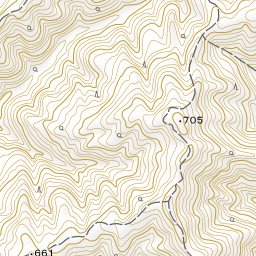
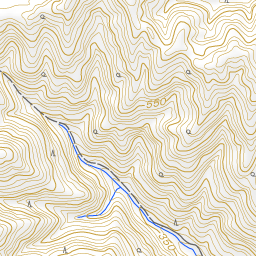
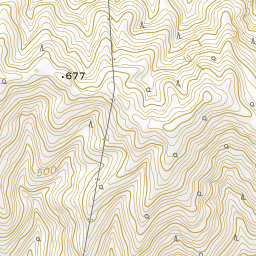
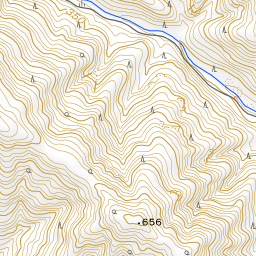
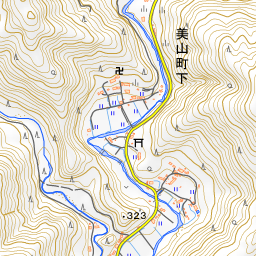
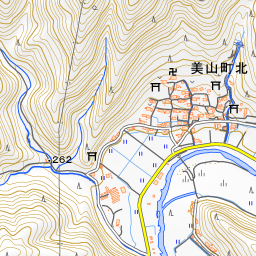
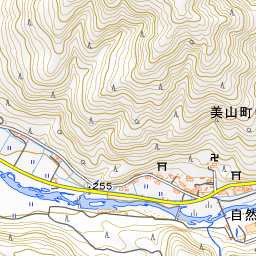
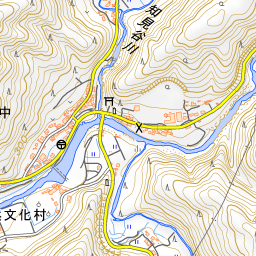
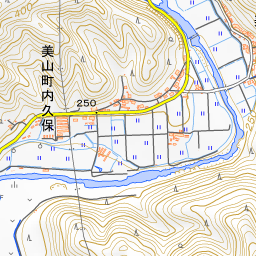
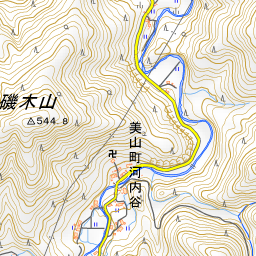
Spot location © OpenStreetMap contributors (ODbL)
Open in Google MapsGuides that include this spot (1)
Use asobot while you walk
- See where you are on the map and find spots nearby
- Listen to the guide's audio in course order, one after another (with subtitles)
- Walk to the next spot while following the map
Open on your phone
Scan to open this spot in asobot on your phone.