 ✨ AI Generated
Taro Okamoto Memorial Museum
Japanese: 岡本太郎記念館
Minato City, Tokyo
This information was written by AI and may contain mistakes. Please check official sources for opening hours, fees, and other details before you go.
Found a mistake? Let us know with “✏️ Something's wrong” on this spot's screen in asobot →
🎧 Audio guide(1:02)
In short
The Taro Okamoto Memorial Museum is the former studio and residence in Minami-Aoyama where the artist Okamoto Taro lived and created his works for 42 years. He lived here until his death in 1996 at the age of 84, and it was opened to the public as a memorial museum in 1998, two years after his passing. It was here that monumental works and murals, including the Tower of the Sun for the Japan World Exposition (Expo '70), were conceived.
- Studio Kept as It Was: Tools, paint splatters on the floor, and unfinished works remain just as they were when the studio was in active use.
- Garden Resembling Ancient Ruins: Sculptures are placed among naturally thriving, wild plants.
- Former Building by Sakakura Junzo: The building designed by his architect friend, Sakakura Junzo, remains preserved as it was.
History and Highlights
Okamoto Taro was born in 1911 as the eldest son of manga artist Okamoto Ippei and poet/novelist Okamoto Kanoko. Aoyama was the place where Taro lived with his parents until he went to Paris. Returning from the war, Taro learned that all the works that had been in the Aoyama house were lost in the fires of war.
In May 1954, an atelier was completed in Aoyama, and Taro established the Contemporary Art Research Institute here. It was designed by the architect Sakakura Junzo, a friend from his days in Paris. Along with staff member Murata Yutaka, who managed the on-site construction, Sakakura was an architect who had honed his skills at Le Corbusier's office. The walls were merely stacked blocks, and the roof was just bent wood. It is said that to support the financially strapped Taro, costs were kept to an absolute minimum.
In 1955, Taro served as host for a tea ceremony at this atelier, welcoming guests including Tange Kenzo and Kitaoji Rosanjin. Taro used this place as his creative space for 42 years from 1954 to 1996, and passed away at the age of 84 on January 7, 1996. All of Taro's paintings from 1954 onward were born from this studio. Giant monuments and murals, including the Tower of the Sun for the 1970 World Exposition, were also conceived here.
On May 7, 1998, two years after his death, the atelier was opened to the public as the Taro Okamoto Memorial Museum. The driving force was the passion of his partner, Okamoto Toshiko, who wished to "pass on Okamoto Taro to the next generation." While preserving the original building designed by Sakakura Junzo, the adjacent two-story wooden structure housing the study and sculpture studio was rebuilt into a new exhibition building.
Points for Appreciation and Experience
- Studio Kept as It Was: In the studio of the original building, tools on the tables, paint splattered on the floor, and unfinished pieces tucked into shelves all remain exactly as they were at the time.
- Salon Designed by Taro: Used for receiving guests and holding meetings, this room connects to the garden through large sliding glass doors. Except for the pink "Tree of Life" brought back from Mexico, everything in the room was designed by Taro himself. The mannequin at the back is a life-sized cast of Taro himself, made while he was submerged in silicone.
- Garden Resembling Ancient Ruins: The garden contains no ornamental flowers; instead, sculptures are placed among naturally overgrown Japanese bananas, ferns, and weeds. With grass even sprouting from the eyes of some sculptures, the atmosphere is reminiscent of ancient ruins.
Tips for Exploring
It is an 8-minute walk from Tokyo Metro Omotesando Station. As soon as you enter, you will find the garden dotted with sculptures spread out before you. You can see the studio and salon in the original building, and special exhibitions on the second floor of the new building. The first floor of the new building houses the museum shop. The Nezu Museum is located about 190 meters to the northeast, making it convenient to visit both together.
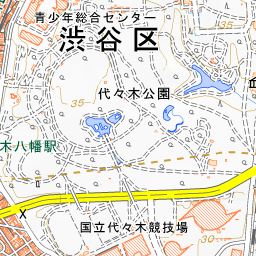
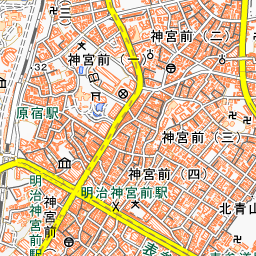
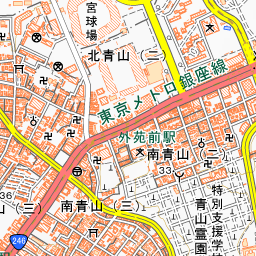
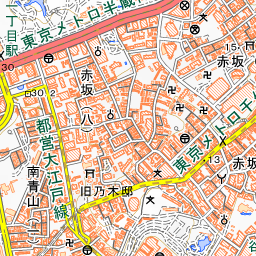

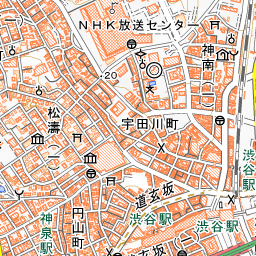
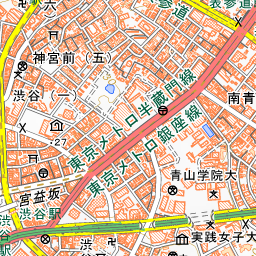
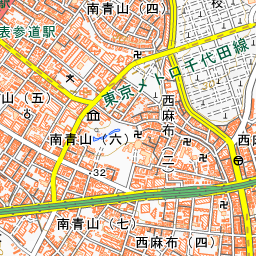
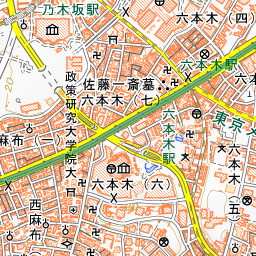
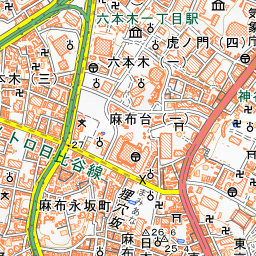
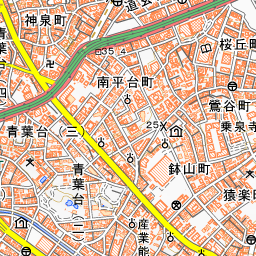
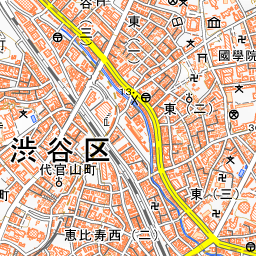
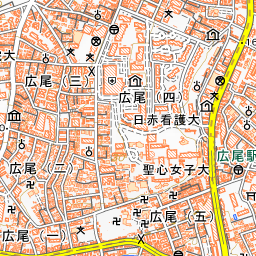
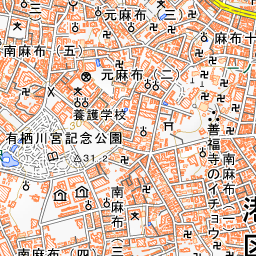
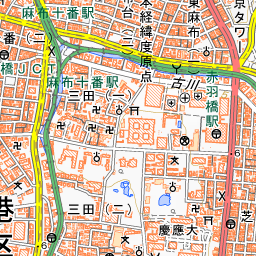
Spot location © OpenStreetMap contributors (ODbL)
Open in Google MapsGuides that include this spot (1)
Use asobot while you walk
- See where you are on the map and find spots nearby
- Listen to the guide's audio in course order, one after another (with subtitles)
- Walk to the next spot while following the map
Open on your phone
Scan to open this spot in asobot on your phone.