 ✨ AI Generated
Hirakata Park
Japanese: ひらかたパーク
Hirakata, Osaka
This information was written by AI and may contain mistakes. Please check official sources for opening hours, fees, and other details before you go.
Found a mistake? Let us know with “✏️ Something's wrong” on this spot's screen in asobot →
🎧 Audio guide(1:06)
In short
A family-oriented amusement park in Hirakata City, affectionately known by the nickname "Hira-Pa." Since its opening in 1912 (the first year of the Taisho era), it is considered to be the oldest continuously operating amusement park in Japan. The "Hirakata Grand Chrysanthemum Dolls," which began alongside the opening of the Keihan Railway, gained popularity for about a century from the Meiji era to the Heisei era, becoming synonymous with Hirakata.
- Attractions utilizing undulating terrain: Taking advantage of the undulating topography, about 40 varieties of attractions are laid out. The wooden roller coaster "Elf" is characterized by the swaying motion and gentle ride unique to wooden coasters
- Giant Ferris Wheel "Sky Walker": A giant Ferris wheel standing about 80 meters high at its apex, offering panoramic views not only of the park itself but also of Osaka and Kyoto from the top
- Rose Garden: A rose garden that opened in 1955 (Showa 30) as the "Dai Bara-en" (Grand Rose Garden) was reborn as the "Rose Garden" in 2000 (Heisei 12). The peak viewing periods are roughly from mid-May to early June and from mid-October to November
History and Highlights
Hirakata Park is a family-oriented amusement park located in Hirakatakoen-cho, Hirakata City, affectionately known by the nickname "Hira-Pa." Its predecessor was Kori Yuenchi, which opened in 1910, and a chrysanthemum doll exhibition held for the first time in Hirakata in 1912 marked the origin of Hirakata Park's opening. Since its opening in 1912 (the first year of the Taisho era), it is considered to be the oldest continuously operating amusement park in Japan. In 1926, the Hirakata Yuen Kumiai (Hirakata Park Association) was formed, effectively unifying its management under Keihan Electric Railway.
Hirakata Park is particularly famous for its chrysanthemum dolls (kiku ningyo). Chrysanthemum dolls are figures whose heads and bodies are decorated with costumes made of colorful small chrysanthemums, representing a "comprehensive art" that brings together the skills of craftsmen such as chrysanthemum dressers (kikushi), doll makers, and cultivators. The "Hirakata Grand Chrysanthemum Dolls," which began alongside the opening of the Keihan Railway, gained popularity for about a century from the Meiji era to the Heisei era, becoming synonymous with Hirakata. Although the large-scale chrysanthemum doll exhibition came to an end in 2005 (Heisei 17), smaller exhibitions continue to be held so that the traditional techniques are kept alive.
Around the time of its renewal in 1996 (Heisei 8), commercials featuring the chime "Hira-Pa♪" helped firmly establish the nickname "Hira-Pa."
Sights and Experiences
- Attractions utilizing undulating terrain: Taking advantage of the undulating topography, about 40 varieties of attractions are laid out across the grounds. The wooden roller coaster "Elf" is characterized by the swaying motion and gentle ride unique to wooden coasters.
- Giant Ferris Wheel "Sky Walker": Standing at an apex height of about 80 meters, this giant Ferris wheel offers panoramic views not only of the park itself, but also of Osaka and Kyoto from the top.
- Rose Garden: Opened in 1955 (Showa 30) as the "Dai Bara-en" (Grand Rose Garden), it was widely loved as a rose garden boasting the largest scale in the Orient. It was reborn as the "Rose Garden" in 2000 (Heisei 12), with the best viewing periods being from mid-May to early June and from mid-October to November.
Tips for Visitors
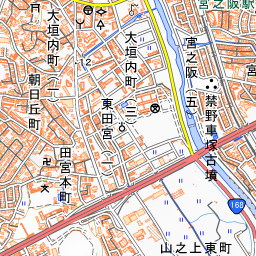
It is about a 5-minute walk south from Keihan Railway's Hirakatakoen Station. The park offers different ways to enjoy each season, featuring swimming pools in summer, as well as illuminations, ice skating, and snow play areas in winter. About 650 meters north of Hirakata Park stands the Hirakata-shuku Kagiya Museum, which conveys the history of Hirakata-shuku from the Edo period, and visiting both sites together is also recommended.
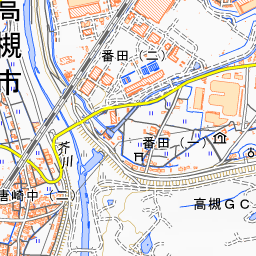
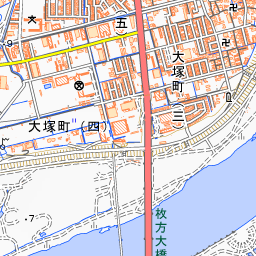
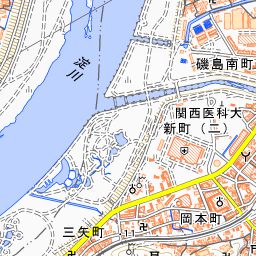
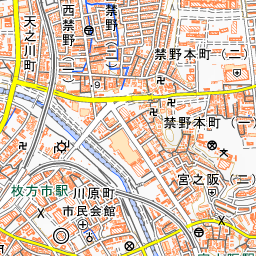
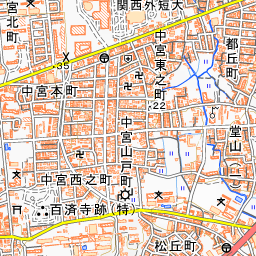
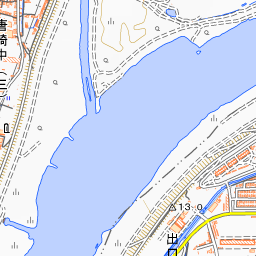
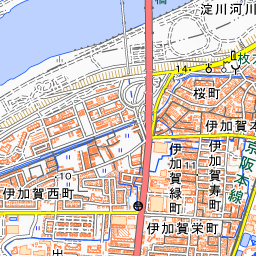
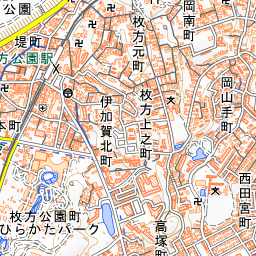


Spot location © OpenStreetMap contributors (ODbL)
Open in Google MapsGuides that include this spot (1)
Use asobot while you walk
- See where you are on the map and find spots nearby
- Listen to the guide's audio in course order, one after another (with subtitles)
- Walk to the next spot while following the map
Open on your phone
Scan to open this spot in asobot on your phone.