 ✨ AI Generated
Hiroshima City Asa Zoological Park
Japanese: 広島市安佐動物公園
Asakita Ward, Hiroshima
This information was written by AI and may contain mistakes. Please check official sources for opening hours, fees, and other details before you go.
Found a mistake? Let us know with “✏️ Something's wrong” on this spot's screen in asobot →
🎧 Audio guide(1:07)
In short
Hiroshima City Asa Zoological Park is a zoo in Asakita Ward, Hiroshima City, which opened in 1971. As a place where visitors can encounter precious wild animals from Japan and abroad amidst rich nature, it has long been cherished by many citizens.
- Baboon Mountain: A massive rock mountain located right in front of the entrance and exit gate. Inside the rock mountain, visitors can watch baboons eating and more through glass panels
- Japanese Giant Salamander Research: Research initiated by the first director of the zoo. In 1979, the zoo succeeded in breeding them in captivity, and its conservation research and breeding have earned global recognition
- Hana the Black Rhinoceros: The black rhinoceros that gave birth to her 10th calf in 1995, setting a world record at the time. A monument honoring this achievement has been erected at the entrance and exit gate
History and Highlights
Hiroshima City Asa Zoological Park is a zoo located in Asakita Ward in northwestern Hiroshima City, which opened on September 1, 1971. As a place where visitors can encounter precious wild animals from Japan and abroad amidst rich nature, and as a leisure spot for families to enjoy, it has long been cherished by many citizens.
Its origins date back to 1951, 20 years before the zoo opened. A 1-yen fundraising campaign was initiated by children who wished for the creation of a zoo, leading to the construction of a facility in a park in Motomachi to keep animals such as monkeys and small birds. That step eventually paved the way for the establishment of Hiroshima City Asa Zoological Park.
This zoological park has engaged in the breeding and ecological research of Japanese giant salamanders, black rhinoceroses, Grant's zebras, and other animals, achieving significant results in the protection and propagation of endangered species. It has also received high acclaim nationwide as a facility contributing to the preservation of species.
Viewing and Experience Highlights
- Japanese Giant Salamander Research: The study of Japanese giant salamanders was initiated by Dr. Ohara Jiro, the first director of the zoo. In 1979, the zoo succeeded in breeding them in captivity, and in 1998, a 17-year-old giant salamander that hatched in 1980 laid eggs, revealing for the first time the age at which they can reproduce. Its conservation research and breeding have earned global recognition.
- Hana the Black Rhinoceros: The black rhinoceros named Hana gave birth to her 10th calf in 1995, setting a world record at the time. A monument honoring this achievement has been erected at the entrance and exit gate.
- Baboon Mountain: Located right in front of the entrance and exit gate, Baboon Mountain is a massive artificial rock mountain built in 1997. Inside the rock mountain, visitors can watch baboons eating and going about their activities through glass panels.
Tips for Exploring
The park grounds are spread across sloping terrain. Hiroshima City is moving forward with a redevelopment of the entire park, with plans designed to ease the physical burden of moving around, such as paving paths with gentle inclines. Considering that you will walk on slopes, wearing comfortable walking shoes will ensure a pleasant visit. Strolling through while reflecting on the history of the zoo's animal breeding and research will make the animals feel even closer to you.
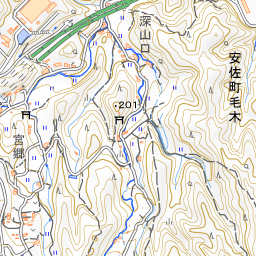
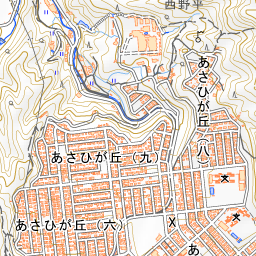
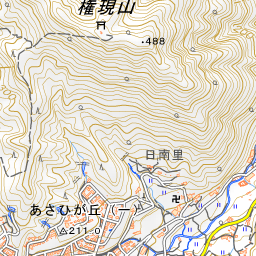
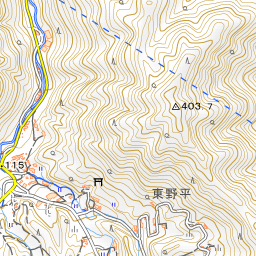
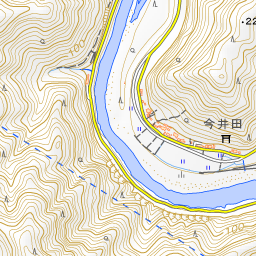
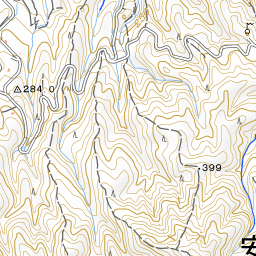
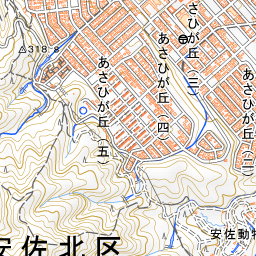
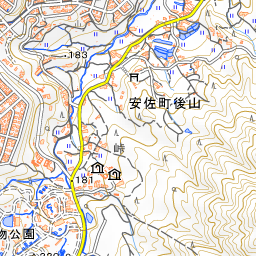
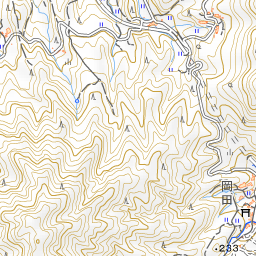
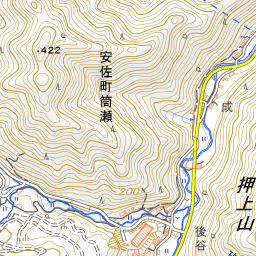
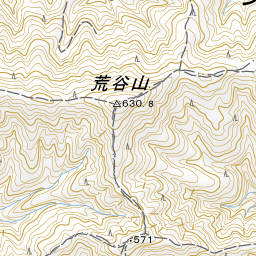
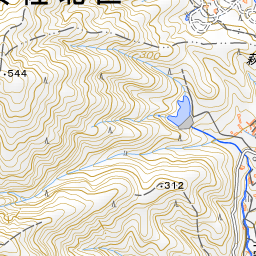
Spot location © OpenStreetMap contributors (ODbL)
Open in Google MapsUse asobot while you walk
- See where you are on the map and find spots nearby
- Listen to the guide's audio in course order, one after another (with subtitles)
- Walk to the next spot while following the map
Open on your phone
Scan to open this spot in asobot on your phone.