 ✨ AI Generated
Iwashimizu Hachimangu Shrine
Japanese: 石清水八幡宮
Yawata, Kyoto
This information was written by AI and may contain mistakes. Please check official sources for opening hours, fees, and other details before you go.
Found a mistake? Let us know with “✏️ Something's wrong” on this spot's screen in asobot →
🎧 Audio guide(1:10)
In short
One of Japan's three great Hachimangu shrines, enshrined atop Mt. Otokoyama. It began in 859, when the monk Gyokyo enshrined the divine spirit of Hachiman Okami on Mt. Otokoyama. Revered by the imperial court as a shrine guarding the capital's urakimon, it was called, along with Ise Jingu, one of the "Two Ancestral Mausoleums" (Nisho Sobyo).
- The National Treasure Main Shrine: The shrine buildings were rebuilt in 1634, and the main sanctuary, in the hachiman-zukuri style, is the oldest and largest extant structure of this style. In 2016, ten buildings of the main shrine, including the main sanctuary, the tower gate, and the mizugaki (sacred fence), were designated as National Treasures
- Richly Colored Carvings: The shrine buildings are adorned with more than 150 richly colored carvings, and the frog-leg strut (kaerumata) of the West Gate features a carving of the "Eye-Pierced Monkey," said by one account to be the work of master craftsman Hidari Jingoro
- Imperial Festival Iwashimizu Matsuri: Held every year on September 15, it is one of the three major imperial festivals performed according to ancient ritual. In the middle of the night, three go-horen (imperial palanquins), accompanied by about 500 attendants, descend from the mountain-summit main sanctuary to the tongu (temporary shrine) at the foot of the mountain
History and Highlights
Enshrined atop Mt. Otokoyama, Iwashimizu Hachimangu Shrine is counted as one of Japan's three great Hachimangu shrines. It enshrines three deities: Emperor Ojin, Hime Okami, and Empress Jingu. Its origins date back to 859, the first year of the Jogan era in the early Heian period. Gyokyo, a Buddhist monk from Daian-ji Temple in the southern capital of Nara, received an oracle from Hachiman Okami at Usa Hachimangu in Buzen Province declaring that the deity would move to the peak of Mt. Otokoyama near the capital to protect the nation, and he enshrined the divine spirit on Mt. Otokoyama.
Revered by the imperial court as a shrine guarding the capital's urakimon (unlucky southwestern direction), it received more than 240 visits by reigning and retired emperors, and along with Ise Jingu, it was called one of the "Two Ancestral Mausoleums" (Nisho Sobyo). The Minamoto clan also revered Hachiman Okami as their tutelary deity, and the shrine is renowned as the place where Minamoto no Yoshiie celebrated his coming-of-age ceremony and took the name "Hachiman Taro Yoshiie." Until the separation of Shinto and Buddhism in the Meiji period, deities and buddhas were venerated together, and many temples once lined the mountain.
The current main shrine buildings were rebuilt in 1634, the 11th year of Kan'ei, under Tokugawa Iemitsu, the third Tokugawa shogun. The main sanctuary, built in the hachiman-zukuri architectural style where an inner and outer sanctuary stand front and back, is the oldest and largest extant structure of this style. In 2016, ten buildings of the main shrine complex, including the main sanctuary, the tower gate, and the mizugaki (sacred fence), were designated as National Treasures.
Points for Viewing and Experiencing
- Richly Colored Carvings and the Golden Gutter: The shrine buildings are adorned with more than 150 richly colored carvings depicting plants, animals, and sacred mythical beasts, with the transom carvings on the mizugaki fence being a defining highlight. A carving of the "Eye-Pierced Monkey," said by one account to be the work of master craftsman Hidari Jingoro, is featured on the frog-leg strut (kaerumata) of the West Gate. Between the roofs of the inner and outer sanctuaries lies a "golden rain gutter" donated by Oda Nobunaga in 1580 (Tensho 8), though it is not usually open to the public.
- Nobunaga Wall and the Warding of Evil: The mud walls with tile roofs surrounding the shrine are commonly known as the "Nobunaga Wall." In addition, a stone wall has its northeastern corner cut away to ward off the kimon (demon's gate).
- Imperial Festival Iwashimizu Matsuri: Held annually on September 15, the Iwashimizu Matsuri is one of the three major imperial festivals performed according to ancient ritual, alongside the Kamo Matsuri (known as the Aoi Matsuri Festival) and the Kasuga Matsuri of Kasuga Taisha Shrine. In the middle of the night, three go-horen (imperial palanquins) descend from the mountain-summit main sanctuary to the tongu (temporary shrine) at the foot of the mountain, accompanied by an entourage of about 500 attendants.
Walking Tips
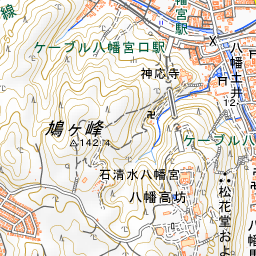
Get off at Iwashimizu-hachimangu Station on the Keihan Main Line and take the Sando Cable from Hachimangu-guchi Station to Hachimangu-Sanjo Station; from there, it is about a 5-minute walk to the shrine buildings. If you hike up from beside Kora Shrine at the foot of the mountain via either the Omotesando (front approach) or Urasando (rear approach), it takes about 20 minutes to the main sanctuary. Near the San-no-Torii (third gate) on the Omotesando stands the Edison Memorial Monument, and the Otokoyama Observation Deck is located near the mountain-summit station. A well-known local specialty at the shrine gates is Hashiriimochi rice cakes.
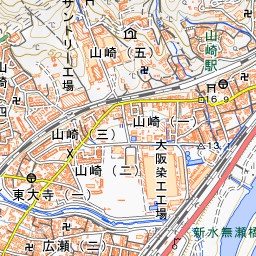
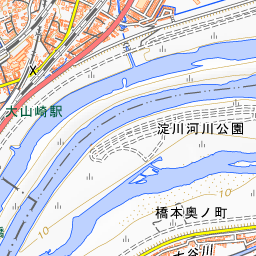
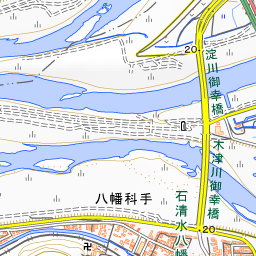
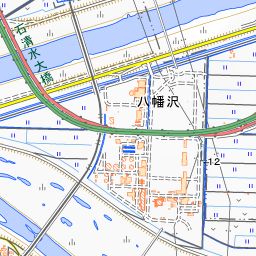
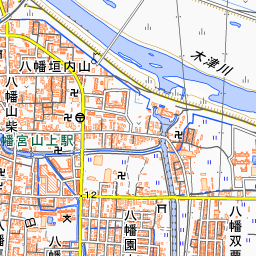
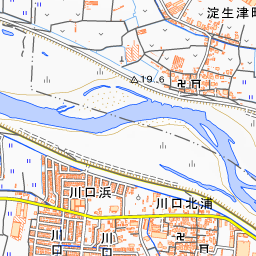

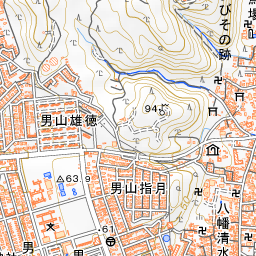
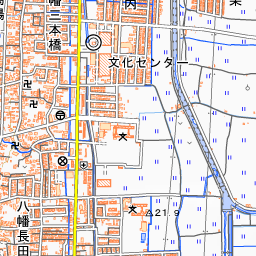
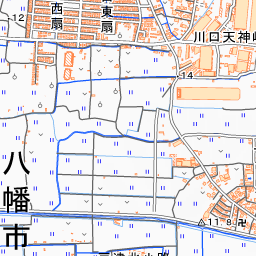
Spot location © OpenStreetMap contributors (ODbL)
Open in Google MapsGuides that include this spot (1)
Use asobot while you walk
- See where you are on the map and find spots nearby
- Listen to the guide's audio in course order, one after another (with subtitles)
- Walk to the next spot while following the map
Open on your phone
Scan to open this spot in asobot on your phone.