 ✨ AI Generated
Kabukiza Theatre
Japanese: 歌舞伎座
Chuo City, Tokyo
This information was written by AI and may contain mistakes. Please check official sources for opening hours, fees, and other details before you go.
Found a mistake? Let us know with “✏️ Something's wrong” on this spot's screen in asobot →
🎧 Audio guide(1:01)
In short
Kabukiza Theatre is a kabuki theatre located in Ginza. Kabuki is performed here throughout the year, and it is literally referred to as the head temple of kabuki. The original theatre opened in 1889, and after repeatedly being rebuilt due to fires and war damage, the current building is the fifth generation, which opened in 2013.
- Inherited Exterior: The fifth-generation theatre recreates the long-beloved exterior of the fourth generation as closely as possible.
- Rooftop Garden and Goemon Staircase: Descending the stairs from the garden built atop the theatre's roof reveals tiles lining the roof shaped like the theatre crest, the "Hoo-maru" (phoenix crest).
- Kobikicho Square: Located on the second basement floor, you can purchase kabuki-related merchandise and souvenirs in this plaza even without watching a performance.
History and Highlights
Kabukiza Theatre is a kabuki theatre located in Ginza. Kabuki is performed here throughout the year, and it is literally referred to as the head temple of kabuki.
The original Kabukiza Theatre was built aiming to be Japan's greatest theatre by Fukuchi Genichiro, an enthusiastic proponent of the theatrical reform movement, and opened on November 21, 1889. The exterior was Western-style, while the interior was built of Japanese cypress (hinoki). The "Hoo-maru" theatre crest still in use today dates back to this first-generation theatre.
The second-generation building was lost to a fire caused by an electrical leak in 1921, and the third-generation building was burned down in the air raids of May 1945, leaving only its outer shell. After the war, the fourth-generation theatre, renovated using parts of the third generation's foundation and side walls, was completed in December 1950. The fourth generation was listed as a Registered Tangible Cultural Property in 2002, but due to the building's deterioration, it closed after its final performances in April 2010.
The current fifth-generation theatre opened in April 2013. It was jointly designed by Mitsubishi Jisho Design and Kuma Kengo and Associates. Recreating the exterior of the fourth generation as much as possible, it reuses materials such as ornamental metal fittings from the gable roofs. It is also paired with the Kabukiza Tower, a high-rise office tower.
Viewing and Experience Highlights
- Hanamichi Visible from All Seats: There are 1,808 seats, excluding the single-act seats (hitomakumi-seki), and the hanamichi (runway stage) can be seen from every seat. For those who cannot spare much time or are not accustomed to theatre viewing, affordable single-act seats (hitomakumi-seki) are also available.
- Rooftop Garden and Goemon Staircase: On the 5th floor of Kabukiza Tower, there is a rooftop garden built on top of the theatre roof. Centered around a weeping cherry tree as its symbolic tree, it features stone lanterns and a tsukubai (water basin), both associated with Kawatake Mokuami, as well as monuments honoring theatrical predecessors. Descending the Goemon Staircase from the garden, you can see a row of tiles shaped like the "Hoo-maru" crest lining the roof. Among them is said to be just one "Gyaku-hoo" (reversed phoenix) whose face points in the opposite direction; finding it is said to bring happiness.
- Kabukiza Gallery and the 4th Floor Corridor: The Kabukiza Gallery on the 5th floor is a place where even people who have never seen kabuki can easily encounter the art form. The 4th Floor Corridor, reached by descending the Goemon Staircase, displays models of past generations of Kabukiza Theatre.
Tips for Walking Around
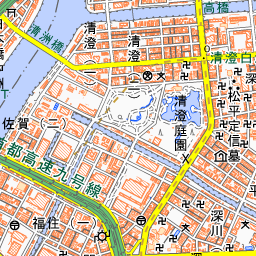
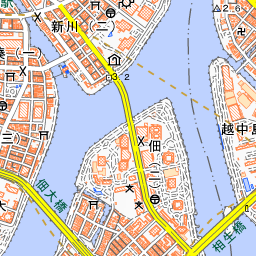
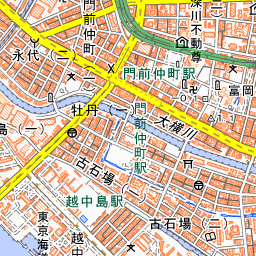
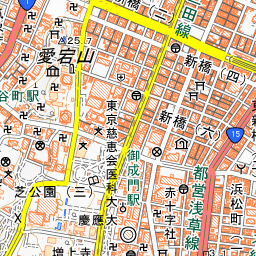
The theatre is directly connected to Higashi-ginza Station. At Kobikicho Square on the second basement floor, you can purchase kabuki merchandise and souvenirs without attending a performance. On the front right side of the theatre sits Kabuki Inari-jinja Shrine. Facing Harumi-dori Avenue, it can be visited even by people who are not attending a performance. The Ginza 4-chome intersection, where the clock tower of SEIKO HOUSE GINZA stands, is approximately 370 meters to the northwest, and Tsukiji Hongwanji Temple is approximately 500 meters to the southeast.
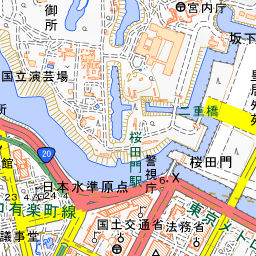
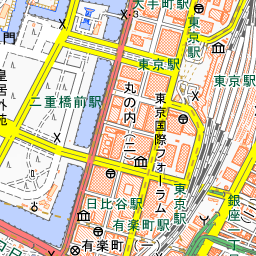
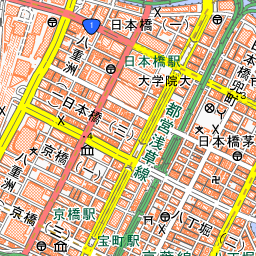
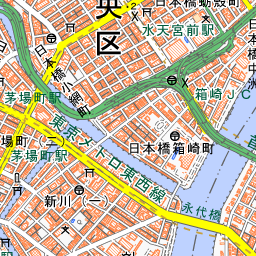



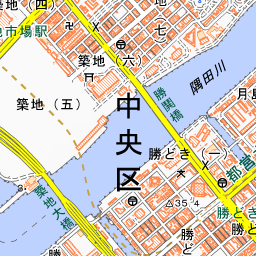
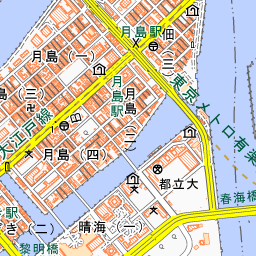
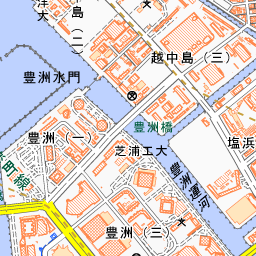
Spot location © OpenStreetMap contributors (ODbL)
Open in Google MapsGuides that include this spot (1)
Use asobot while you walk
- See where you are on the map and find spots nearby
- Listen to the guide's audio in course order, one after another (with subtitles)
- Walk to the next spot while following the map
Open on your phone
Scan to open this spot in asobot on your phone.