 ✨ AI Generated
Japan Folk Crafts Museum, Osaka
Japanese: 大阪日本民芸館
Suita, Osaka
This information was written by AI and may contain mistakes. Please check official sources for opening hours, fees, and other details before you go.
Found a mistake? Let us know with “✏️ Something's wrong” on this spot's screen in asobot →
🎧 Audio guide(1:09)
In short
A facility located inside Expo '70 Commemorative Park that introduces folk crafts (mingei) from Japan and abroad. It took over the building of the pavilion "Japan Folk Crafts Museum," presented at the 1970 Osaka Expo by the Japan Folk Crafts Museum in Komaba, Tokyo, and opened in 1971. It was established as a western base for the Mingei Movement advocated by Yanagi Muneyoshi; its first director was ceramic artist Hamada Shoji, and its second director was industrial designer Yanagi Sori, the eldest son of Yanagi Muneyoshi.
- Special Exhibitions Twice a Year: Special exhibitions introducing folk crafts from Japan and abroad, including ceramics, dyed and woven textiles, woodwork and lacquerware, and plaited items, are held twice a year in spring and autumn. Commemorative lectures are also held for each special exhibition
- Building with Corridors and Stone-Paved Courtyard: The exhibition rooms follow a corridor layout, allowing visitors to view the displays leisurely along a natural flow. Jars, urns, and basins from all over Japan are placed in the stone-paved courtyard surrounded by the building, serving as an outdoor exhibition space
- Shop as an Extension of the Galleries: The shop offers folk crafts from Japan and abroad as well as books related to folk art, along with products designed by Yanagi Sori. Entry to the shop is free
History and Highlights
Japan Folk Crafts Museum, Osaka is a facility located inside Expo '70 Commemorative Park that introduces folk crafts (mingei) from Japan and abroad. During the 1970 Japan World Exposition (Osaka Expo), the Japan Folk Crafts Museum in Komaba, Tokyo, presented the pavilion "Japan Folk Crafts Museum" to showcase the practical beauty of crafts cultivated within daily life. After the exposition ended, the pavilion building was retained, and the museum opened as the Japan Folk Crafts Museum, Osaka in 1971.
The Mingei Movement was advocated by religious philosopher Yanagi Muneyoshi, who, along with figures such as Hamada Shoji and Kawai Kanjiro, promoted the movement under the banner of "beauty in daily life." It turned attention to the beauty of everyday items used by ordinary people. Japan Folk Crafts Museum, Osaka was established as a western base for this Mingei Movement. Its first director was ceramic artist Hamada Shoji, and its second director was industrial designer Yanagi Sori, the eldest son of Yanagi Muneyoshi.
Viewing and Experience Highlights
- Special Exhibitions Twice a Year: Special exhibitions introducing folk crafts from Japan and abroad—including ceramics, dyed and woven textiles, woodwork and lacquerware, and plaited items (basketry)—are held twice a year in spring and autumn, centering on collections from the Japan Folk Crafts Museum, Osaka, the Japan Folk Crafts Museum in Komaba, Tokyo, and others. Commemorative lectures are also held for each special exhibition.
- Building with Corridors and Stone-Paved Courtyard: The reinforced concrete single-story building (partially two stories) extends across the entire triangular grounds. The exhibition rooms follow a corridor layout, allowing visitors to view the displays leisurely along a natural flow from Exhibition Room 1 to Exhibition Room 4. Jars, urns, and basins from all over Japan are placed in the stone-paved courtyard surrounded by the building, serving as an outdoor exhibition space.
- Shop as an Extension of the Galleries: Conceived as one of the exhibition spaces, the museum shop offers domestic and international folk crafts as well as books related to folk art. Products designed by Yanagi Sori are also available. Entry to the shop is free.
Tips for Visiting
It is about a 15-minute walk from Bampaku-kinen-koen Station or Koen-higashiguchi Station on the Osaka Monorail. If traveling by car, it is about a 5-minute walk from the Nihon Teien-mae Parking Lot in Expo '70 Commemorative Park. As there are periods for exhibition changes and seasonal closures in summer and winter, it is recommended to check the opening schedule before visiting.
The Japanese Garden lies just to the northwest, the National Museum of Ethnology is about 400 meters to the west, and the Tower of the Sun is about 340 meters to the south. Visiting these together allows you to thoroughly enjoy the cultural facilities of Expo '70 Commemorative Park.
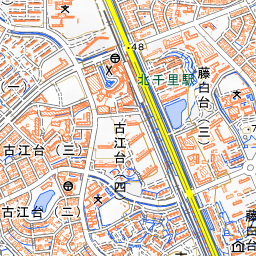
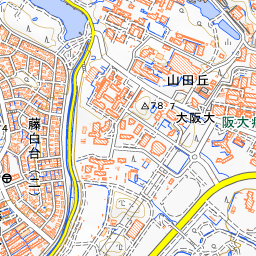
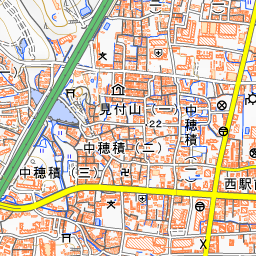
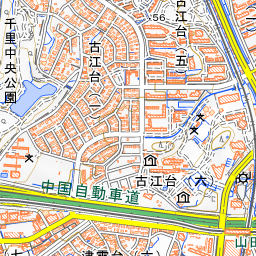
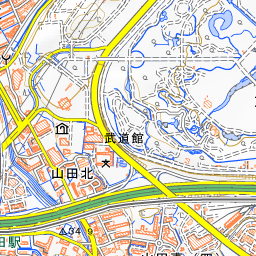
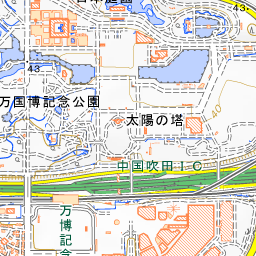
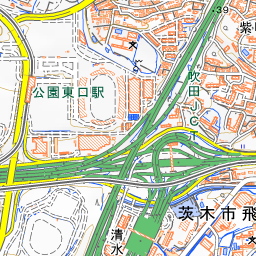
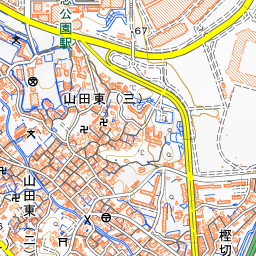
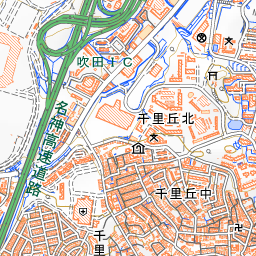
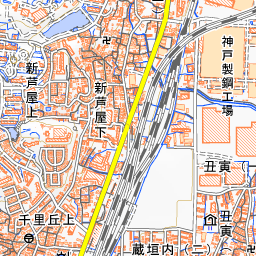
Spot location © OpenStreetMap contributors (ODbL)
Open in Google MapsUse asobot while you walk
- See where you are on the map and find spots nearby
- Listen to the guide's audio in course order, one after another (with subtitles)
- Walk to the next spot while following the map
Open on your phone
Scan to open this spot in asobot on your phone.