 ✨ AI Generated
The Museum of Oriental Ceramics, Osaka
Japanese: 大阪市立東洋陶磁美術館
Kita Ward, Osaka
This information was written by AI and may contain mistakes. Please check official sources for opening hours, fees, and other details before you go.
Found a mistake? Let us know with “✏️ Something's wrong” on this spot's screen in asobot →
🎧 Audio guide(1:15)
In short
A museum standing within Nakanoshima Park. It was established by the City of Osaka to commemorate the donation of the world-renowned "Ataka Collection" by the Sumitomo Group, and opened in November 1982. Since then, donations such as the Korean ceramics collection assembled by Dr. Rhee Byung-chang have followed, and it boasts world-class quality and quantity as an Oriental ceramics collection. It includes 2 National Treasures and 14 Important Cultural Properties, and reopened after renovation in 2024.
- Two National Treasures: The "Tea bowl, Oil spot Tenmoku," made at the Jian kiln during the Southern Song dynasty, and the "Bottle, celadon with iron brown spots," a work of the Ryusen kiln from the Yuan dynasty that was handed down through the Konoike family of Osaka from the Edo period. None of these works are on display at all times
- Korean Ceramics Collection: Dr. Rhee Byung-chang's collection boasts world-class quality and quantity as a private collection of Korean ceramics. It was donated between 1996 and 1998
- Innovations in Light and Display: The museum features the world's first natural-light exhibition room, which brings natural light from skylights into the display cases, allowing visitors to view the original colors and textures of the ceramics. On rotating pedestals that slowly turn the works, vessels can be appreciated from 360 degrees
History and Highlights
The Museum of Oriental Ceramics, Osaka is a museum located within Nakanoshima Park, an expanse of greenery and water in the heart of Osaka. It was established by the City of Osaka to commemorate the donation of the world-renowned "Ataka Collection" by the Sumitomo Group and opened in November 1982. The Ataka Collection is an Oriental ceramics collection centering on Chinese and Korean ceramics assembled by the former Ataka & Co., Ltd. Following the de facto collapse of Ataka & Co., it was donated to the City of Osaka by 21 companies of the Sumitomo Group led by Sumitomo Bank.
Since then, the museum's holdings have expanded further through donations such as the Korean ceramics collection assembled in Japan by Dr. Rhee Byung-chang, a Korean resident in Japan. Today, it boasts world-class quality and quantity as an Oriental ceramics collection, including 2 National Treasures and 14 Important Cultural Properties. In 2023, a glass-walled entrance hall was completed, and the museum reopened after renovation in 2024.
Viewing and Experience Highlights
- Two National Treasures: Representing the Ataka Collection are two National Treasures. The "Tea bowl, Oil spot Tenmoku" is a Tenmoku tea bowl made at the Jian kiln during the Southern Song dynasty. The "Bottle, celadon with iron brown spots" was produced at the Ryusen kiln during the Yuan dynasty; it is a "tobiseiji" vase created by scattering iron spots on the surface and firing it with a celadon glaze applied on top. Among the tobiseiji ceramics especially favored by Japanese tea masters, this masterpiece was handed down through the Konoike family of Osaka from the Edo period. In 2025, a "Bottle, celadon with iron brown spots" designated as an Important Cultural Property, whose whereabouts had long been unknown, was also donated. None of these works are on display at all times.
- Korean Ceramics Collection: Dr. Rhee Byung-chang's collection boasts world-class quality and quantity as a private collection of Korean ceramics. Born of the doctor's wish to share Korean ceramic culture with the world, it was donated between 1996 and 1998.
- Innovations in Light and Display: The museum features the world's first natural-light exhibition room, which brings natural light from skylights directly into the display cases, allowing visitors to view the original colors and textures of the ceramics. Other display cases also use lighting close to natural light, and rotating pedestals that slowly turn the works allow vessels to be appreciated from 360 degrees.
Strolling Tips
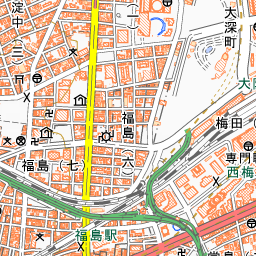
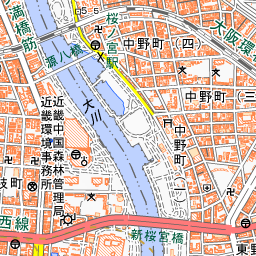
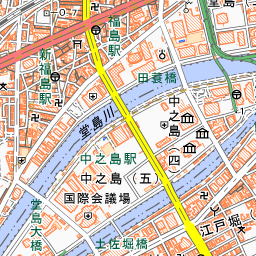
The museum is located just outside Exit 1 of Naniwabashi Station on the Keihan Nakanoshima Line, on the east side of Osaka City Central Public Hall. It is about 400 meters from Yodoyabashi Station and Kitahama Station. The square building clad in unglazed ceramic tiles harmonizes with the surrounding historic structures. Osaka City Central Public Hall is located about 140 meters to the west, and Osaka Prefectural Nakanoshima Library is about 210 meters to the west, allowing visitors to tour them in combination with a stroll through Nakanoshima Park.


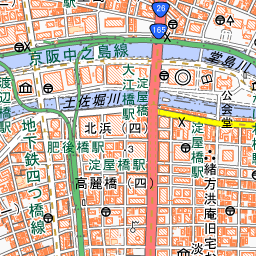
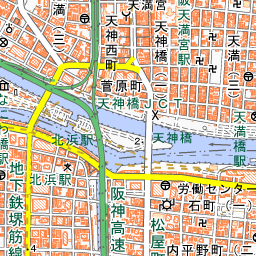

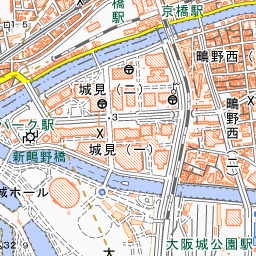
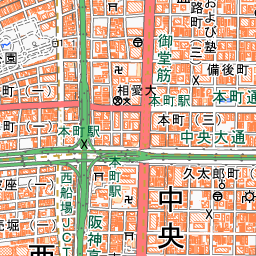
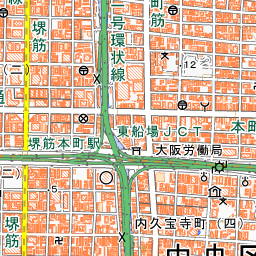
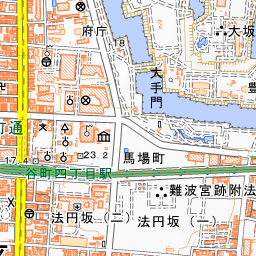
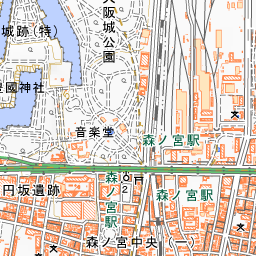
Spot location © OpenStreetMap contributors (ODbL)
Open in Google MapsGuides that include this spot (1)
Use asobot while you walk
- See where you are on the map and find spots nearby
- Listen to the guide's audio in course order, one after another (with subtitles)
- Walk to the next spot while following the map
Open on your phone
Scan to open this spot in asobot on your phone.