 ✨ AI Generated
Kazuma
Japanese: 数馬
Hinohara Village, Tokyo
This information was written by AI and may contain mistakes. Please check official sources for opening hours, fees, and other details before you go.
Found a mistake? Let us know with “✏️ Something's wrong” on this spot's screen in asobot →
🎧 Audio guide(1:05)
In short
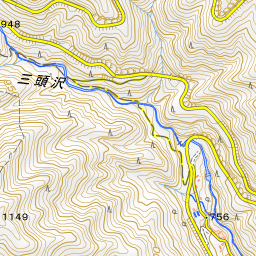
Kazuma is the deepest mountain settlement in Hinohara Village. Ryokan (traditional inns) and minshuku (guesthouses) gather along the upper reaches of the Minami-Aki River, and the area is known for preserving old private houses built in the kabuto-zukuri (samurai helmet-shaped) architectural style, which originated for sericulture. Due to its high elevation, it is more comfortable to spend time here in summer than in central Tokyo.
- **Kabuto-zukuri Old Folk Houses**: These are traditional houses whose roofs resemble a samurai helmet when viewed from below. There is also an inn, built in the Edo period, that is listed as a national Registered Tangible Cultural Property.
- Kuzuryu Falls: A waterfall that came to be called by this name because worshippers purified themselves by standing under its cascading waters.
- Hot Spring in the Mountains: There is a day-use hot spring called "Kazuma no Yu," where visitors can stop by after a mountain hike.
History and Highlights
Kazuma is the deepest mountain settlement in Hinohara Village. It is located on the upper reaches of the Minami-Aki River and is home to a cluster of ryokan and minshuku. Because of its high elevation, it is more comfortable in summer than in central Tokyo. The place name is said to originate from Nakamura Kazuma, who fought on the side of the Southern Court during the Nanboku-cho period and, after being defeated, fled to this area.
Many of the traditional houses remaining in Kazuma feature an old-style architecture known as kabuto-zukuri. This style was developed for sericulture (raising silkworms). It is said to have received this name because the roof looks like a samurai helmet when viewed from below. Another characteristic is that they are built by interlocking timber with almost no nails used. These houses typically have up to four stories, and it is said that silkworms were raised on the top floor.
"Janoyu Onsen Takaraso," an old folk house inn in the settlement, is a kabuto-zukuri lodging. The building, constructed in the Edo period, is a national Registered Tangible Cultural Property. The surface of its thatched roof is layered with cypress bark (hiwada), and the eastern gable features a distinctive shape known as "Fuji-style double kabuto-zukuri." It is a rare large-scale private dwelling where the transition of the local sericulture industry can be seen through modifications to the room layouts and roof framework. The name "Janoyu" (Snake's Bath) is said to derive from a legend that an injured giant snake healed its wounds in this hot spring.
Tips for Viewing and Experiencing
- Admire the kabuto-zukuri roofs: As you walk through the settlement, old private houses appear here and there. Look up from below at the massive roof shapes reminiscent of samurai helmets. In addition to overnight stays, Takaraso offers day-use bathing.
- Visit Kuzuryu Falls: This waterfall was originally called "Yokomichi no Taki" because a main road passed beside it. After Kuzuryu Shrine was established here as a branch in 1545, worshippers began to purify themselves under the falls, leading it to be called Kuzuryu Falls.
- Warm up in a hot spring: "Hinohara Onsen Center Kazuma no Yu" is a day-use hot spring facility set in the forest. Its water is classified as an alkaline simple hot spring, and it features open-air baths and saunas. It can also be used just for dining.
Walking Tips
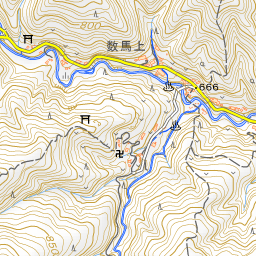
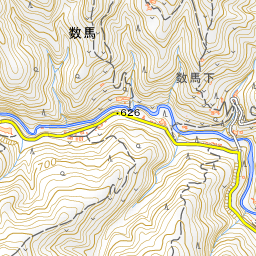
The settlement has a "Kazuma" bus stop, and Takaraso is a 1-minute walk from the stop. To reach Kuzuryu Falls, head upstream from the bus stop and turn right past Kuzuryu Shrine. Descend to the river after crossing Kuzuryu Bridge. It takes about 10 minutes on foot from the bus stop. Kazuma no Yu is a 1-minute walk from the "Onsen Center" bus stop. By car, it takes about 45 minutes from JR Musashi-Itsukaichi Station along the Aki River and Minami-Aki River. Resting your body in the hot spring after mountain climbing is also a pleasant option. About 3.2 km to the west-northwest lies Tokyo Metropolitan Hinohara Tomin-no-Mori.

Use asobot while you walk
- See where you are on the map and find spots nearby
- Listen to the guide's audio in course order, one after another (with subtitles)
- Walk to the next spot while following the map
Open on your phone
Scan to open this spot in asobot on your phone.