 ✨ AI Generated
Tokyo Racecourse
Japanese: 東京競馬場
Fuchu, Tokyo
This information was written by AI and may contain mistakes. Please check official sources for opening hours, fees, and other details before you go.
Found a mistake? Let us know with “✏️ Something's wrong” on this spot's screen in asobot →
🎧 Audio guide(0:58)
In short
Tokyo Racecourse is a JRA racecourse located in Fuchu City, Tokyo, and is the stage for many major races, including the Japanese Derby and the Japan Cup. The course runs counterclockwise, and the turf homestretch is 525.9 meters long. There is an uphill slope on the straight, and after cresting it, horses still run 300 meters to the finish line.
- Uphill on the Straight: An uphill slope with an elevation gain of 2 meters continues from the 460-meter mark to the 300-meter mark before the finish line.
- Paddock: You can observe the racehorses up close before their races.
- Multi-Screen Turf Vision: Located inside the track, this video screen is 11.2 meters high and 66.4 meters wide, making it one of the largest in the world.
History and Highlights
Tokyo Racecourse is a JRA racecourse located in Fuchu City, Tokyo. Numerous major races, including the Japanese Derby and the Japan Cup, are held here.
Its predecessor was Meguro Racecourse, which opened in 1907 (Meiji 40). Due to factors such as encroaching residential development, it was relocated to Fuchu in 1933 (Showa 8) and became Tokyo Racecourse.
The course runs counterclockwise. One lap around the turf Course A is 2,083.1 meters, the homestretch is 525.9 meters long, and the track is up to 41 meters wide.
On the straight, between 460 meters and 300 meters from the finish, there is an uphill slope with an elevation gain of 2 meters. The incline is gentler compared to Nakayama or Hanshin racecourses. Even so, after cresting the slope, horses must still run 300 meters to the finish line. Combined with the gentle curve radius, it is said to be a course where the true abilities of the horses are easily reflected.
Facing the course in front of the finish line stands the Fuji View Stand, which has one basement floor and nine floors above ground. True to its name, you can view Mount Fuji from it on clear days.
Viewing and Experience Points
- Paddock: You can observe racehorses up close before the races. Check their demeanor and perspiration carefully to help with your race predictions.
- Horse Preview: Located on the 1st floor of the Fuji View Stand, this area is available only on Tokyo race days. You can see the jockeys and horses up close as they head out to the race and return from it.
- Multi-Screen Turf Vision: A video screen located inside the track, measuring 11.2 meters high and 66.4 meters wide. It is among the largest in the world.
Tips for Exploring
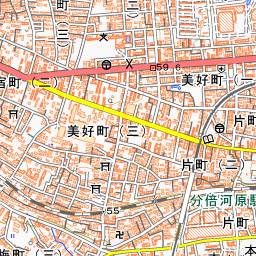
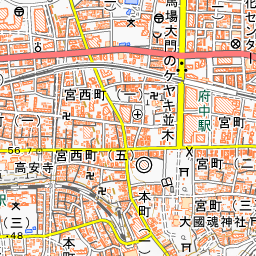
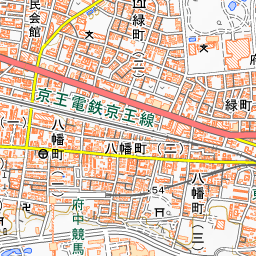
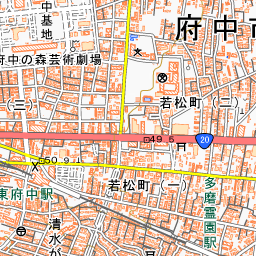
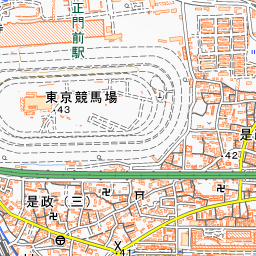
From Fuchukeiba-seimon-mae Station on the Keio Line, it is about a 2-minute walk to the main gate via a dedicated pedestrian walkway. From Fuchu-Hommachi Station on the JR Musashino and Nambu lines, it is about a 5-minute walk to the west gate from the temporary ticket gates via a dedicated pedestrian walkway.
Between races, try taking a stroll to the Japanese garden behind the paddock. It is usually a tranquil garden, but during the cherry blossom season, it becomes lively with hanami (cherry blossom viewing) visitors. On the grounds is also the JRA Racing Museum, which introduces the history of horse racing from its origins to its spread and development in Japan. If you are with small children, the Kids Garden inside the infield offers play equipment such as a bouncy dome.
For a longer walk, Okunitama-jinja Shrine is about 720 meters to the northwest, and Togo-ji Temple is about 1.3 kilometers to the east.
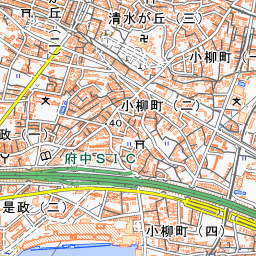
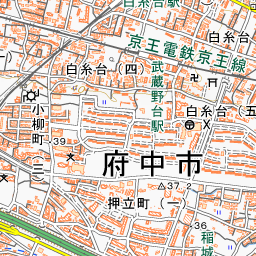
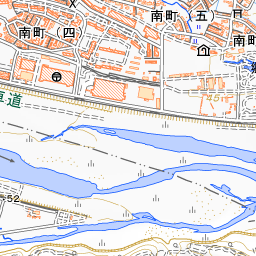

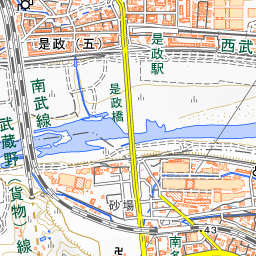
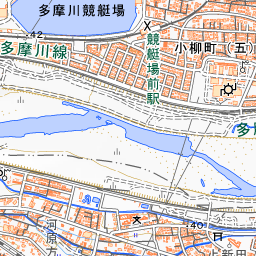
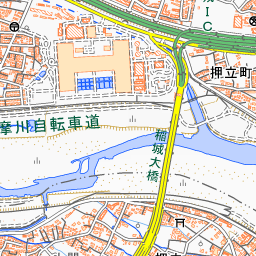
Spot location © OpenStreetMap contributors (ODbL)
Open in Google MapsUse asobot while you walk
- See where you are on the map and find spots nearby
- Listen to the guide's audio in course order, one after another (with subtitles)
- Walk to the next spot while following the map
Open on your phone
Scan to open this spot in asobot on your phone.