
Shohaku Art Museum
Japanese: 松伯美術館
Nara City, Nara
This information was written by AI and may contain mistakes. Please check official sources for opening hours, fees, and other details before you go.
Found a mistake? Let us know with “✏️ Something's wrong” on this spot's screen in asobot →
🎧 Audio guide(1:05)
In short
Shohaku Art Museum is an art museum located along the shores of Obuchi Pond in Tomigaoka, Nara City. It collects and showcases the works, preliminary sketches, and life drawings across three generations of Japanese-style painters: Uemura Shoen, Shoko, and Atsushi. The museum opened in March 1994 on the former residential estate of Saeki Isamu, the honorary chairman of Kintetsu.
- Three Generations of Japanese-Style Painting: Trace the works of Shoen, known for her dignified portraits of women and the first woman to receive the Order of Culture, alongside the bird-and-flower paintings by Shoko and Atsushi.
- Origins of the Name: "Sho" comes from the names of Shoen and Shoko as well as the pine trees in the garden; "Haku" comes from gahaku (master painter), Mr. Saeki's surname, and other connections.
- Garden with a Pond and Pine Forest: Follow the walking path up to the elevated ground to overlook the panorama of Obuchi Pond and the former Saeki residence designed by Murano Togo.
History and Highlights
Shohaku Art Museum stands on the shore of Obuchi Pond in a residential corner of Tomigaoka, Nara City. It preserves and exhibits works, preliminary sketches, and life drawings spanning three generations—Uemura Shoen, Shoko, and Atsushi—introducing their artistic careers through its displays.
The museum opened on March 22, 1994. It was established with funding from Kinki Nippon Railway (Kintetsu) following the donation of works by masters Shoko (Shoen's son) and Atsushi (Shoen's grandson). At the time of opening, 92 items, including sketches and drawings, were donated. The building was constructed on the grounds of the former residence of Saeki Isamu, honorary chairman of Kintetsu.
The museum's name holds a story. "Sho" was taken from the names of masters Shoen and Shoko, as well as the more than one hundred pine trees (matsu) planted in the estate's garden. "Haku" derives from the haku in gahaku (master artist) and in the Saeki family name, or from the name of the estate's tea ceremony house, "Hakusentei." The pronunciation "Shohaku" was also chosen to evoke the evergreen pine and cypress (shohaku / tokiwagi).
Adjacent to the museum remains the former Saeki residence. Designed by Murano Togo, one of the leading architects of the Showa era, this modern Japanese-style residence incorporating sukiya-style architectural methods was built in 1965.
Viewing and Experience Points
- Uemura Shoen: Born in Kyoto, Shoen depicted dignified portraits of women inspired by Kyoto customs, history, and Noh drama tales. In 1948, she became the first woman to receive the Order of Culture. Works featured by the museum include Hanagatami and Yokihi (Yang Guifei).
- Uemura Shoko and Uemura Atsushi: Shoko was Shoen's son, known for bird-and-flower paintings incorporating modern compositional forms and a sense of color; he received the Order of Culture in 1984. Atsushi was Shoko's eldest son, who continuously pursued new expressions in bird-and-flower painting and received the Order of Culture in 2022. All three generations have received this prestigious honor.
- Garden and the Former Saeki Residence: Upon entering the museum, visitors can stroll through the estate's garden, which presents different aspects throughout the four seasons. The walking path, named "Shoyo no Komichi," leads to higher ground, where the summit commands a view of Obuchi Pond and the former Saeki residence. While the former Saeki residence is not usually open to the general public, group viewings are available with an advance reservation.
Travel Tips
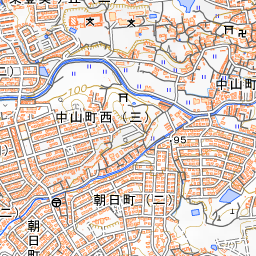
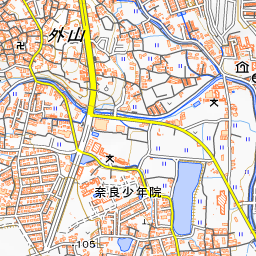
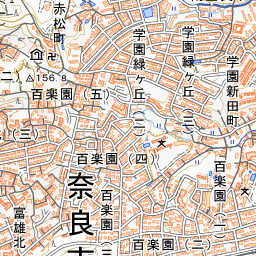
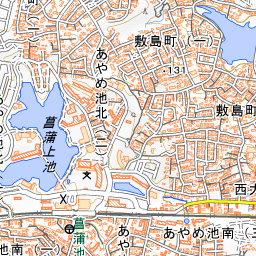
From the North Exit bus terminal of Gakuen-mae Station on the Kintetsu Nara Line, take a bus for about 5 minutes and get off at "Obuchibashi (Shohaku Art Museum-mae)." Crossing the Obuchi Bridge beyond the traffic light, the building on the lakeside to your right is the museum. Because the parking capacity is limited, the museum recommends visiting by train, bus, or taxi. After viewing the exhibitions, walk up the garden trail to view the pond, pine grove, and the former Saeki residence from above. The Museum Yamato Bunkakan, also established by Kintetsu, is located about 1.9 kilometers to the southeast. You can easily visit both in one trip on either side of Gakuen-mae Station.
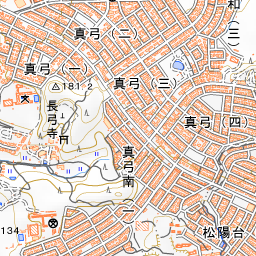
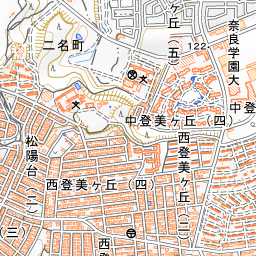
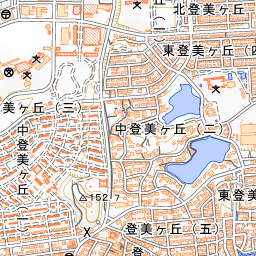
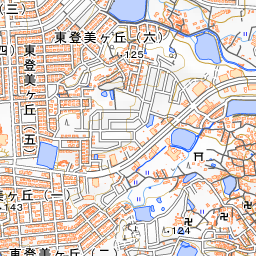
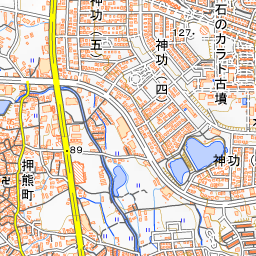
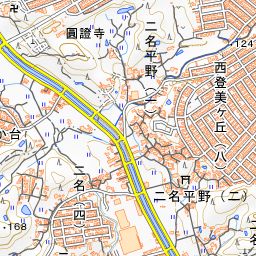
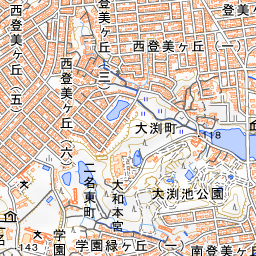
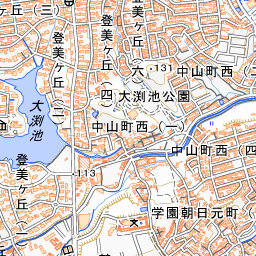


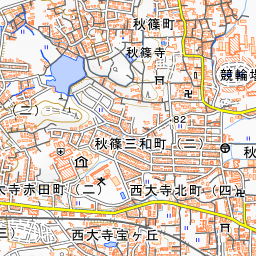
Spot location © OpenStreetMap contributors (ODbL)
Open in Google MapsUse asobot while you walk
- See where you are on the map and find spots nearby
- Listen to the guide's audio in course order, one after another (with subtitles)
- Walk to the next spot while following the map
Open on your phone
Scan to open this spot in asobot on your phone.