 ✨ AI Generated
Tokyo Metropolitan Medicinal Plant Garden
Japanese: 東京都薬用植物園
Kodaira, Tokyo
This information was written by AI and may contain mistakes. Please check official sources for opening hours, fees, and other details before you go.
Found a mistake? Let us know with “✏️ Something's wrong” on this spot's screen in asobot →
🎧 Audio guide(1:05)
In short
Established in 1946, Tokyo Metropolitan Medicinal Plant Garden is a botanical garden that collects and cultivates medicinal plants. Opium poppies and cannabis, which by law may only be grown by licensed growers, are also grown behind double fences. The garden is open to the public, allowing visitors to observe medicinal herbs and poisonous plants from around the world. It is a 2-minute walk from Higashi-Yamatoshi Station on the Seibu Haijima Line.
- Poppy and Cannabis Testing Area: Poppies and cannabis are cultivated inside double fences.
- Greenhouse and Cold Room: Planted with tropical and subtropical medicinal plants, as well as medicinal plants that prefer cold regions.
- Poisonous Plant Area: Planted with various poisonous plants, such as red spider lilies and lily of the valley.
History and Highlights
Tokyo Metropolitan Medicinal Plant Garden is a botanical garden located in Nakajima-cho, Kodaira City, that collects and cultivates medicinal plants. Since its establishment in 1946 as part of pharmaceutical administration, it has gathered and raised medicinal plants. Today, it mainly conducts test inspections and research to identify plants for the guidance and control of dangerous drugs and health foods. Since April 2007, garden management has been entrusted to the Tokyo Crude Drugs Association.
Open to the public, the grounds welcome anyone interested in herbs, plants, and health to observe medicinal and poisonous plants from around the world. According to the garden's guide, morphine, a painkiller, is made from beautiful poppies, and Tamiflu, known as an influenza treatment, is synthesized from components of the star anise fruit.
The grounds are divided into 12 plant areas, woodlands, and cultivation testing areas. The Chinese herbal medicine raw plant area contains plants that serve as the base for crude drugs used in Kampo prescriptions, such as peonies and Mishima saiko (Bupleurum falcatum). The poisonous plant area features plants often seen in hills and fields like red spider lilies and Japanese belladonna, as well as plants grown for ornamental purposes such as Amur adonis and lily of the valley. There is also an exhibition room in the Pharmaceutical Museum.
Viewing and Experience Highlights
- Poppy and Cannabis Testing Area: By law, poppies and cannabis may only be grown by licensed growers. Here, they are cultivated inside double fences. The poppy blooming season is in May, during which special lectures are held for narcotics control officers, pharmacy students, and others. In 2024 and 2025, the outer fence was opened during the flowering period, and explanatory panels were displayed.
- Greenhouse and Cold Room: The greenhouse features tropical and subtropical medicinal and useful plants such as aloe and cloves. The cold room houses medicinal plants that thrive in colder climates, such as rhubarb.
- Coppice Woodland: Gold orchid (Cephalanthera falcata) and other species grow wild in a coppice forest of konara oak, sawtooth oak, Japanese snowbell, and Japanese red pine. Katakuri (Asian fawnlily) and coptis (Coptis japonica) are also planted on the forest floor.
Tips for Exploring
The garden is a 2-minute walk from Higashi-Yamatoshi Station on the Seibu Haijima Line. From the North Exit of JR Tachikawa Station, take the Seibu Bus bound for Nangai and get off at "Toritsu Yakuyo Shokubutsuen-mae." According to the garden's floral calendar, Coptis japonica blooms from late February to mid-March, katakuri from late March to early April, peonies from mid- to late April, and red spider lilies from mid-September to early October. Some flowers may not be visible depending on the year. Flowering information is provided in the "Seasonal Flowers" section of the Tokyo Crude Drugs Association website. Wheelchairs can access paths along the flowerbeds and inside the greenhouse. Picking fruits or plants is prohibited.


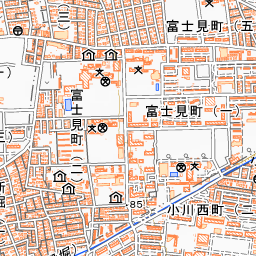
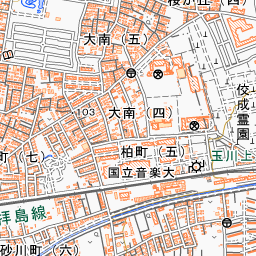
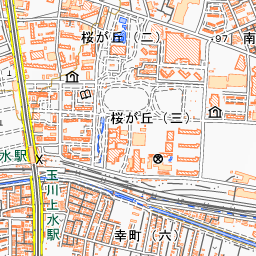
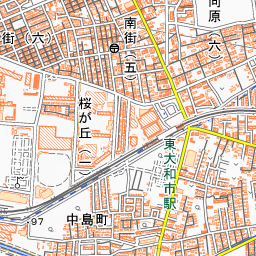
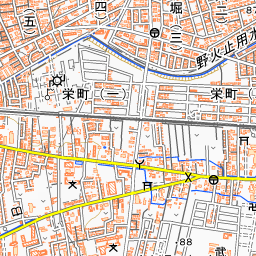
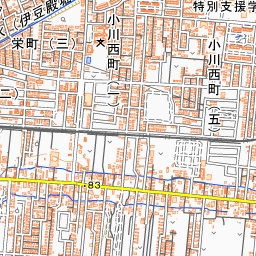
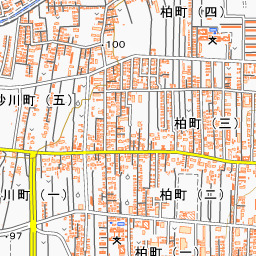

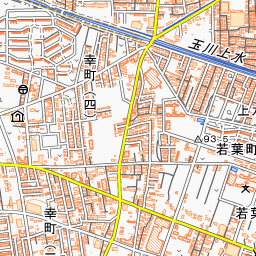
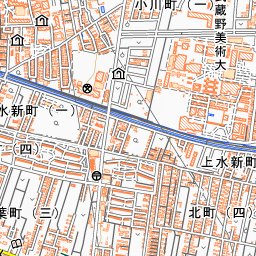
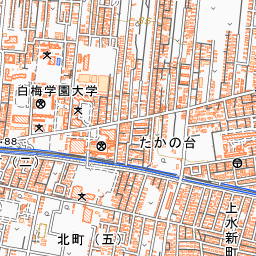
Spot location © OpenStreetMap contributors (ODbL)
Open in Google MapsUse asobot while you walk
- See where you are on the map and find spots nearby
- Listen to the guide's audio in course order, one after another (with subtitles)
- Walk to the next spot while following the map
Open on your phone
Scan to open this spot in asobot on your phone.