 ✨ AI Generated
Daikanyama
Japanese: 代官山
Shibuya City, Tokyo
This information was written by AI and may contain mistakes. Please check official sources for opening hours, fees, and other details before you go.
Found a mistake? Let us know with “✏️ Something's wrong” on this spot's screen in asobot →
🎧 Audio guide(1:03)
In short
Daikanyama is a neighborhood that spreads out around Daikanyama Station on the Tokyu Toyoko Line. Although surrounded by Shibuya, Nakameguro, and Ebisu, it has a very calm atmosphere and is known for its many curated select shops, delis, and cafes.
- Hillside Terrace: A complex along Kyu-Yamate-dori Street comprising residences, shops, offices, and more, built in phases over about 30 years and designed by architect Maki Fumihiko.
- Green Kyu-Yamate-dori Street: A tranquil area filled with beautiful greenery surrounds Kyu-Yamate-dori Street, home to Hillside Terrace and Daikanyama T-SITE.
- Strolling the Backstreets: The backstreets are lined with unique stores, including boutiques selling original fashion items, select shops, and accessory shops.
History and Highlights
Daikanyama is a district centered around Daikanyama Station on the Tokyu Toyoko Line. The Tokyo-Yokohama Railway, now the Tokyu Toyoko Line, opened here in 1927. From around that time, Daikanyama was an upscale residential district of estates, and it remained a quiet residential area for a long time after the war.
The turning point for the neighborhood was the completion of Hillside Terrace in 1969. Asakura Real Estate, run by the prominent local Asakura family, commissioned architect Maki Fumihiko to design the project, which began with two three-story buildings. Subsequent buildings were constructed in stages, and up until Hillside West in 1998, residences, shops, and offices expanded along Kyu-Yamate-dori Street over about 30 years. Before long, people in fields such as fashion, design, and architecture began to gather here, and Daikanyama became widely recognized as a stylish, sophisticated neighborhood for adults.
In 2000, the prewar Dojunkai Apartments in front of the station were redeveloped into Daikanyama Address, a mixed-use complex. Today, Daikanyama is home to many cozy, curated select shops, as well as numerous delis and cafes where visitors can enjoy meals or brunch. Even though it is flanked by Shibuya, Nakameguro, and Ebisu, it maintains a remarkably peaceful atmosphere.
Viewing and Experience Points
- Hillside Terrace and Sarugakuzuka: Hillside Terrace was designed to preserve the existing trees and topography as much as possible. Sarugakuzuka, located in front of Building E, is a kofun (ancient burial mound) designated as a ward cultural property, and Sarugaku Shrine is enshrined atop the mound.
- Streetscape of Kyu-Yamate-dori Street: Next to Hillside Terrace stands the Royal Danish Embassy, completed in 1979. Maki Fumihiko designed this building as well, taking into consideration the visual continuity of the streetscape. Daikanyama T-SITE, anchored by a large bookstore, is also located along this same street.
- Walking the Backstreets and Former Railway Tracks: The backstreets are lined with distinctive shops. Located on the north side of the station, Log Road Daikanyama is a site built on former Tokyu Toyoko Line tracks, dotted with cottage-like buildings that make abundant use of wood.
Tips for Exploring
While the Tokyu Toyoko Line is the only train line serving Daikanyama Station, the neighborhood is just about a 15-minute walk from Shibuya and roughly 10 minutes from Ebisu. Buying food at Daikanyama Address Dixsept, which connects directly to the station via a pedestrian bridge, and enjoying a picnic at Saigoyama Park is another experience unique to Daikanyama. Saigoyama Park is a hill located about 720 meters west-northwest, known for its scenic views, and it becomes particularly lively with many visitors during the cherry blossom season. About 230 meters west-southwest, behind Hillside Terrace, lies the Former Asakura Family Residence, complete with a Japanese garden and built in 1919. About 680 meters to the east is Ebisu Yokocho.

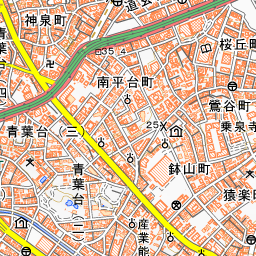
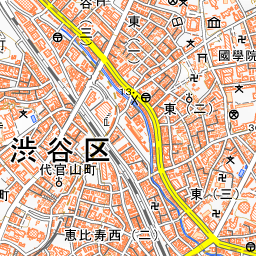
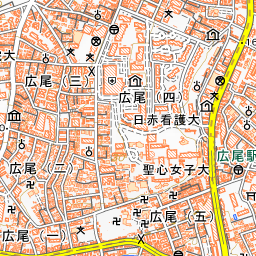
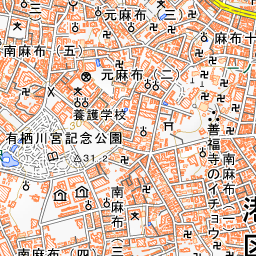
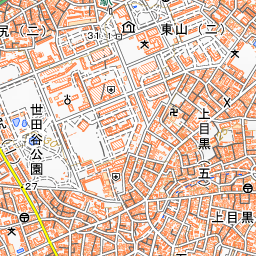

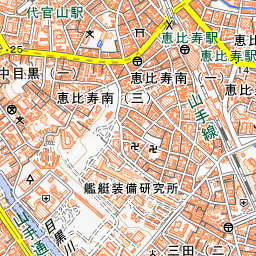
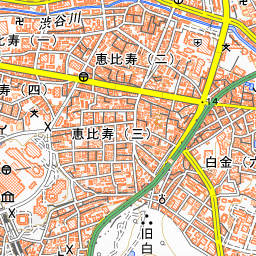

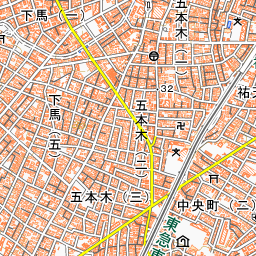
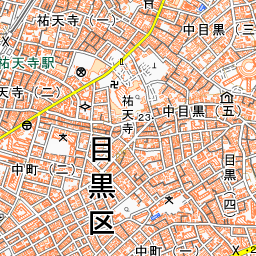
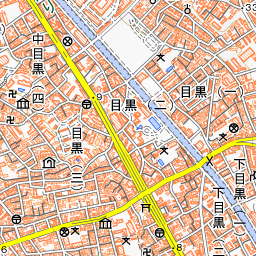
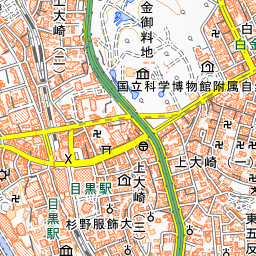
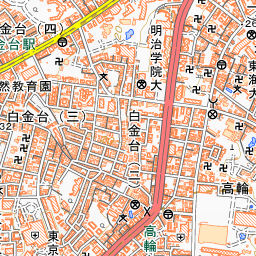
Spot location © OpenStreetMap contributors (ODbL)
Open in Google MapsGuides that include this spot (1)
Use asobot while you walk
- See where you are on the map and find spots nearby
- Listen to the guide's audio in course order, one after another (with subtitles)
- Walk to the next spot while following the map
Open on your phone
Scan to open this spot in asobot on your phone.