 ✨ AI Generated
Machida City Museum of Graphic Arts
Japanese: 町田市立国際版画美術館
Machida, Tokyo
This information was written by AI and may contain mistakes. Please check official sources for opening hours, fees, and other details before you go.
Found a mistake? Let us know with “✏️ Something's wrong” on this spot's screen in asobot →
🎧 Audio guide(1:03)
In short
Opened in 1987, the Machida City Museum of Graphic Arts is one of the rare museums in the world devoted primarily to prints. Its collection exceeds 30,000 items, gathering Japanese and overseas prints from the Nara period to the present day. It is located in a corner of the verdant Serigaya Park.
- Prints from All Eras and Regions: The collection features items ranging from Heian-period printed Buddhist images (shubutsu) and works by Utagawa Hiroshige and Katsushika Hokusai, to creations by Dürer, Rembrandt, and Munch.
- The Joy of Creation: To allow visitors not only to look at prints but also to experience the fun of making them, the museum houses fully equipped printmaking workshops and studios used for practical courses and more.
- The Greenery of Serigaya Park: At the museum's Tearoom Keyaki, visitors can gaze upon the park's lush greenery through large glass windows.
History and Highlights
The Machida City Museum of Graphic Arts is one of the few museums in the world centered on prints. In 1982, the decision was made to build it inside Serigaya Park, and the building was completed in August 1986. It opened in April 1987 with the commemorative exhibitions "Masterpieces of Japanese Prints" and "French Prints: 16th to 19th Centuries."
The museum collects prints from Japan and abroad spanning from the Nara period to modern times. Its collection now exceeds 30,000 pieces. Through this collection, visitors can trace the history of printmaking. In addition, it allows prints to be viewed from diverse perspectives, including shifts in techniques and the roles that prints have played in society.
Japanese works include a Heian-period Printed Image of Seated Amida Nyorai handed down at Joruri-ji Temple. A shubutsu is an image of Buddha stamped or printed onto paper from a printing block. Famous works showcased also include Utagawa Hiroshige's The Fifty-three Stations of the Tokaido from the Tenpo era, pieces by Katsushika Hokusai, and Showa-era works by Munakata Shiko. Overseas works include Dürer's The Four Horsemen, prints by Rembrandt and Goya, Munch's The Sick Child, and prints by Matisse. The museum holds exhibitions on a wide variety of themes based on this collection.
Viewing and Experience Points
- Tracing the History of Prints: The collection covers a wide range of periods and regions, from Heian-period printed Buddhist images to ukiyo-e by Hiroshige and Hokusai, and prints by Dürer and Rembrandt. Exhibitions based on this collection are held on various themes. Pay attention also to the changes in printmaking techniques.
- Print Workshop and Studios: To let visitors experience the joy of making prints in addition to viewing them, the museum has a fully equipped printmaking workshop and studios. Visitors can produce copperplate prints, lithographs, screenprints, and woodblock prints, and the facilities are used for practical courses as well as public demonstrations by invited artists.
- Tearoom Keyaki: The tea room's greatest point of pride is the greenery of Serigaya Park that spreads out beyond its large glass windows. Enjoy the scenery that shifts from season to season.
Walking Tips
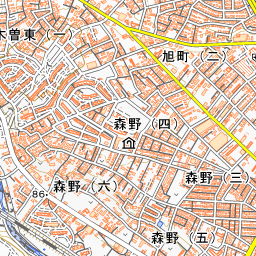
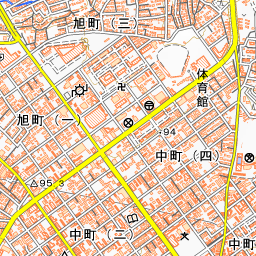
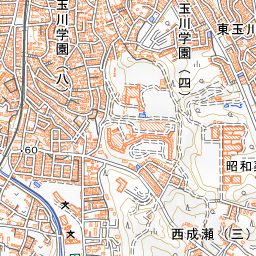
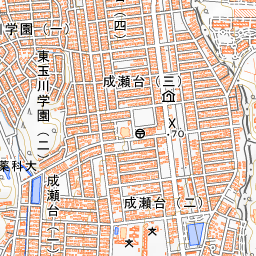
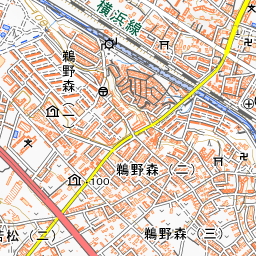
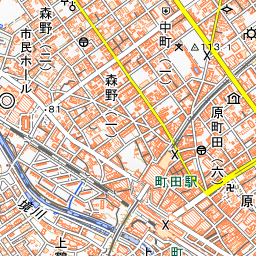
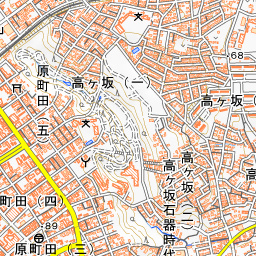
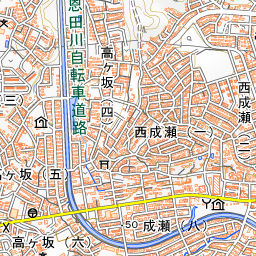
The museum is about a 15-minute walk from the Odakyu Line Machida Station and the North Exit of the JR Yokohama Line Machida Station. From the stations, enter Serigaya Park; the museum is on the right side after descending the stairs inside the park. It is about a 12-minute walk from the Terminal Exit of JR Machida Station, but this route requires walking down a very steep hill. Serigaya Park is a park dotted with sculptures amidst lush greenery and water, with a gentle stream flowing in front of the museum. Take a stroll through the park before and after viewing the exhibitions.

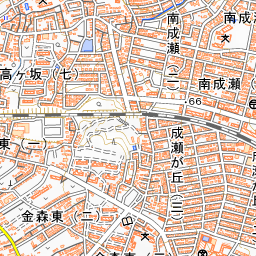
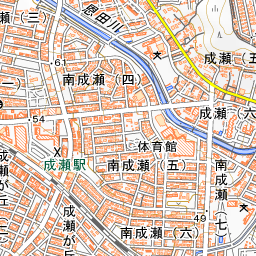
Spot location © OpenStreetMap contributors (ODbL)
Open in Google MapsUse asobot while you walk
- See where you are on the map and find spots nearby
- Listen to the guide's audio in course order, one after another (with subtitles)
- Walk to the next spot while following the map
Open on your phone
Scan to open this spot in asobot on your phone.