 ✨ AI Generated
Hasegawa Machiko Art Museum
Japanese: 長谷川町子美術館
Setagaya City, Tokyo
This information was written by AI and may contain mistakes. Please check official sources for opening hours, fees, and other details before you go.
Found a mistake? Let us know with “✏️ Something's wrong” on this spot's screen in asobot →
🎧 Audio guide(1:07)
In short
The Hasegawa Machiko Art Museum displays works of art collected by Hasegawa Machiko—the manga artist known as the creator of Sazae-san—and her older sister, Mariko. It opened in 1985 in Sakurashinmachi, Setagaya Ward, where Machiko lived for many years. Located just across the street is an annex, the Hasegawa Machiko Memorial Museum, which introduces her works and life.
- The Sisters' Collection: A total of 788 pieces collected by the sisters—including Nihonga (Japanese-style paintings), Western-style paintings, crafts, and sculptures—are displayed across several collection exhibitions held each year.
- Hasegawa Machiko Memorial Museum: An annex showcasing Machiko's life and original drawings from works such as Sazae-san and Ijiwaru Baasan. Bronze statues of Sazae-san, Machiko, and Ijiwaru Baasan stand at the entrance.
- Sazae-san Street: A shopping street running from Sakurashinmachi Station to the museum, lined with bronze statues of characters from Sazae-san throughout.
History and Highlights
The Hasegawa Machiko Art Museum is an art museum displaying the art collection gathered by manga artist Hasegawa Machiko and her older sister, Mariko. Funded by the earnings from Machiko's manga such as Sazae-san and Ijiwaru Baasan, the two sisters began collecting art and craft works around 1955.
Seeking to share their collection with society at large, the sisters established an art museum in Sakurashinmachi, where Machiko spent much of her life. It opened on November 3, 1985, originally named the "Hasegawa Art Museum." Following Machiko's passing, it was renamed to its current name, "Hasegawa Machiko Art Museum," in 1992.
The collection comprises 788 items in total: 311 Japanese-style paintings, 250 Western-style paintings, 195 craft items, and 32 sculptures. It features a wide variety of works, from Japanese paintings by artists such as Higashiyama Kaii and Kayama Matazo to Western paintings by Marc Chagall and others, as well as ceramics and glassware. These works are shown to the public through collection exhibitions held several times a year based on seasons and themes.
Viewing and Experience Highlights
- Collection Exhibitions: The museum rotates the works collected by the sisters according to specific themes. Visitors can compare and appreciate the diverse pieces chosen by the sisters, ranging from Japanese-style and Western-style paintings to craft arts.
- Hasegawa Machiko Memorial Museum: Opened as an annex in 2020, marking the centenary of Machiko's birth. The first-floor permanent exhibition room, "Machiko's World," allows visitors to enjoy Machiko's creations through both digital and analog exhibits. The second-floor permanent exhibition room, "Machiko's Life," introduces her life and artistic career through original drawings, photographs, and historical documents.
- Bronze Statues at the Memorial Museum Entrance: At the entrance to the memorial museum stand bronze statues of Sazae-san, Hasegawa Machiko, and Ijiwaru Baasan. Take time before entering to see the manga characters standing alongside their creator.
Strolling Tips
The museum is about a 7-minute walk from Sakurashinmachi Station on the Tokyu Den-en-toshi Line. The Sakurashinmachi shopping street stretching from the station to the museum is known as "Sazae-san Street." Along this area, a total of 12 bronze statues of Sazae-san characters—including Sazae-san, Katsuo, and Wakame—are placed across four locations. Illustrations of Sazae-san can also be spotted on post boxes, stone bollards, and elsewhere. It is recommended to walk along the street looking for the bronze statues from the station, and then visit the art museum and the memorial museum across the street one after the other. Both venues can be entered with the same admission ticket.
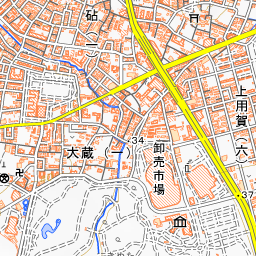

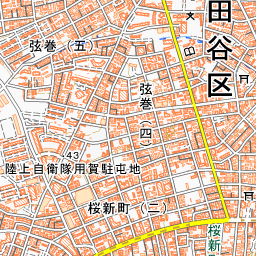
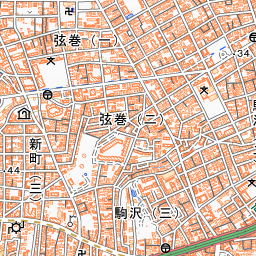
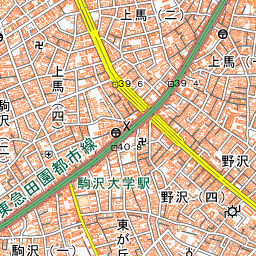
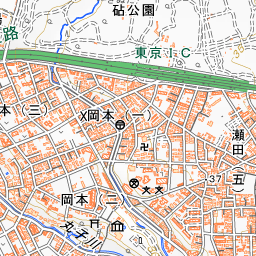
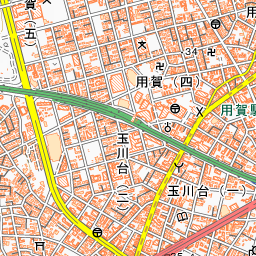
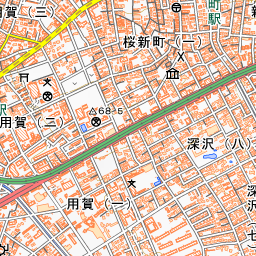
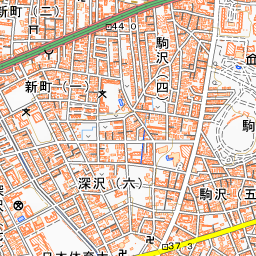
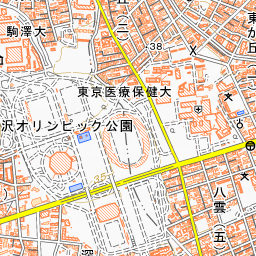
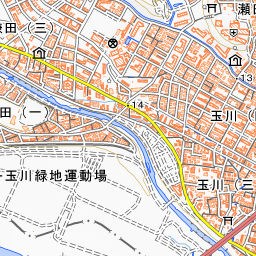
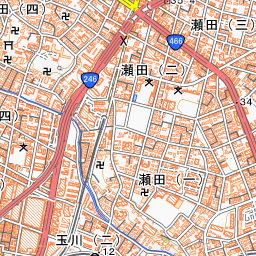
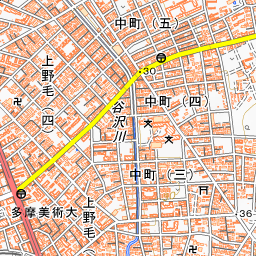
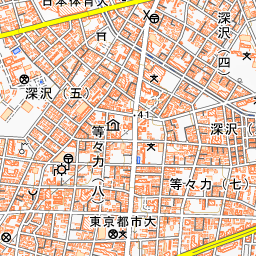
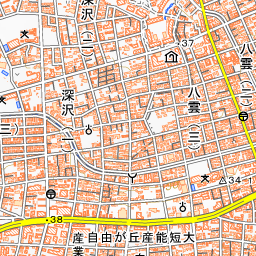
Spot location © OpenStreetMap contributors (ODbL)
Open in Google MapsUse asobot while you walk
- See where you are on the map and find spots nearby
- Listen to the guide's audio in course order, one after another (with subtitles)
- Walk to the next spot while following the map
Open on your phone
Scan to open this spot in asobot on your phone.