 ✨ AI Generated
Tokyo Fuji Art Museum
Japanese: 東京富士美術館
Hachioji, Tokyo
This information was written by AI and may contain mistakes. Please check official sources for opening hours, fees, and other details before you go.
Found a mistake? Let us know with “✏️ Something's wrong” on this spot's screen in asobot →
🎧 Audio guide(0:58)
In short
Tokyo Fuji Art Museum is a private art museum that opened in Hachioji in 1983. Holding about 30,000 works from various countries and eras across Japan, the East, and the West, it is known for an oil painting collection offering an overview of 500 years of Western painting, as well as a photography collection tracing the history of photography.
- Permanent Exhibition of Western Painting: You can always view about 100 masterpieces of Western painting from the Renaissance to modern times.
- A Wide-Ranging Collection: It also houses works such as Monet's Water Lilies, a painting depicting Napoleon, and armor used by Shimazu Nariakira.
- Small Stories in the Garden: Water lilies originating from the pond in Giverny loved by Monet and the Huyghe Cherry Tree are planted here.
History and Highlights
Tokyo Fuji Art Museum is a private art museum that opened on November 3, 1983, in Hachioji, an academic city in western Tokyo. A preparatory committee for its establishment was formed in 1981, and construction began in November of the same year.
Its opening commemorative exhibition was "Modern French Painting." Paintings gathered from eight museums representing France, including the Louvre Museum. Supporting this exhibition was the French art historian René Huyghe. Huyghe is known as the person who, as head of the Department of Paintings at the Louvre Museum during World War II, protected the Mona Lisa from Nazi Germany. Later, he became the honorary director of this museum.
Its collection spans about 30,000 items, including Japanese, Eastern, and Western paintings, prints, photographs, sculptures, ceramics, lacquerware, armor, swords, and medals. In particular, its oil painting collection, which offers an overview of the 500-year flow of Western painting through the Renaissance, Baroque, Rococo, Romanticism, Impressionism, and modern times, and its photography collection, which surveys the history of photography from its birth to the present, are known as among the most prominent in Japan. It also holds international exchange exhibitions introducing cultures of the world.
Appreciation and Experience Highlights
- Western Paintings in the Permanent Exhibition Rooms: The permanent exhibition rooms present collections centered on Western painting. You can always view about 100 masterpieces from the Renaissance to modern times. The collection also includes Claude Monet's Water Lilies (1908), as well as works by Renoir and Van Gogh.
- Napoleon and Armor: The Napoleon collection includes Bonaparte Crossing the Great St. Bernard by the workshop of David. The collection of Japanese armor and swords also includes armor used by Shimazu Nariakira.
- Photography Collection: A collection that traces photography from its birth to the present. From the International Center of Photography in New York, the "last camera" favored by photographer Robert Capa was donated to the museum.
Tips for Exploring
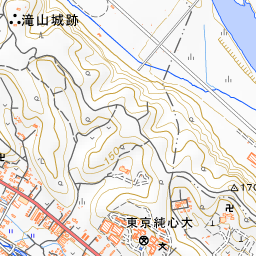
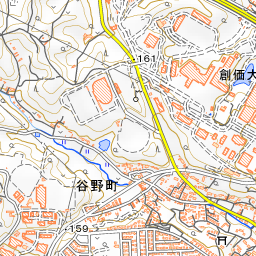
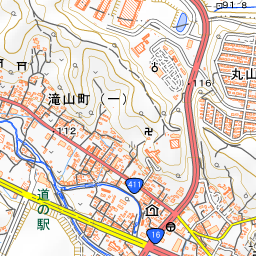
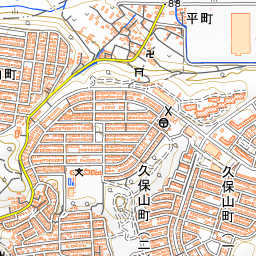
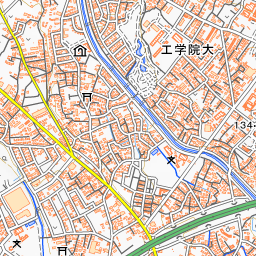
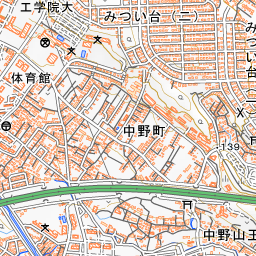
From the North Exit of JR Hachioji Station or Keio-Hachioji Station, take the Nishi Tokyo Bus bound for "Soka Daigaku Seimon Tokyo Fuji Bijutsukan" and get off at "Soka Daigaku Seimon Tokyo Fuji Bijutsukan." The entrance hall is a spacious lobby with a ceiling height of 12.4 meters. After viewing the art, try taking a walk in the first-floor garden as well. There are "Monet's Water Lilies" originating from the pond in Giverny loved by Monet, the "Huyghe Cherry Tree" planted in honor of René Huyghe, and a second-generation tree grown from a persimmon tree that survived the atomic bombing in Nagasaki. On November 3, 2023, a "Jindai Akebono Sakura" was planted to commemorate the 40th anniversary of its opening. About 1.7 kilometers to the north are the Takiyama Castle Ruins, the site of a Sengoku period castle.
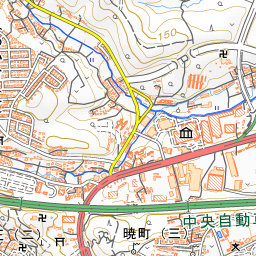
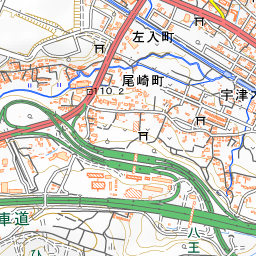
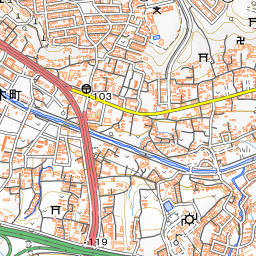
Spot location © OpenStreetMap contributors (ODbL)
Open in Google MapsUse asobot while you walk
- See where you are on the map and find spots nearby
- Listen to the guide's audio in course order, one after another (with subtitles)
- Walk to the next spot while following the map
Open on your phone
Scan to open this spot in asobot on your phone.