 ✨ AI Generated
Nashinoki-jinja Shrine
Japanese: 梨木神社
Kamigyo Ward, Kyoto
This information was written by AI and may contain mistakes. Please check official sources for opening hours, fees, and other details before you go.
Found a mistake? Let us know with “✏️ Something's wrong” on this spot's screen in asobot →
🎧 Audio guide(1:12)
In short
A shrine on the east side of Kyoto Imperial Palace, founded in 1885 (Meiji 18) to enshrine Lord Sanjo Sanetsumu, who served as a buke tenso (court liaison to the shogunate) and devoted himself to mediating between the imperial court and the shogunate at the end of the Edo period. In 1915 (Taisho 4), his son, Lord Sanjo Sanetomi, was enshrined alongside him, and both lords are revered as deities of learning and literature.
- "Somei," One of Kyoto's Three Renowned Waters: The well of Somei at the chozuya (water purification pavilion) is considered the only one of Kyoto's Three Renowned Waters that still flows without drying up, and is known for its sweet, mellow taste suitable for the tea ceremony
- Hagi-no-Miya and the Bush Clover Festival (Hagi Matsuri): More than 500 bush clover plants are grown across the grounds. Every year in September, the Hagi Matsuri features dedication performances of traditional dance, Japanese music, archery, iaido, and more
- The Sacred Tree "Tree of Love": A sacred katsura tree long fondly called the "Tree of Love" because its leaves are heart-shaped. It is said that making a prayer while touching the tree will grant one's wish
History and Highlights
Nashinoki-jinja Shrine is a shrine located on the east side of Kyoto Imperial Palace. It was founded in October of the 18th year of Meiji (1885) to enshrine Lord Sanjo Sanetsumu, who served as a buke tenso (court liaison to the shogunate) and devoted himself to mediating between the imperial court and the shogunate at the end of the Edo period. The name of the shrine originates from the old place name, Nashinoki-cho, where Lord Sanetsumu was born. In the 4th year of Taisho (1915), on the occasion of the enthronement ceremony of Emperor Taisho, Lord Sanetsumu's son, Lord Sanjo Sanetomi, who held important posts such as Prime Minister of the realm (Daijo-daijin), was enshrined alongside as the second principal deity.
Both lords are revered as deities of learning and literature, and the shrine grounds feature monument stones inscribed with waka poetry by Ueda Akinari, the author of Ugetsu Monogatari (Tales of Moonlight and Rain), and Dr. Yukawa Hideki, Japan's first Nobel laureate. In addition, the area of the grounds is said to be the site of Somedono-no-tei, a residence maintained in the early Heian period by Fujiwara no Yoshifusa.
Viewing and Experience Points
- "Somei," One of Kyoto's Three Renowned Waters: The well of Somei at the chozuya (water purification pavilion) is one of Kyoto's Three Renowned Waters, along with Samegai and Agatai. Among the three, it is considered the only renowned water that still flows without drying up, known for its sweet, mellow taste suitable for the tea ceremony.
- Hagi-no-Miya and the Bush Clover Festival (Hagi Matsuri): Also known by the alias "Hagi-no-Miya" (Shrine of Bush Clover), Nashinoki-jinja Shrine is a famous spot in Kyoto for Japanese bush clover (hagi), with more than 500 plants grown across the grounds. Every year in September, around the time the bush clovers burst into full bloom, strips of paper inscribed with haiku and tanka poems are tied to the branches, and the Hagi Matsuri features dedication performances of traditional dance, Japanese music, archery, and iaido.
- The Sacred Tree "Tree of Love": The sacred katsura tree has long been fondly called the "Tree of Love" because its leaves are heart-shaped. It is said that making a prayer while touching the tree will grant one's wish.
Tips for Walking
Nashinoki-dori Street, running between the shrine and Kyoto Imperial Palace, is said to have been the road taken by court nobles when visiting the palace in the morning and evening. Just to the east lies Rozan-ji Temple, which has ties to Murasaki Shikibu, making it easy to visit both during the bush clover season or an autumn stroll.


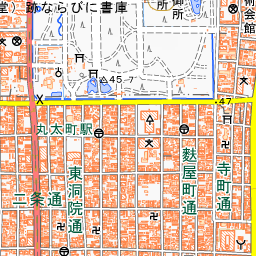


Spot location © OpenStreetMap contributors (ODbL)
Open in Google MapsUse asobot while you walk
- See where you are on the map and find spots nearby
- Listen to the guide's audio in course order, one after another (with subtitles)
- Walk to the next spot while following the map
Open on your phone
Scan to open this spot in asobot on your phone.