 ✨ AI Generated
Rekishi-no-Mieru-Oka Hill
Japanese: 歴史の見える丘
Kure, Hiroshima
This information was written by AI and may contain mistakes. Please check official sources for opening hours, fees, and other details before you go.
Found a mistake? Let us know with “✏️ Something's wrong” on this spot's screen in asobot →
🎧 Audio guide(0:52)
In short
Rekishi-no-Mieru-Oka Hill is a park opened in 1982 on the heights of Miyahara in Kure City. It was developed as a vantage point offering a panoramic view of Kure's history since the Meiji period, and it is also one of the cultural properties constituting the Japan Heritage "The Four Dynamic Coastal Cities of Yokosuka, Kure, Sasebo, and Maizuru." The shipyard spreading below the hill is the site of the former Kure Naval Arsenal, where the battleship Yamato was built.
- Overlooking the Giant Roof Where Yamato Was Built: The large roof, constructed to hide the building process from public view, remains in the shipyard today even though the dock has been filled in, and it can be looked down upon from atop the hill
- Monuments Standing on the Hill: Monuments line the grounds, including the "Aa Senkan Yamato no To," shaped like the bridge of the Yamato, and a memorial tower combining foundation stones and nameplates from the naval arsenal
- Shiki's Haiku Monument: A stone monument stands engraved with a haiku by the poet Masaoka Shiki, who visited Kure in 1895 to see off a friend departing on a warship
History and Highlights
Rekishi-no-Mieru-Oka Hill is a park opened in 1982 on the heights of Miyahara in Kure City. It was developed as a vantage point offering a panoramic view of Kure's history since the Meiji period (1868–1912), and it is also one of the cultural properties constituting the Japan Heritage "The Four Dynamic Coastal Cities of Yokosuka, Kure, Sasebo, and Maizuru."
During the Meiji period, the navy established the Kure Naval District in Kure, purchasing much of the coastline to build naval facilities and an arsenal. The shipyard spreading below the hill is the site of the former Kure Naval Arsenal. Here, there was a shipbuilding dock measuring 270 meters long and 33 meters wide, which was said to be the largest in the Orient at the time; the battleship Yamato was built here between 1937 and 1941. The large roof, constructed to hide the building process from public view, remains in the shipyard today even though the dock has been filled in, and it can be looked down upon from atop the hill. Even after World War II, large tankers representing their eras have continued to be built at this site.
Viewing and Experience Highlights
- Overlooking the Giant Roof Where Yamato Was Built: From the hill, you can see the large roof that remains from the time the battleship Yamato was constructed. Although the shipyard is a private commercial facility and entry is not permitted, crossing the pedestrian overpass extending from the hill allows for a closer view.
- Monuments Standing on the Hill: Several monuments line the grounds, including the "Aa Senkan Yamato no To" (Monument to the Battleship Yamato) shaped like the bridge of the Yamato, a memorial tower combining foundation stones and nameplates from the naval arsenal, and a monument that uses stones from the dock walls to depict steps descending to the basin floor.
- Shiki's Haiku Monument: In 1895, amid the First Sino-Japanese War, the haiku poet Masaoka Shiki visited Kure to see off a friend departing on a warship and composed a haiku. A stone monument engraved with that haiku stands on the hill.
Tips for Exploring
From the hill, visitors can also see the building of the former Kure Naval District headquarters, which is still in use today as the JMSDF Kure District Headquarters. It is about a 30-minute walk from JR Kure Station, or just steps away from the "Shiki Kuhi-mae" bus stop if arriving by local bus from the station. Touring here alongside the Yamato Museum, which features a model of the Yamato, and Alley Karasukojima, where submarines can be viewed up close, offers a deeper understanding of the history of Kure as a naval port city.
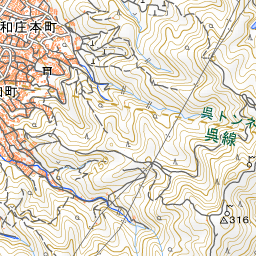

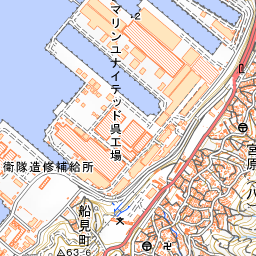
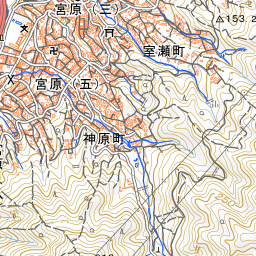
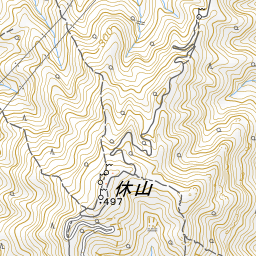
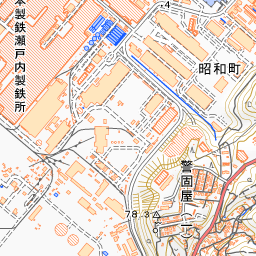
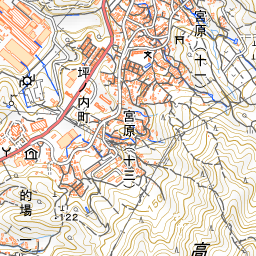
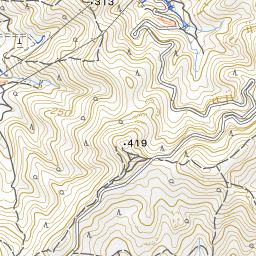
Spot location © OpenStreetMap contributors (ODbL)
Open in Google MapsGuides that include this spot (1)
Use asobot while you walk
- See where you are on the map and find spots nearby
- Listen to the guide's audio in course order, one after another (with subtitles)
- Walk to the next spot while following the map
Open on your phone
Scan to open this spot in asobot on your phone.