 ✨ AI Generated
Hirano-jinja Shrine
Japanese: 平野神社
Kita Ward, Kyoto
This information was written by AI and may contain mistakes. Please check official sources for opening hours, fees, and other details before you go.
Found a mistake? Let us know with “✏️ Something's wrong” on this spot's screen in asobot →
🎧 Audio guide(1:08)
In short
A shrine that enshrines four deities, beginning with Imaki-sume-okami. Records show it was enshrined in the Heijo Palace at the end of the Nara period, and it was relocated to the land of Hirano at the same time as the transfer of the capital to Heian-kyo in 794 (Enryaku 13). It later also became the tutelary shrine of the Genji and Heike clans, and is known as a prestigious and renowned shrine.
- The Main Sanctuary in Hirano-zukuri Style: The main sanctuary, a national Important Cultural Property built in 1625 (Kan'ei 2) and 1632 (Kan'ei 9), joins Kasuga-zukuri halls together in pairs, a style known as Hirano-zukuri or hiyoku Kasuga-zukuri
- Cherry Blossoms Announcing the Capital's Spring: The grounds have about 400 cherry trees of approximately 60 varieties, and the early-blooming Sakigake-zakura is said to signal the start of hanami in the capital once it begins to bloom. Visitors can enjoy various cherry blossoms over a period of about a month and a half
- Oka-sai Festival on April 10: A festival said to have originated when Emperor Kazan made an imperial visit to Hirano-jinja Shrine and held an extraordinary imperial festival. A historical procession of about 200 people parades through the local parish area
History and Highlights
Hirano-jinja Shrine is a shrine that enshrines four deities: Imaki-sume-okami, Kudo-no-okami, Furuaki-no-okami, and Hime-no-okami. Records show that it was enshrined within the Heijo Palace at the end of the Nara period, and it was relocated to this land of Hirano at the same time as the transfer of the capital to Heian-kyo in the 13th year of Enryaku (794). During the Heian period, the rank of these deities rose rapidly, and it became customary for the Crown Prince to pay homage on festival days. Later, it also became the tutelary shrine for the Genji and Heike clans, and is known as a prestigious and renowned shrine alongside Ise-jingu Shrine and Matsunoo-taisha Shrine.
The haiden (worship hall) was built in the 3rd year of Keian (1650) by Tofukumon-in, the empress consort of Emperor Gomizunoo.
Viewing and Experience Highlights
- The Main Sanctuary in Hirano-zukuri Style: The honden (main sanctuary), designated as a national Important Cultural Property, had its southern hall built in the 2nd year of Kan'ei (1625) and its northern hall in the 9th year of Kan'ei (1632). It features an architectural style that joins two Kasuga-zukuri halls together, known as Hirano-zukuri or hiyoku Kasuga-zukuri, which at first glance looks like a sangensha (three-bay style shrine). The fact that it faces east stems from its origins as a deity enshrined in the imperial palace.
- Cherry Blossoms Announcing the Capital's Spring: Cherry trees have been planted on the grounds since the Heian period, and today there are about 400 trees of approximately 60 varieties. The early-blooming Sakigake-zakura, which originated at Hirano-jinja Shrine, is said to signal the start of hanami (cherry blossom viewing) in Kyoto once it begins to bloom. There are also many cherry varieties for which Hirano-jinja Shrine is the original source, including Hirano-nezame and Hirano-imose, allowing visitors to enjoy various blooms over a period of about a month and a half. In the Edo period, the evening blossoms were opened to commoners as well, and the "night cherry blossoms of Hirano" became a famous flower-viewing spot representing the capital.
- Oka-sai Festival on April 10: This festival is said to have originated when Emperor Kazan made an imperial visit to Hirano-jinja Shrine and held an extraordinary imperial festival to pray for the prosperity of his descendants. Held every year on April 10, a historical procession of about 200 people parades through the local parish area.
Walking Tips
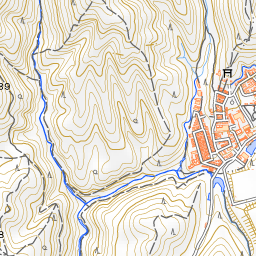
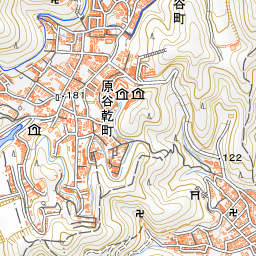
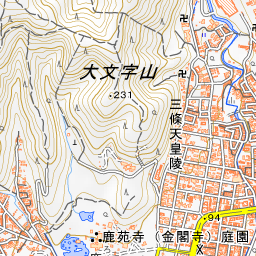
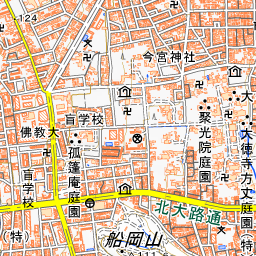
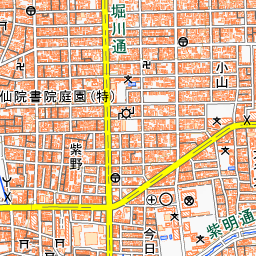
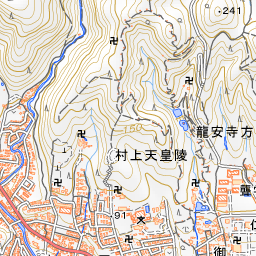
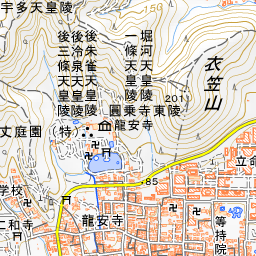
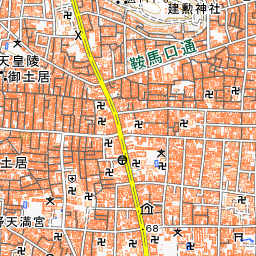
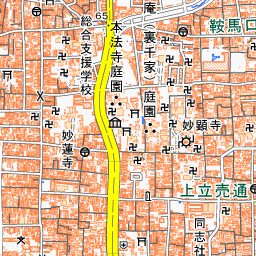
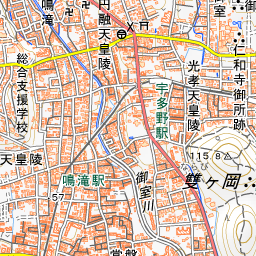
It is about a 3-minute walk north after getting off at the "Kinugasa Ko-mae" city bus stop, and about a 7-minute walk north from "Kitano-Hakubaicho" Station on the Keifuku Electric Railroad Kitano Line. In addition to cherry blossoms, visitors can enjoy flowers and trees associated with the shrine's prestige and historical origins, with 1,500 Murasaki Shikibu (Japanese beautyberry) shrubs planted in the cherry garden.



Spot location © OpenStreetMap contributors (ODbL)
Open in Google MapsUse asobot while you walk
- See where you are on the map and find spots nearby
- Listen to the guide's audio in course order, one after another (with subtitles)
- Walk to the next spot while following the map
Open on your phone
Scan to open this spot in asobot on your phone.