 ✨ AI Generated
Kamigamo-jinja Shrine
Japanese: 上賀茂神社
Kita Ward, Kyoto
This information was written by AI and may contain mistakes. Please check official sources for opening hours, fees, and other details before you go.
Found a mistake? Let us know with “✏️ Something's wrong” on this spot's screen in asobot →
🎧 Audio guide(1:09)
In short
Formally named Kamo Wakeikazuchi-jinja Shrine, it enshrines Kamo Wakeikazuchi no Okami and is one of the oldest shrines in Kyoto. Kamo Shrine was constructed in 677, the 6th year of the reign of Emperor Tenmu, and the Kamo Matsuri, held annually on May 15, is widely known as the "Aoi Matsuri Festival." In 1994 (Heisei 6), the shrine was registered as a World Cultural Heritage site as part of the "Historic Monuments of Ancient Kyoto."
- Tatezuna modeled after Mount Koyama: The tatezuna (sand cones) facing visitors just inside the Ni-no-Torii gate are modeled after Mount Koyama, where the enshrined deity is said to have descended, and pine needles, three on one and two on the other, are placed atop them
- National Treasure Honden and Gonden: Two shrine buildings of identical shape stand side by side, built in the nagare-zukuri style with hiwadabuki (cypress bark) roofs. On special viewings guided by Shinto priests, visitors can stand in front of the Honden and Gonden
- Kataoka-sha and the Nara-no-Ogawa Stream: There are Kataoka-sha, a shrine for marriage and love where a poem by Murasaki Shikibu remains, and the Nara-no-Ogawa Stream, where hitogata (paper effigies) are released during the Nagoshi no Oharae purification ritual on June 30
History and Highlights
Kamigamo-jinja Shrine, officially named Kamo Wakeikazuchi-jinja Shrine, enshrines Kamo Wakeikazuchi no Okami and is one of the oldest shrines in Kyoto. Legend holds that the enshrined deity descended in the age of the gods onto Mount Koyama, located approximately 2 kilometers north-northwest of the main hall, and Kamo Shrine was constructed in 677 during the 6th year of the reign of Emperor Tenmu. The deity's mother, Tamayorihime-no-Mikoto, and grandfather, Taketsunumi-no-Mikoto, are enshrined at Shimogamo-jinja Shrine. Following the transfer of the capital to Heian-kyo, successive emperors visited the shrine, venerating it as a guardian of the capital and as the ichinomiya (first shrine) of Yamashiro Province. The Kamo Matsuri, held annually on May 15, is widely known as the Aoi Matsuri Festival and is counted among the Three Imperial Festivals of Japan.
The Honden (main sanctuary) and Gonden (provisional sanctuary) are National Treasures rebuilt in 1863, and 41 other shrine buildings are designated as Important Cultural Properties. In 1994, the entire precinct was registered as a World Cultural Heritage site as part of the "Historic Monuments of Ancient Kyoto."
Sights and Experience Points
- Tatezuna modeled after Mount Koyama: Facing visitors just inside the Ni-no-Torii gate, the tatezuna (sand cones) are modeled after Mount Koyama. Pine needles—three on one peak and two on the other—are placed atop them, forming a pair representing yang and yin.
- National Treasure Honden and Gonden: Two buildings of identical shape stand side by side, with the Honden to the east and the Gonden to the west. The Gonden serves as a temporary main sanctuary during the Shikinen Sengu periodic rebuilding ceremonies. Built in the nagare-zukuri style with hiwadabuki (cypress bark) roofs, they are regarded as archetypes of the nagare-zukuri style, which accounts for about 60% of shrines nationwide. Through special viewings guided by Shinto priests into normally restricted sacred precincts, visitors can stand directly in front of the Honden and Gonden.
- Kataoka-sha and the Nara-no-Ogawa Stream: Located near the Romon gate, Katayama Miko-jinja Shrine, commonly known as Kataoka-sha, is a shrine dedicated to marriage and love that enshrines Kamo Tamayorihime-no-Mikoto, the mother of the primary deity. A poem composed here by Murasaki Shikibu is included in the Shin Kokin Wakashu imperial poetry anthology. During the Nagoshi no Oharae purification ritual on June 30, hitogata (paper effigies) are released from the Hashiden hall into the precinct's Nara-no-Ogawa Stream, accompanied by the recitation of Fujiwara Ietaka's poem celebrating this scene: "The breeze rustles in the evening at the Nara Stream."
Walking Tips
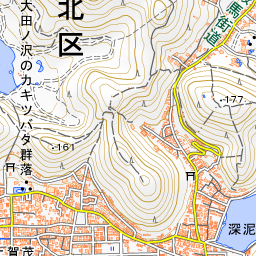
The shrine is just a short walk from the "Kamigamo-jinja-mae" city bus and Kyoto bus stop. On the second Sunday of April, the Kamo Kyokusui no En (winding stream party), an event tracing its roots to the Heian period, is held in the Shokei-en Garden on the precinct grounds. About 800 meters east of the main shrine stands the auxiliary Ota-jinja Shrine; east of its approach in the Ota-no-sawa wetland grows a colony of kakitsubata (rabbitear iris), designated as a National Natural Monument, which blooms around mid-May. The priestly residential quarter extending to the east of the shrine is introduced in a separate spot entry as Kamigamo Shake-machi.
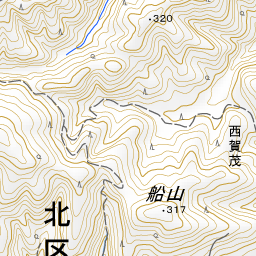
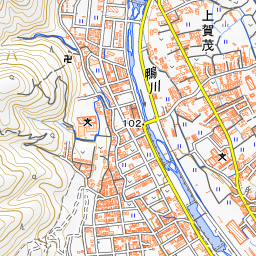
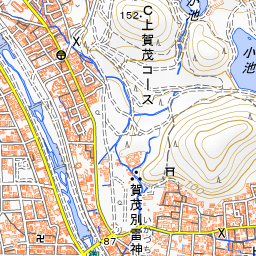

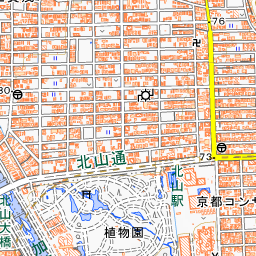
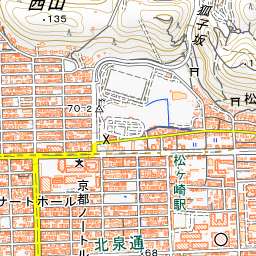
Spot location © OpenStreetMap contributors (ODbL)
Open in Google MapsGuides that include this spot (1)
Use asobot while you walk
- See where you are on the map and find spots nearby
- Listen to the guide's audio in course order, one after another (with subtitles)
- Walk to the next spot while following the map
Open on your phone
Scan to open this spot in asobot on your phone.