 ✨ AI Generated
Kaijusen-ji Temple
Japanese: 海住山寺
Kizugawa, Kyoto
This information was written by AI and may contain mistakes. Please check official sources for opening hours, fees, and other details before you go.
Found a mistake? Let us know with “✏️ Something's wrong” on this spot's screen in asobot →
🎧 Audio guide(1:15)
In short
Kaijusen-ji Temple is a temple of the Chisan School of Shingon Buddhism, located halfway up Mount Kaiju in Kamo-cho, Kizugawa City. According to temple tradition, its origin is said to be Kannon-ji Temple, built in 735 by Roben at the command of Emperor Shomu. In 1208, Gedatsu Shonin Jokei, who had been residing at Kasagi-dera Temple, moved here and restored it.
- National Treasure five-story pagoda: Built in 1214 by Jokei's disciple Kakushin on the first anniversary of Jokei's death, it has a total height of 17.7 meters and is the second smallest five-story pagoda after the one at Muro-ji Temple. The first tier features an attached pent roof called a mokoshi
- Monju-do Hall and Eleven-Headed Kannon: The Monju-do Hall, an Important Cultural Property, is a Kamakura-period structure. The Main Hall and the Oku-no-in each enshrine one Eleven-Headed Kannon statue believed to date from the Heian period, and both are Important Cultural Properties
- View overlooking Mikanohara: From the grounds, you can look down upon Mikanohara, the site of Kuni-kyo, and the Kizu River. The temple describes how, if you view the plains and mountain ranges as an ocean, Mount Kaiju resembles Fudarakusan floating in the southern sea
History and Highlights
Kaijusen-ji Temple is a temple belonging to the Chisan School of Shingon Buddhism, located halfway up Mount Kaiju in Kamo-cho, Kizugawa City. According to temple tradition, in 735 (Tenpyo 7), Emperor Shomu, wishing to erect the Great Buddha (Roshana Buddha), had Roben build a temple hall to pray for the safe completion of the construction, enshrined an Eleven-Headed Kannon there, and named it Fujiosan Kannon-ji Temple; this is said to be the temple's origin. It is also said that it was built in the direction of the capital's kimon (the northeastern, demon gate direction).
In 1137 (Hoen 3), Kannon-ji Temple was struck by a fire and lost its entire temple complex. More than 70 years later, in 1208 (Jogen 2), Gedatsu Shonin Jokei, who had been residing at Kasagi-dera Temple, moved here and restored the temple, renaming it Fudarakusan Kaijusen-ji Temple. "Fudarakusan" is the name of Kannon's pure land, said to be located in the southern sea. Jokei was a scholar-monk of Nanto (Nara) Buddhism who had entered Kofuku-ji Temple at a young age and dedicated his efforts to reviving Buddhist monastic precepts. The temple later flourished greatly, and it is said to have had as many as 58 sub-temples.
Sights and Experience Points
- National Treasure Five-Story Pagoda: Built in 1214 (Kenpo 2) on the first anniversary of Jokei's death by his disciple Kakushin to house Buddhist relics. With a total height of 17.7 meters, it is the second smallest five-story pagoda after the one at Muro-ji Temple. The first tier features an attached pent roof called a mokoshi. The mokoshi was removed during later repairs, but it was restored to its original appearance during repairs in 1963. The technique of ending the shinbashira (central pillar) just above the ceiling of the first tier is the oldest existing example among surviving five-story pagodas.
- Monju-do Hall and Eleven-Headed Kannon: The Monju-do Hall, an Important Cultural Property, is a Kamakura-period structure believed to have been built as a sutra repository for the thirteenth anniversary of Jokei's passing. The Main Hall and the Oku-no-in (inner sanctuary) each enshrine an Eleven-Headed Kannon statue believed to date from the Heian period, and both are designated as Important Cultural Properties. The Kamakura-period standing statues of the Four Heavenly Kings that were once enshrined inside the five-story pagoda are currently deposited at the Nara National Museum.
- View Overlooking Mikanohara: From the temple grounds, you can look down upon Mikanohara, the site of Kuni-kyo, and the Kizu River. The temple describes this vista by suggesting that if you view the plains of Mikanohara and the mountain ranges beyond as an ocean, Mount Kaiju resembles Fudarakusan floating in the southern sea.
Walking Tips
Within the temple grounds stands a large yamamomo (bayberry) tree that has been selected among the 200 Selected Sights of Kyoto's Nature, and giant tree surveys consider it the largest yamamomo in the prefecture. If traveling by car, you can reach the temple in about 2 kilometers from National Route 163 and visit with your personal vehicle. If traveling by train, take the Nara Kotsu bus bound for Wazuka Kosugi from the West Exit of JR Kamo Station, get off at the third stop, "Okazaki," and walk for about 40 minutes. Located about 1.3 kilometers to the south is the Kuni Palace Site (Yamashiro Kokubun-ji Temple Site). Consider visiting it as well.


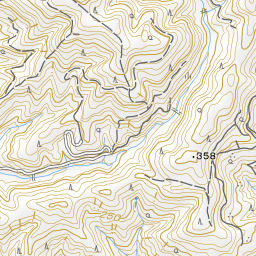
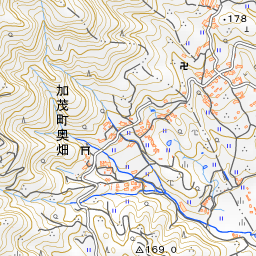
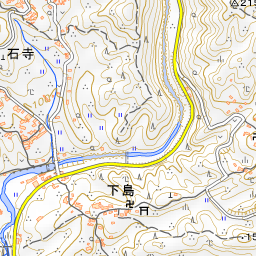


Spot location © OpenStreetMap contributors (ODbL)
Open in Google MapsGuides that include this spot (1)
Use asobot while you walk
- See where you are on the map and find spots nearby
- Listen to the guide's audio in course order, one after another (with subtitles)
- Walk to the next spot while following the map
Open on your phone
Scan to open this spot in asobot on your phone.