 ✨ AI Generated
Kotohikihama Beach
Japanese: 琴引浜
Kyotango, Kyoto
This information was written by AI and may contain mistakes. Please check official sources for opening hours, fees, and other details before you go.
Found a mistake? Let us know with “✏️ Something's wrong” on this spot's screen in asobot →
🎧 Audio guide(1:02)
In short
Kotohikihama Beach is a beach of white sand and green pines, approximately 1.8 kilometers long, in Kakezu, Amino-cho, Kyotango City. The entire beach is singing sand, and when you walk on the dry sand, it squeaks, kyu kyu. In 2007, it was designated as a national Natural Monument and Place of Scenic Beauty, and it is also known as the first smoke-free beach in the country.
- How to make the sand sing: Choose dry surface sand, and walk as if dragging your feet or forcefully sweep the surface of the sand with the palm of your hand to make the sound easier to hear. The sand sings well when sunny weather has continued and the sand is dry
- Taikohama: The area slightly to the west from the middle of the beach is called "Taikohama," and it makes a thumping sound like a drum when you stomp with your feet or strike it with your fist
- A beach that protects its singing sand: The sand stops singing if it becomes even slightly soiled with cigarette ash or other dirt. In 1987, local residents formed the "Association for the Protection of Kotohikihama Singing Sand" and have continued activities such as cleaning the beach
History and Highlights
Kotohikihama Beach is a beach of white sand and green pines stretching approximately 1.8 kilometers, located in Kakezu, Amino-cho, Kyotango City. The entire beach consists of singing sand, which makes a squeaking sound when walking on dry sand. There are no concrete structures such as wave-dissipating blocks, and its natural state is preserved. In 2007 (Heisei 19), it was designated as a national Natural Monument and Place of Scenic Beauty. It has also been selected among the 100 Selected White Sand and Green Pine Landscapes of Japan, the 100 Soundscapes of Japan to Be Preserved, and the 100 Selected Beaches of Japan.
The sand sings because its main component, quartz grains, is thoroughly washed in clean water and air. However, if it becomes even slightly soiled with cigarette ash or other contaminants, the sand immediately stops singing. Therefore, in 1987 (Showa 62), local residents formed the "Association for the Protection of Kotohikihama Singing Sand" and have continued activities such as cleaning the beach. Later, the beach became a non-smoking area and came to be known as the first smoke-free beach in the country.
Viewing and Experience Highlights
- How to Make the Sand Sing: Because wet sand near the water's edge does not sing, choose dry surface sand. Walking as if dragging your feet or forcefully sweeping the surface of the sand with the palm of your hand makes the sound easier to hear. Spreading both hands and sweeping the sand together will make it sing with an even louder sound.
- Taikohama: The area slightly to the west from the middle of the beach is called "Taikohama" (Drum Beach). Its name comes from the fact that it produces a thumping sound like a drum when stomped with feet or struck with fists. It is thought that the sound may reverberate in the space between the sand and the bedrock below.
- A Beach Celebrated in Poetry: Words praising the singing sand have remained at Kotohikihama Beach since ancient times. In the Sengoku period, Hosokawa Yusai composed poetry about it, and Edo period books recorded that walking through the sand naturally produces the sound of a koto. In the early Showa period, the couple Yosano Hiroshi and Akiko also visited this beach and composed poetry.
Tips for Visiting
The sand sings well when sunny weather continues and the sand is dry. Because it is difficult to hear on rainy days or right after rain, it is also recommended to visit the nearby Kotohikihama Singing Sand Museum to experience the sounds while learning about the mechanism of singing sand. On the sandy beach, smoking, fireworks, barbecues, and camping are prohibited to protect the singing sand. Please do not smoke and take your trash home with you. A hot spring wells up on the beach and is opened as a footbath and other uses depending on the season.



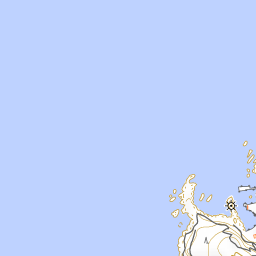
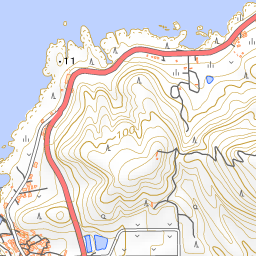


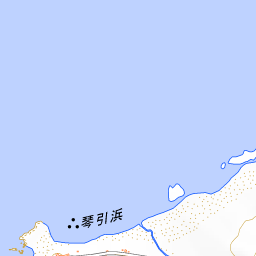
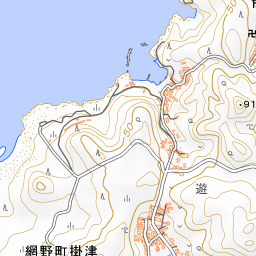
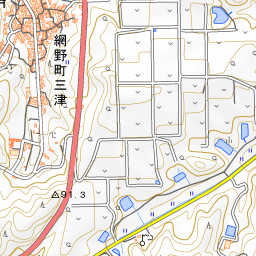


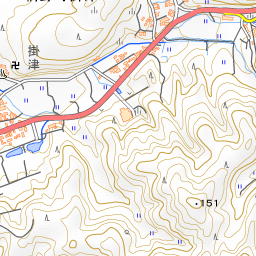
Spot location © OpenStreetMap contributors (ODbL)
Open in Google MapsGuides that include this spot (1)
Use asobot while you walk
- See where you are on the map and find spots nearby
- Listen to the guide's audio in course order, one after another (with subtitles)
- Walk to the next spot while following the map
Open on your phone
Scan to open this spot in asobot on your phone.