 ✨ AI Generated
Konoike Shinden Kaisho
Japanese: 鴻池新田会所
Higashiosaka, Osaka
This information was written by AI and may contain mistakes. Please check official sources for opening hours, fees, and other details before you go.
Found a mistake? Let us know with “✏️ Something's wrong” on this spot's screen in asobot →
🎧 Audio guide(1:09)
In short
An office for managing Konoike Shinden, reclaimed farmland developed in the Edo period. Konoike Shinden was developed by Konoike Zen'emon Munetoshi, the third head of the Konoike family, wealthy Osaka merchants, and it boasts the largest area among the newly developed farmlands created by the Yamato River diversion. Construction of the kaisho began in 1706 (Hoei 3) and was completed the following year. Five buildings—the honya (main building), yashikigura (mansion storehouse), monjogura (document storehouse), komegura (rice storehouse), and dogugura (tool storehouse)—are National Important Cultural Properties, and after preservation and repair work starting in fiscal year 2023 (Reiwa 5), the facility reopened on October 4, 2025 (Reiwa 7).
- The Honya with Magnificent Timber Framing: The doma (earthen floor area) of the honya spans approximately 160 tatami mats, with large beams running lengthwise and crosswise supported by only two independent pillars. The four large kamado (stoves) in a row on the earthen floor were used to prepare meals for the entire village in times of disaster and so on
- The Storehouses and the Shirasu: The largest rice storehouse was also called "Nisengokugura," where land tax rice harvested from the reclaimed land was stored. The courtyard between the zashiki and the yashikigura was called the shirasu, where judgments regarding village disputes were held
- A Garden to Stroll and Enjoy: The garden of about 2,600 square meters centered on Benten Pond is a representative example of a late-Edo-period chisen kansho-shiki (pond-centered viewing style) flat garden, designed so that visitors can enjoy changing views as they walk around
History and Highlights
Konoike Shinden Kaisho was an administrative office established in the Edo period to manage the Konoike Shinden (reclaimed farmland). When the Yamato River diversion project was carried out in 1704 (Hoei 1), the former riverbeds and pond sites became dry land, leading to the development of new farmland contracted by townspeople. Konoike Shinden was developed by Konoike Zen'emon Munetoshi, the third head of the Konoike family, which was renowned as wealthy Osaka merchants. Construction began in 1705 (Hoei 2), and it boasts the largest area among the newly developed farmlands created by the Yamato River diversion. During the Edo period, the Konoike family was such a prominent merchant house that people spoke of "Mitsui in the east, Konoike in the west."
Construction of the kaisho began in 1706 (Hoei 3), the year after work began on the reclamation project, and was completed the following year. It handled the administration of the new farmland, including collecting tenant farm rents from farmers to pay annual land taxes to the shogunate, maintaining and repairing waterways, roads, and bridges, and conveying orders from the shogunate and the Konoike family to the villages. The kaisho ceased its official role in 1950 (Showa 25).
The grounds, exceeding 10,000 square meters, are designated as a National Historic Site, and five buildings—the honya (main building), yashikigura (mansion storehouse), monjogura (document storehouse), komegura (rice storehouse), and dogugura (tool storehouse)—are National Important Cultural Properties. Preservation and repair work was carried out starting in fiscal year 2023 (Reiwa 5), and the facility reopened on October 4, 2025 (Reiwa 7).
Viewing and Experience Highlights
- The Honya with Magnificent Timber Framing: The doma (earthen floor area) of the honya, the central building of the kaisho, spans an area of approximately 160 tatami mats. It features large beams running lengthwise and crosswise supported by only two independent pillars. Four large kamado (stoves) in a row are set in the earthen floor, which were used to prepare emergency meals for the entire village in times of disaster. The zashiki (tatami-mat rooms) served as a space to entertain village headmen (shoya) and shogunate officials.
- The Storehouses and the Shirasu: Among the earthen storehouses lined up on the west side of the grounds, the largest rice storehouse was also called "Nisengokugura," where land tax rice harvested from the reclaimed land was stored. The rice was loaded and shipped from a boat landing on the north side of the kaisho and transported to Osaka via the Neyagawa River. The courtyard between the zashiki and the yashikigura was called the shirasu, where hearings and judgments regarding village disputes were held.
- A Garden to Stroll and Enjoy: To the east of the honya's zashiki lies a garden of about 2,600 square meters centered on Benten Pond. It is a representative example of a late-Edo-period chisen kansho-shiki (pond-centered viewing style) flat garden. With varied tree-trimming techniques, flagstones, garden stones, and an assortment of stone lanterns, it is designed so that visitors can enjoy changing views as they walk around.
Walking Tips
Take the JR Gakken Toshi Line to Konoike-Shinden Station, exit from the South Exit, and walk east for about 180 meters to reach the north entrance of the kaisho. As there is no parking at the kaisho, please arrive by train or bus. A guided tour lasting about 50 minutes, which explains the history and buildings of the kaisho, is held on the third Saturday of every month. Advance reservations are required for the guided tour.
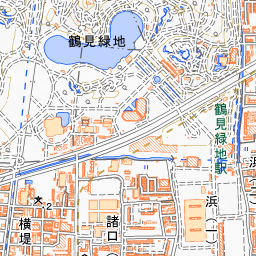
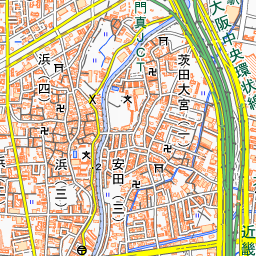

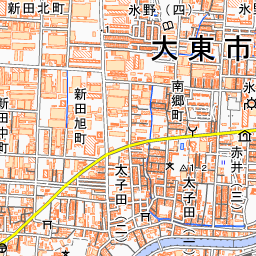
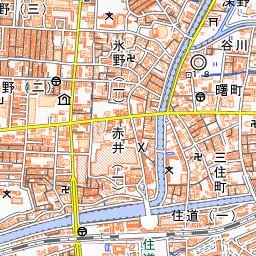
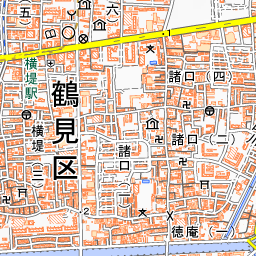
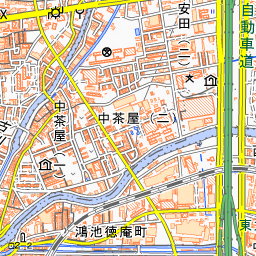
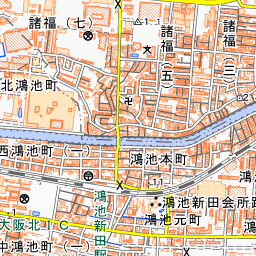
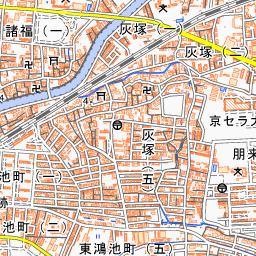
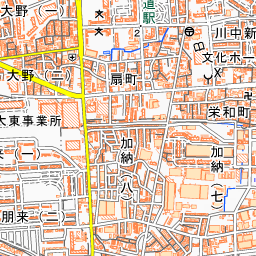
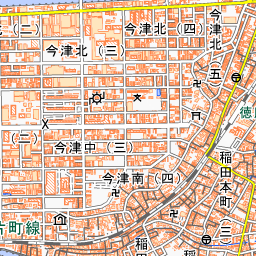
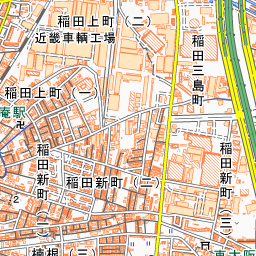
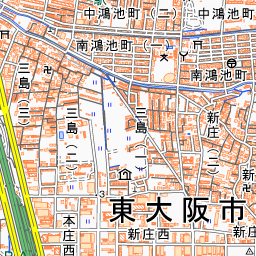
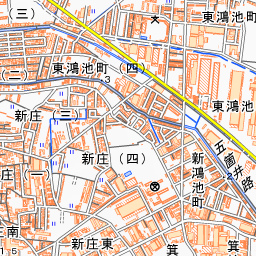
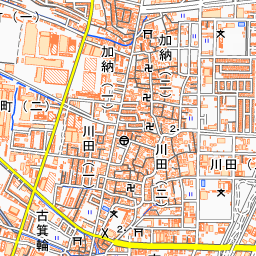
Spot location © OpenStreetMap contributors (ODbL)
Open in Google MapsUse asobot while you walk
- See where you are on the map and find spots nearby
- Listen to the guide's audio in course order, one after another (with subtitles)
- Walk to the next spot while following the map
Open on your phone
Scan to open this spot in asobot on your phone.