 ✨ AI Generated
Former Bank of Japan Hiroshima Branch
Japanese: 旧日本銀行広島支店
Naka Ward, Hiroshima
This information was written by AI and may contain mistakes. Please check official sources for opening hours, fees, and other details before you go.
Found a mistake? Let us know with “✏️ Something's wrong” on this spot's screen in asobot →
🎧 Audio guide(1:05)
In short
The Former Bank of Japan Hiroshima Branch is a building where the Bank of Japan's branch was newly constructed and relocated in 1936, in what is now Fukuromachi, Naka Ward. On August 6, 1945, it was exposed to the atomic bombing approximately 380 meters from the hypocenter. The sturdy building and its vaults survived, and payment operations resumed on August 8, just two days after the bombing. Today, it is managed by Hiroshima City and is open to the public as a venue for artistic and cultural activities.
- Atrium Banking Hall: You can still see the grand banking hall, with an open atrium spanning the first and second floors
- Underground Vault: A vault surrounded by robust walls. Remaining intact even after the bombing, the vault supported the resumption of business two days later
- Original Details from Construction: Elements dating back to its construction still remain, such as the parquet flooring in the branch manager's office and the copper frames of the skylights
History and Highlights
The Former Bank of Japan Hiroshima Branch is a building where the Bank of Japan's branch was newly constructed and relocated in 1936 to what is now Fukuromachi, Naka Ward. It was designed by the architect Nagano Uheiji, who worked in the Bank of Japan's Temporary Architecture Department, and is considered to be one of his final works. It is a Classical style building featuring a symmetrical facade lined with Grecian-style columns.
On August 6, 1945, the building was exposed to the atomic bombing approximately 380 meters from the hypocenter. Because the shutters on the first and second floors were closed, the interior escaped major destruction. However, the third floor, where the shutters were open, burned, and people inside the building also fell victim. Nevertheless, the sturdy building and its vaults survived, and payment operations resumed on August 8, just two days after the bombing. Other financial institutions in the city that had been affected by the disaster also set up temporary offices here.
In 1992, the branch was relocated, bringing an end to its role as a bank. In 2000, it was designated as an Important Tangible Cultural Property by Hiroshima City. Today, it is managed by Hiroshima City and is open to the public as a venue for artistic and cultural activities.
Highlights for Viewing & Experience
- Atrium Banking Hall: The grand banking hall, with an open atrium spanning the first and second floors, was originally built to let in light through a steel-frame and glass roof. Even today, you can still observe this spacious area characteristic of a bank.
- Underground Vault: In the basement, there is a vault surrounded by robust walls. Remaining intact even after the bombing, the vault supported the resumption of business two days later. An exhibition room is also located on the first basement floor.
- Original Details from Construction: Elements dating back to its construction still remain, such as the parquet flooring in the branch manager's office and the copper frames of the skylights. Take a close look at these architectural details of the building that endured the atomic bombing.
Walking Tips
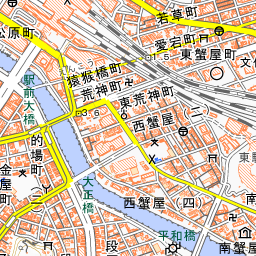
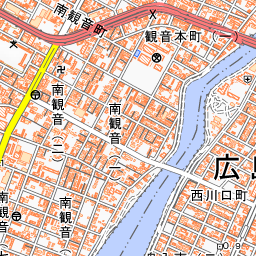
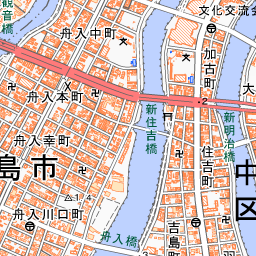
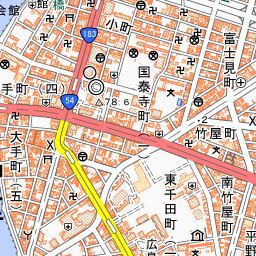
The building is located in Fukuromachi, close to Hiroshima's central downtown district. Nearby is the Fukuromachi Elementary School Peace Museum, another A-bombed building; visiting both together will allow you to feel more deeply what these surviving structures convey today. It is also within walking distance of the Atomic Bomb Dome, Hiroshima Peace Memorial Park, and Hiroshima Peace Memorial Museum, making it a recommended addition to a walking route for learning about peace. The interior maintains a calm atmosphere, so please enjoy your visit quietly.

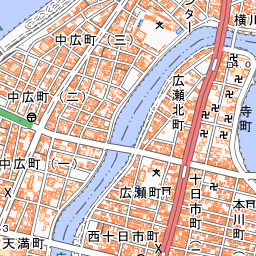
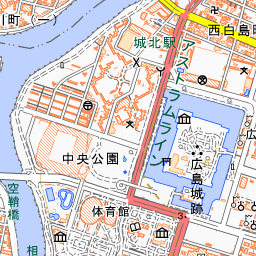
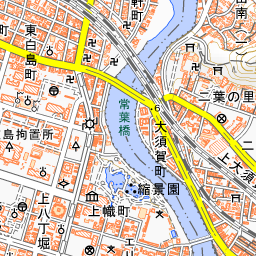
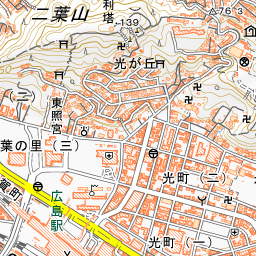
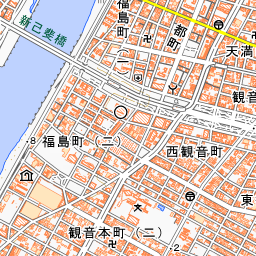
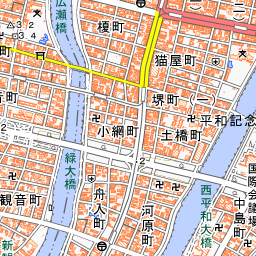
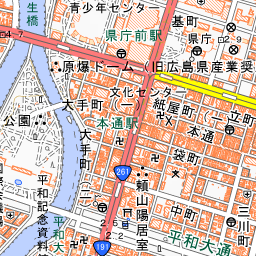
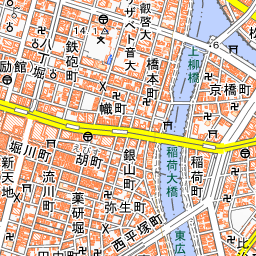
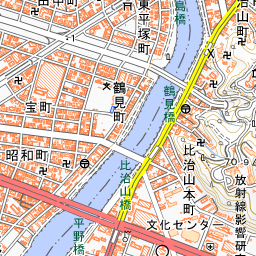

Spot location © OpenStreetMap contributors (ODbL)
Open in Google MapsGuides that include this spot (1)
Use asobot while you walk
- See where you are on the map and find spots nearby
- Listen to the guide's audio in course order, one after another (with subtitles)
- Walk to the next spot while following the map
Open on your phone
Scan to open this spot in asobot on your phone.