 ✨ AI Generated
Haneda Airport Terminal 3 Observation Deck
Japanese: 羽田空港第3ターミナル展望デッキ
Ota City, Tokyo
This information was written by AI and may contain mistakes. Please check official sources for opening hours, fees, and other details before you go.
Found a mistake? Let us know with “✏️ Something's wrong” on this spot's screen in asobot →
🎧 Audio guide(0:51)
In short
The Haneda Airport Terminal 3 Observation Deck is an observation deck located on the 5th floor of Haneda Airport Terminal 3. Visitors can view planes taking off and landing up close, and watch aircraft from various countries coming and going. Haneda Airport has four runways, with airplanes taking off and landing one after another.
- Control Tower Right in Front: Seeing the control tower directly in front of the deck is a view unique to Terminal 3.
- Tokyo Tower and Tokyo Skytree: From this scenic deck, Tokyo Tower and Tokyo Skytree are also visible.
- Edo Townscape and Nihonbashi: You can also take a walk through Edo Koji on the 4th floor and cross Haneda Nihonbashi, an all-cypress bridge connecting the 4th and 5th floors.
History and Highlights
The Haneda Airport Terminal 3 Observation Deck is located on the 5th floor of Haneda Airport Terminal 3. This terminal opened in 2010 as the International Terminal. On March 14, 2020, its name was changed to "Terminal 3."
Haneda Airport has four runways, where airplanes take off and land one after another. From the deck, you can watch these takeoffs and landings up close. As an international terminal, another delight is seeing aircraft from many different countries. Having the control tower directly in front of you is a special feature of Terminal 3. The view is expansive, allowing you to see Tokyo Tower and Tokyo Skytree as well.
Haneda's aviation history began in 1931 with the opening of Tokyo Airfield. Haneda was originally a monzenmachi (temple/shrine gate town) of Anamori Inari-jinja Shrine. The airfield was built on the north side of the shrine. August 25, the day Tokyo Airfield opened, serves as the anniversary of the opening of today's Haneda Airport.
Viewing and Experience Points
- Airliners from Around the World: As an international terminal, airplanes from various countries come and go right before your eyes. Comparing the differences in colors and designs of the fuselages is also an enjoyable way to spend time.
- Night View: At night, a nightscape like scattered jewels spreads out. Airplanes moving through the lights of the runways present an appearance quite different from daytime.
- Passage Leading to the Deck: In the "TIAT Sky Road," the walkway leading from the 5th floor's Festival Plaza (Omatsuri Hiroba) to the deck, model planes of airlines operating international flights are lined up. In the Festival Plaza, wooden plaques resembling ema (votive tablets) with written wishes are displayed.
Walking Tips
The deck is furnished with benches and tables, so you can sit down and watch the airplanes at your leisure. After enjoying the deck, try heading down to the 4th floor below. On the 4th floor, there is "Edo Koji," a recreation of an Edo period townscape crafted by modern master artisans using traditional Japanese construction methods. Connecting the 4th and 5th floors is "Haneda Nihonbashi," built entirely from Yoshino cypress. It was restored based on the early 19th-century Nihonbashi at half its original length and width. If you have time, consider taking the Keihin Kyuko line from Haneda Airport Terminal 3 Station for about 4 minutes (two stops) to Anamori-inari Station. At Anamori Inari-jinja Shrine, about a 3-minute walk from the station, you can connect with the history of Haneda before the airfield was built.

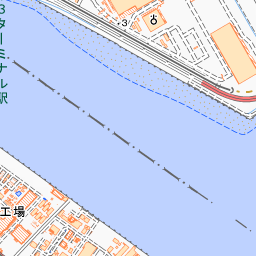
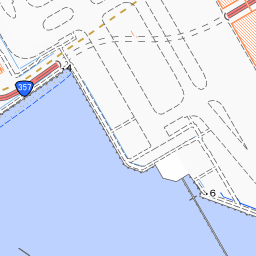
Spot location © OpenStreetMap contributors (ODbL)
Open in Google MapsUse asobot while you walk
- See where you are on the map and find spots nearby
- Listen to the guide's audio in course order, one after another (with subtitles)
- Walk to the next spot while following the map
Open on your phone
Scan to open this spot in asobot on your phone.