 ✨ AI Generated
East Gardens of the Imperial Palace
Japanese: 皇居東御苑
Chiyoda City, Tokyo
This information was written by AI and may contain mistakes. Please check official sources for opening hours, fees, and other details before you go.
Found a mistake? Let us know with “✏️ Something's wrong” on this spot's screen in asobot →
🎧 Audio guide(1:07)
In short
The East Gardens of the Imperial Palace are affiliated gardens of the Imperial Palace, created by developing parts of the former Edo Castle's honmaru (main enclosure), ninomaru (second enclosure), and sannomaru (third enclosure), and have been open to the public since 1968. The gardens cover about 210,000 square meters, and you can stroll through gardens and mixed woodland alongside historical Edo Castle sites, such as the castle tower base and guardhouses.
- Tenshudai (Castle Tower Base): After the castle tower burned down in the Great Fire of Meireki, only the stone foundation was rebuilt the following year, and the tower itself was never reconstructed.
- Former Site of the Matsu no O-roka (Great Pine Corridor): The location where the incident occurred that triggered the famous raid known as "Chushingura."
- Ninomaru Garden: A strolling garden built based on garden drawings from around the mid-18th century, featuring an iris garden planted with 84 varieties of Japanese iris in the Ninomaru area.
History and Highlights
The East Gardens of the Imperial Palace are gardens affiliated with the Imperial Palace, created by developing parts of the honmaru, ninomaru, and sannomaru of former Edo Castle, spanning an area of about 210,000 square meters. They have been open to the general public since October 1, 1968, except when imperial court functions take place.
The honmaru is where magnificent palace buildings stood during the Edo period, and is now an expansive lawn. It features the remains of the O-oku (inner palace), which was located deepest within the palace complex, as well as the site of the Great Pine Corridor, once adorned with painted sliding screens of pine trees. In 1701, Lord Asano Takumi-no-kami Naganori of Ako suddenly attacked Kira Kozukenosuke Yoshihisa with a blade in this corridor—an incident that sparked the famous raid known as "Chushingura."
For details regarding The Museum of the Imperial Collections, Sannomaru Shozokan, located near Ote-mon Gate, please refer to its guide.
Points of Interest
- Tenshudai (Castle Tower Base): A massive stone base built to support the castle tower. Completed in 1638 during the reign of the third shogun, Tokugawa Iemitsu, the tower was completely destroyed in the Great Fire of Meireki in 1657. Although only the stone base was rebuilt the following year, the proposal by Hoshina Masayuki, uncle of the fourth shogun Tokugawa Ietsuna—who argued that "a castle tower is unnecessary in an era where peace is maintained"—was accepted, and the tower was never rebuilt. A scale model reconstructing the Kan'ei-era tower is on display within the grounds. The actual tower, together with its stone base, stood about 60 meters high, making it the tallest castle tower in Japan.
- Hyakunin Bansho and Other Guardhouses: A bansho was a security guardhouse. The Hyakunin Bansho (100-man guardhouse), located in front of the Naka-no-mon Gate leading to the honmaru, measures 45 meters from north to south. Four squads of one hundred musketeers—the Koga-gumi, Iga-gumi, Negoro-gumi, and Nijugoki-gumi—served here on alternating day and night shifts. On the roof tiles of the Doshin Bansho guardhouse, one can see the hollyhock crest of the Tokugawa shogunal family and the chrysanthemum crest of the Imperial Family.
- Ninomaru Garden and Mixed Woodland: The current strolling garden was constructed for the 1968 public opening, referencing garden drawings from around the mid-18th century. The iris garden is planted with 84 varieties of Japanese iris. The Ninomaru mixed woodland was created at the initiative of Emperor Showa.
Tips for Strolling
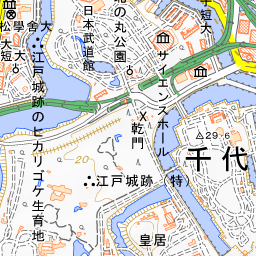
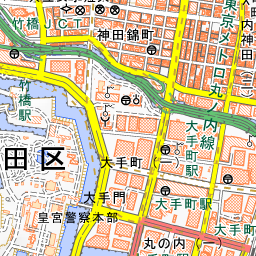
There are three entrances/exits: Ote-mon Gate, Hirakawa-mon Gate, and Kitahanebashi-mon Gate. You will receive an entry token upon admission and return it when leaving. Ote-mon Gate is about a 5-minute walk from Exit C13a of Otemachi Station, while Takebashi Station is closest to Hirakawa-mon Gate and Kitahanebashi-mon Gate. If you enter through Ote-mon Gate, you can view the Hyakunin Bansho, proceed to the honmaru, and walk to the castle tower base located at the northernmost part of the honmaru. The site where the Daidokoro-mae Sanju-yagura (kitchen front three-story turret) once stood is now an observation deck overlooking the Ninomaru and the high-rise buildings in the Otemachi direction. Beyond Kitahanebashi-mon Gate lies Kitanomaru Park. As there are closed days, please check the Imperial Household Agency's calendar before visiting.
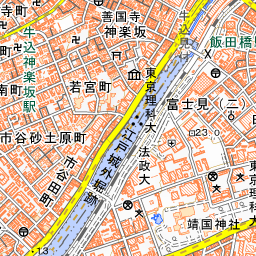

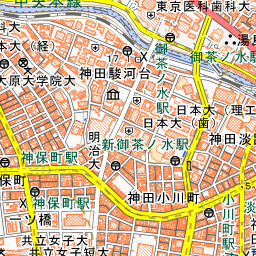
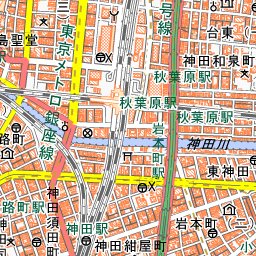

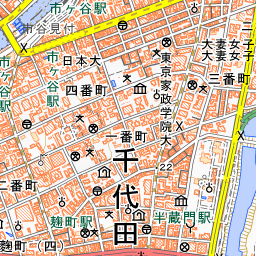
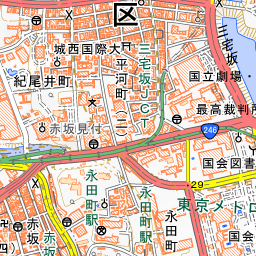
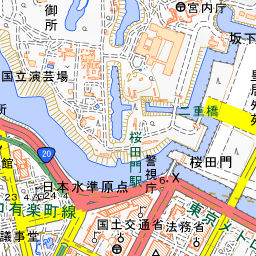
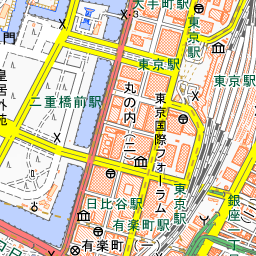
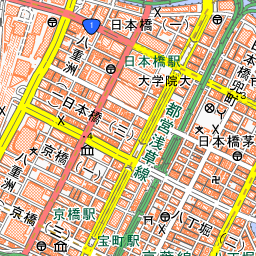
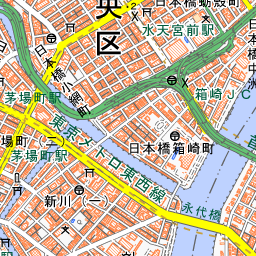
Spot location © OpenStreetMap contributors (ODbL)
Open in Google MapsGuides that include this spot (1)
Use asobot while you walk
- See where you are on the map and find spots nearby
- Listen to the guide's audio in course order, one after another (with subtitles)
- Walk to the next spot while following the map
Open on your phone
Scan to open this spot in asobot on your phone.