 ✨ AI Generated
Kuboso Memorial Museum of Arts, Izumi
Japanese: 和泉市久保惣記念美術館
Izumi, Osaka
This information was written by AI and may contain mistakes. Please check official sources for opening hours, fees, and other details before you go.
Found a mistake? Let us know with “✏️ Something's wrong” on this spot's screen in asobot →
🎧 Audio guide(1:10)
In short
A municipal museum in Izumi that opened in October 1982, housing approximately 13,000 items and focusing primarily on antique East Asian art, including paintings, calligraphy, and crafts from Japan and China. Following the closure of "Kuboso," which operated in the cotton industry for approximately 100 years from the Meiji period onward, the third Sotaro donated art pieces, the building, the grounds, and a fund to Izumi City, and the museum opened bearing a name honoring the donors.
- National Treasure Celadon and Masterpiece Calligraphy and Paintings: The museum houses two National Treasures: the Southern Song dynasty Chinese celadon "Vase with Phoenix Handles" named "Bansei" and the Heian-period "Kasen Uta-awase." There are also paintings such as "Koboku Meigekizu" painted by Miyamoto Musashi
- Western Art and Ukiyo-e: The new annex exhibits Chinese crafts and modern Western art. The museum houses pieces such as Monet's "Water Lilies" and Rodin's "The Thinker," and it also holds approximately 6,000 ukiyo-e woodblock prints by artists such as Hokusai and Hiroshige
- Teahouses and Gardens: Soan and Chosentei, located in the garden of the main building, are teahouses built by the second Sotaro as replicas of Fushin'an and Zangetsutei of the Omotesenke school, and are national Registered Tangible Cultural Properties. Soan is not open to the public
History and Highlights
Kuboso Memorial Museum of Arts, Izumi is a municipal museum in Izumi that opened in 1982. It houses approximately 13,000 items, focusing primarily on antique East Asian art, including paintings, calligraphy, and crafts from Japan and China.
"Kuboso" was one of the leading enterprises in the Senshu region. Founded in 1886 by the first Kubo Sotaro, it operated in the cotton industry for approximately 100 years from the Meiji period onward. Following the closure of the business in 1977, the third Sotaro, representing the family, donated art pieces, the museum building, the grounds, and a fund to Izumi City with the desire to contribute to the development of local culture and give back to the community. The museum opened in October 1982 on the site of the former primary residence of the Kubo family, bearing a name honoring the donors. Afterward, additional facilities such as a new annex and a music hall were also donated, leading to the current grounds covering about 5,000 tsubo (approx. 16,500 square meters).
The core of the collection is the "First Kuboso Collection," comprising roughly 500 works of antique East Asian art donated at the museum's opening. This includes two National Treasures—the Southern Song dynasty Chinese celadon "Vase with Phoenix Handles" named "Bansei" and the Heian-period "Kasen Uta-awase"—as well as 29 Important Cultural Properties. The collection is put on public display through rotating exhibitions.
Highlights & Experience Points
- National Treasure Celadon and Masterpiece Calligraphy and Paintings: The National Treasure celadon vase is a masterwork handed down through the Tokugawa shogun family and the Imperial Family. Paintings include picture scrolls from the Kamakura period, such as the "Tales of Ise Picture Scroll (Ise Monogatari Emaki)" and "Komakurabe Gyoko Emaki", as well as "Koboku Meigekizu" painted by Miyamoto Musashi. Masterpieces, mainly National Treasures and Important Cultural Properties, are featured in a special exhibition once a year.
- Western Art and Ukiyo-e: The gallery in the annex exhibits Chinese crafts and modern Western art. Housing pieces such as Monet's "Water Lilies" and Rodin's "The Thinker," it is one of the few facilities in Osaka where Western paintings can be appreciated year-round. It also houses approximately 6,000 ukiyo-e woodblock prints by artists such as Hokusai, Hiroshige, Utamaro, and Sharaku.
- Teahouses and Gardens: Soan and Chosentei, located in the garden of the main building, are teahouses built by the second Sotaro as replicas of Fushin'an and Zangetsutei of the Omotesenke school. They were registered as national Registered Tangible Cultural Properties in 2006, and the tea garden was also designated as a Registered Monument in 2021. Soan is not open to the public. The grounds feature a lush green garden where visitors can relax alongside their art viewing.
Tips for Visiting
Visitor reception is located in the new annex. The premises also include a civic hall (Ei Hall) and a civic gallery, where concerts and citizen art exhibitions are held. In the surrounding area, there is the Matsuo River Promenade, and the Izumi City Izuminokuni History Museum, about a 10-minute walk from the museum, introduces cultural properties such as the Ikegami Sone Ruins. The museum is located right next to the "Bijutsukan-mae" bus stop, which is about a 10-minute ride by Nankai Bus from Izumi-Chuo Station on the Nankai Semboku Line.
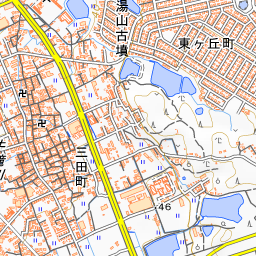
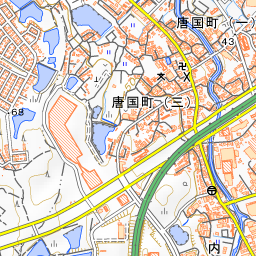

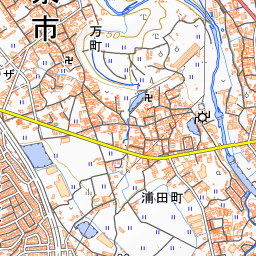
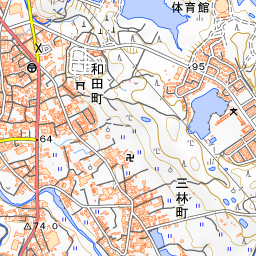
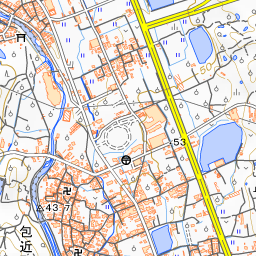
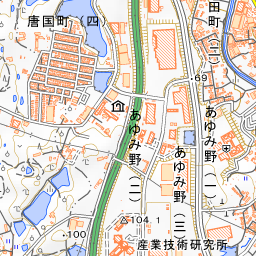
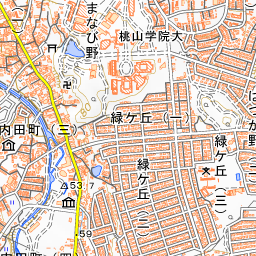
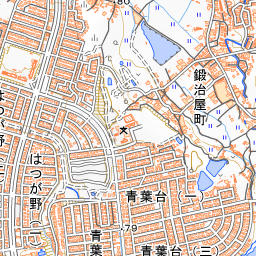
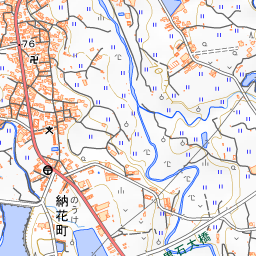
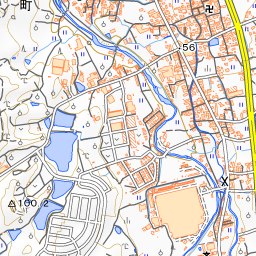
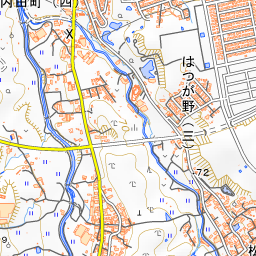
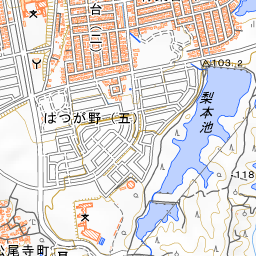
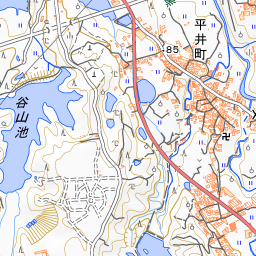
Spot location © OpenStreetMap contributors (ODbL)
Open in Google MapsGuides that include this spot (1)
Use asobot while you walk
- See where you are on the map and find spots nearby
- Listen to the guide's audio in course order, one after another (with subtitles)
- Walk to the next spot while following the map
Open on your phone
Scan to open this spot in asobot on your phone.