 ✨ AI Generated
Minoo Park Insect Museum
Japanese: 箕面公園昆虫館
Minoh, Osaka
This information was written by AI and may contain mistakes. Please check official sources for opening hours, fees, and other details before you go.
Found a mistake? Let us know with “✏️ Something's wrong” on this spot's screen in asobot →
🎧 Audio guide(1:00)
In short
A facility introducing insects, located within the Osaka Prefectural Minoo Park. It opened in 1953 when the "Minoo Sightseeing Exposition" was held, and underwent a full renovation in 2017. Along with Takao in Tokyo and Kibune in Kyoto, the forest of Minoo was once called one of "Japan's Three Great Insect Treasuries," and inside, the museum exhibits specimens and live insects, ranging from familiar insects to foreign species.
- The Butterfly Garden Where Butterflies Flutter Year-Round: Numerous butterflies flutter year-round, from species living around Minoo to subtropical species, and visitors can also encounter butterflies that can only be found in the Nansei Islands, such as Okinawa
- Exhibits on Minoo Insects and Classification: There are exhibition rooms introducing insects living around Minoo, as well as an exhibition room where visitors can learn about insect classification, and live insects from the Nansei Islands and overseas, as well as Japanese aquatic insects, can be seen up close
- Initiatives to Protect Rare Butterflies: Since fiscal year 2018, upon request from the Ministry of the Environment, the museum has participated in a conservation and breeding program for the Tsushima uraboshi shijimi. After mating work is completed, it is sometimes shown to the public in the Butterfly Garden
History and Highlights
Minoo Park Insect Museum is a facility introducing insects, located within the Osaka Prefectural Minoo Park. It opened in 1953 in a single-story wooden building when the Minoo Sightseeing Exposition was held in Minoo Park. Along with Takao in Tokyo and Kibune in Kyoto, the forest of Minoo was once called one of "Japan's Three Great Insect Treasuries," and entomologists from Japan and abroad have been active here since the early Meiji period.
In 1981, it was rebuilt as a two-story reinforced concrete structure, and a butterfly greenhouse was added at that time. The Butterfly Garden was completed in 1992, and the museum underwent a full renovation in 2017. Inside, the museum exhibits and explains specimens and live insects, ranging from familiar insects to distant foreign species.
Viewing and Experience Highlights
- The Butterfly Garden Where Butterflies Flutter Year-Round: In the Butterfly Garden, numerous butterflies flutter year-round, from species living around Minoo to subtropical species, and plants of the four seasons can also be observed. Visitors can also encounter butterflies that can only be found in the Nansei Islands, such as Okinawa.
- Exhibits on Minoo Insects and Classification: There are exhibition rooms introducing insects living around Minoo, as well as an exhibition room where visitors can learn about insect classification. There are also exhibits of live insects, allowing close-up views of insects centered on the Nansei Islands, overseas species, and Japanese aquatic insects.
- Initiatives to Protect Rare Butterflies: Since fiscal year 2018, upon request from the Ministry of the Environment, the museum has participated in a conservation and breeding program for a butterfly called the Tsushima uraboshi shijimi. This butterfly is now rarely seen in the wild, and after mating work is completed, it is sometimes shown to the public in the Butterfly Garden.
Walking Tips
It is about a 15-minute walk, or approximately 1 kilometer, from Hankyu Minoo Station. Walking from in front of the station along the street lined with souvenir shops leads directly onto the riverside promenade in the park, beyond which lies the museum. There is no parking within the park or at the museum, and vehicles, including bicycles, are not permitted inside the park, except for authorized vehicles. Continuing up the Takimichi Path for about 30 minutes from the museum brings you to Minoo Falls, so stopping by on the way to the falls is recommended. Ryuan-ji Temple is located just to the north, allowing you to visit both together.
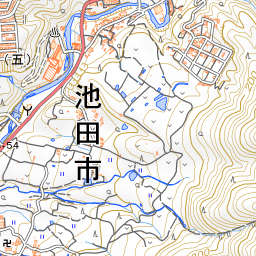
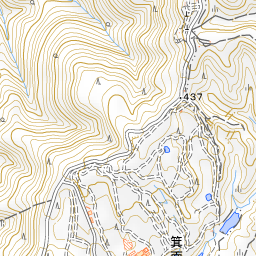
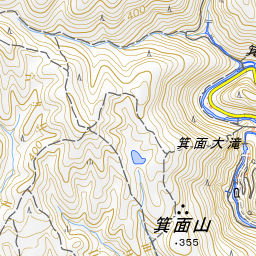
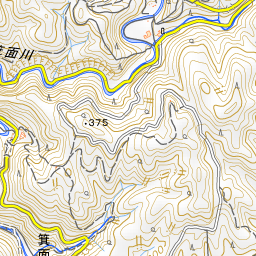
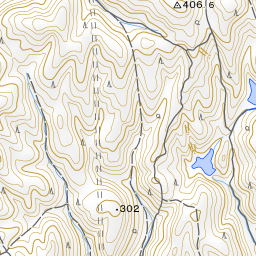
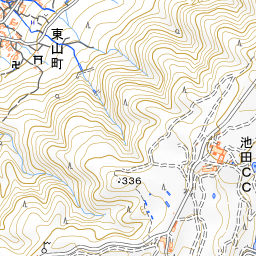
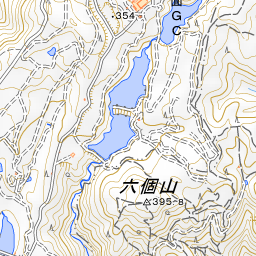
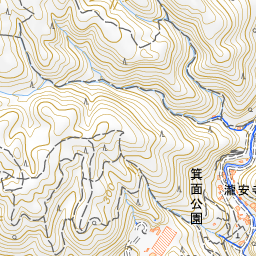

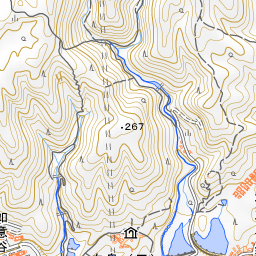

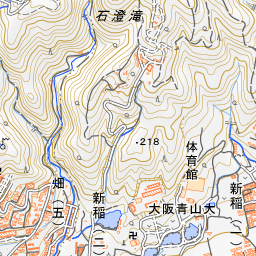
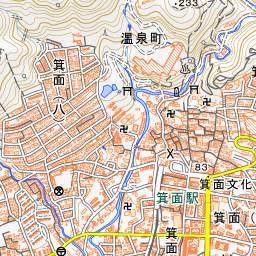
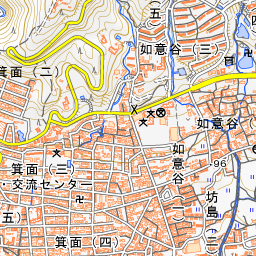
Spot location © OpenStreetMap contributors (ODbL)
Open in Google MapsUse asobot while you walk
- See where you are on the map and find spots nearby
- Listen to the guide's audio in course order, one after another (with subtitles)
- Walk to the next spot while following the map
Open on your phone
Scan to open this spot in asobot on your phone.