 ✨ AI Generated
Meiji Jingu Gaien Ginkgo Avenue
Japanese: 明治神宮外苑いちょう並木
Minato City, Tokyo
This information was written by AI and may contain mistakes. Please check official sources for opening hours, fees, and other details before you go.
Found a mistake? Let us know with “✏️ Something's wrong” on this spot's screen in asobot →
🎧 Audio guide(1:04)
In short
Meiji Jingu Gaien Ginkgo Avenue is a 300-meter-long tree-lined avenue leading from Aoyama-dori Avenue to the Meiji Jingu Seitoku Memorial Picture Gallery. A total of 146 ginkgo trees stand in four rows, and the vista of these large trees looking toward the gallery is known worldwide. It was designed using perspective so that the gallery appears beautifully at the end of the avenue.
- Perspective Avenue: The trees were planted from the Aoyama entrance in descending order of height, and the ground also slopes downward by about 1 meter toward the gallery side.
- Trees Born in Shinjuku Gyoen: Seeds collected from ginkgo trees in Shinjuku Gyoen National Garden in 1908 were sown, and the trees were selected and planted from among those raised.
- Appearances Across the Four Seasons: Their appearance changes throughout the year, with budding in spring, green leaves in summer, golden foliage in autumn, and bare branches in winter.
History and Highlights
Meiji Jingu Gaien Ginkgo Avenue is a tree-lined avenue stretching from the Aoyama entrance on Aoyama-dori Avenue to the circular road that surrounds the central plaza of the Gaien. It is 300 meters long, with 146 ginkgo trees arranged in four rows at 9-meter intervals. These 146 trees also include two rows that branch off to the west partway through and head toward the Chichibunomiya Rugby Stadium. The landscape of the large ginkgo trees looking toward the gallery is known worldwide.
Meiji Jingu Gaien was constructed by the Meiji Jingu Hosankai, an association formed by private volunteers, through donations gathered from the public. It was dedicated to Meiji-jingu Shrine on October 22, 1926. The avenue was designed by Orishimo Yoshinobu, who was regarded as a master of modern Japanese landscape architecture. He was the chief engineer at the time the Gaien was built.
The avenue's ginkgo trees originated from seeds collected in 1908 from trees at Shinjuku Gyoen National Garden. The seeds were sown in a nursery on imperial estate land that was located within what is now Meiji-jingu Shrine. From among 1,600 trees that grew to about 6 meters tall, trees were selected, pruned into shape every year, and then planted. The avenue was completed in 1923. Ginkgo was chosen because of its abundant greenery, dignified presence, and resilience to pollution.
The avenue was designed with perspective principles. The trees are planted in order from the tallest down a gentle slope from the Aoyama entrance. The ground also drops about 1 meter from the Aoyama entrance toward the gallery. In this way, the Meiji Jingu Seitoku Memorial Picture Gallery is made to look beautiful at the end of the avenue. The avenue has also been selected as one of the "New 100 Views of Japan's Roadside Trees."
Highlights of Appreciation and Experience
- Uniformly Shaped Trees: Once every four years, between January and March when there are no leaves, the trees are pruned into a triangular conical shape. Because of this, the well-formed trees appear to stand in neat alignment.
- Appearances Across the Four Seasons: Their appearance changes throughout the year, with budding in spring, green leaves in summer, golden foliage in autumn, and bare branches in winter.
- Fully Grown Ginkgos: Today, the tallest tree has grown to 28 meters, and even the shortest tree has reached 17.1 meters.
- Branches That Traveled to Germany: Around the time Germany's parliament and government moved from Bonn to Berlin, as a commemorative event, branches from this avenue were grafted onto an old ginkgo tree at Humboldt University in Berlin. This event was referred to as the "Japan-Germany Ginkgo Wedding of the Century."
Walking Tips
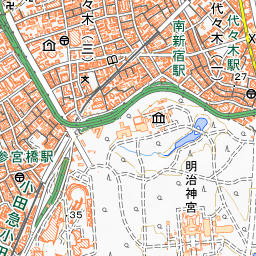
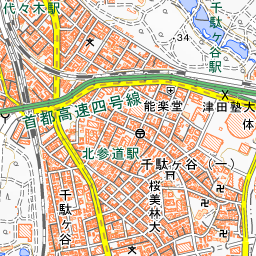
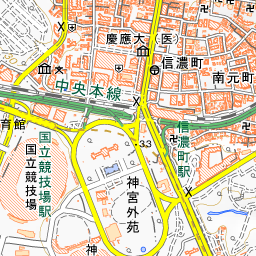
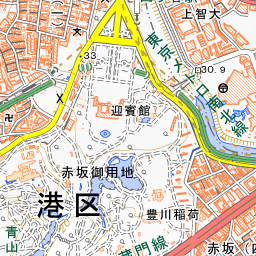
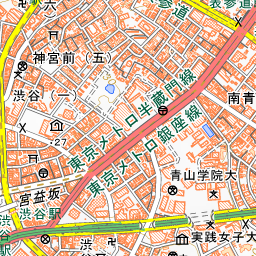
It is about a 3-minute walk from Gaienmae Station and about a 6-minute walk from Aoyama-itchome Station on the Tokyo Metro. If you begin walking from the Aoyama entrance on Aoyama-dori Avenue, you can proceed while looking ahead toward the picture gallery at the end of the avenue. At the Aoyama entrance stands a stone monument called "Meiji Jingu Gaien-no-Ki," which describes the origins of the Gaien's construction. Beyond the circular road at the end of the avenue stands the Meiji Jingu Seitoku Memorial Picture Gallery. For details on the gallery building and murals, please see the description for the Meiji Jingu Seitoku Memorial Picture Gallery. Sibling trees grown from the same seeds are also planted in various locations around the Gaien and Meiji-jingu Shrine, such as the street-tree lined avenue in front of JR Sendagaya Station.

Guides that include this spot (1)
Use asobot while you walk
- See where you are on the map and find spots nearby
- Listen to the guide's audio in course order, one after another (with subtitles)
- Walk to the next spot while following the map
Open on your phone
Scan to open this spot in asobot on your phone.