 ✨ AI Generated
Tokyo Port Wild Bird Park
Japanese: 東京港野鳥公園
Ota City, Tokyo
This information was written by AI and may contain mistakes. Please check official sources for opening hours, fees, and other details before you go.
Found a mistake? Let us know with “✏️ Something's wrong” on this spot's screen in asobot →
🎧 Audio guide(1:03)
In short
Tokyo Port Wild Bird Park faces the Port of Tokyo and is dedicated to wild birds. It began through the efforts of local residents seeking to protect the ponds and grasslands that naturally formed on reclaimed land, which attracted wild birds. Around 120 species of wild birds are observed here throughout the year. In 2018 (Heisei 30), new tidal flats were developed, bringing the park's total area to 36 hectares.
- Shioiri-no-ike (Tidal Pond): A pond connected to the sea where sandpipers, plovers, and their relatives gather when the tide recedes and the tidal flats appear.
- Nature Center: From this three-story building, visitors can look out over the park and observe wild birds using the installed telescopes.
- Gata-gata Walk: A tidal flat boardwalk in the basement of the Nature Center where creatures of the tidal flats, such as mudskippers, can be observed.
History and Highlights
Since the Edo period, the area around Tokyo Port Wild Bird Park was a shallow sea where fishing flourished. In Omori, high-quality nori seaweed was produced. In the 1960s, this sea was reclaimed for port and factory sites. While waiting for development, grasslands and ponds formed on the reclaimed land, drawing fish, crabs, insects, and wild birds. Local residents launched a movement to protect this revived nature. As a result, Oi Wharf No. 7 Park was completed in 1978 (Showa 53) and was renamed "Tokyo Port Wild Bird Park" in 1983 (Showa 58). In 1989 (Heisei 1), the park was expanded, and the Nature Center opened.
The park encompasses various environments, including the sea-connected Shioiri-no-ike pond, reed beds, freshwater ponds, streams, and forests. It is visited by waterbirds such as sandpipers, plovers, and ducks, as well as small birds and northern goshawks, with around 120 species of wild birds observed annually. In 2000 (Heisei 12), it joined an international network as an important habitat for sandpipers and plovers. In 2018 (Heisei 30), approximately 11 hectares of tidal flats were newly developed to restore flats lost to reclamation, expanding the entire park to 36 hectares.
Viewing and Experience Points
- Tidal Flats of Shioiri-no-ike: The water level of Shioiri-no-ike changes according to the ebb and flow of the tide in Tokyo Bay via water gates. This change tends to lag about 1 to 1.5 hours behind Tokyo Bay. When the tide ebbs and the tidal flats appear, sandpipers and plovers gather seeking ragworms and crabs.
- Birds on Long Journeys: Many sandpipers and plovers are migratory birds that spend the winter in the Southern Hemisphere or the tropics and breed in northern parts of the Northern Hemisphere. During their journeys of several thousand to around 10,000 kilometers, they stop to rest at tidal flats and wetlands. In this park, they are often seen at low tide from April to May and from July to October.
- Tidal Flat Creatures: In the basement of the Nature Center, there is the "Gata-gata Walk," a boardwalk along the tidal flat of Shioiri-no-ike. Visitors can observe mudskippers and other tidal flat wildlife.
Tips for Exploring
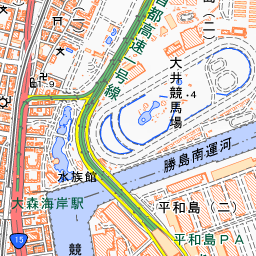
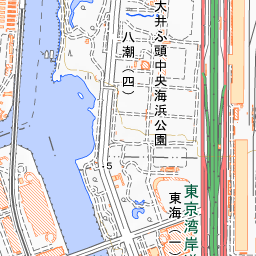
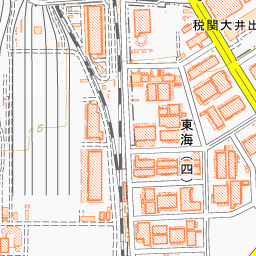
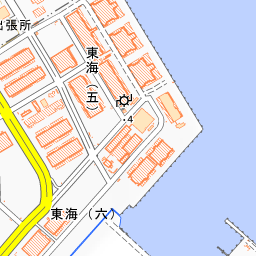
The park is divided into the East Garden, which features the Nature Center, Shioiri-no-ike, and the Maehama tidal flat observation deck, and the West Garden, which has the Nature Learning Center and a lawn square. If it is your first visit, head first to the Nature Center in the East Garden. Taking in the panoramic view from the three-story building and observing through the installed telescopes before walking around the observation blinds allows for an efficient and enjoyable visit. It is a 16-minute ride on the Tokyo Monorail from Haneda Airport to Ryutsu Center Station, followed by about a 15-minute walk from the station, making it easy to visit on your way to or from the airport.
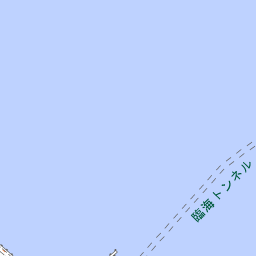
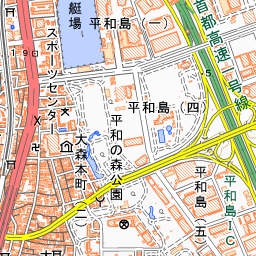
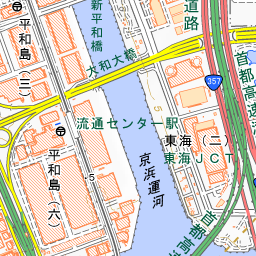
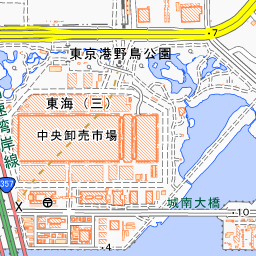
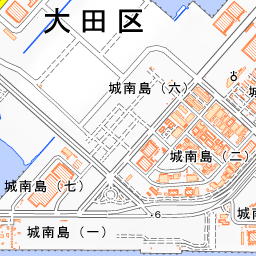
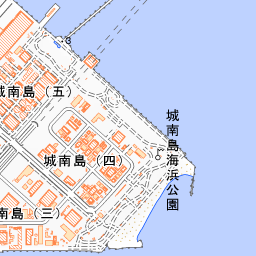
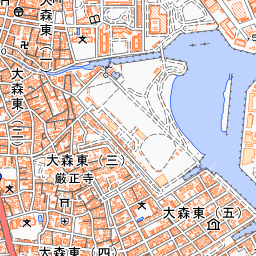
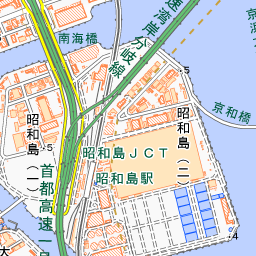
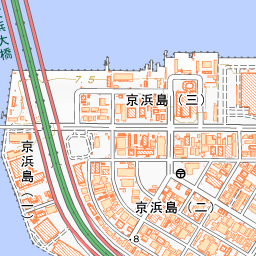
Spot location © OpenStreetMap contributors (ODbL)
Open in Google MapsUse asobot while you walk
- See where you are on the map and find spots nearby
- Listen to the guide's audio in course order, one after another (with subtitles)
- Walk to the next spot while following the map
Open on your phone
Scan to open this spot in asobot on your phone.