 ✨ AI Generated
Takamatsuzuka Kofun Burial Mound
Japanese: 高松塚古墳
Asuka Village, Nara
This information was written by AI and may contain mistakes. Please check official sources for opening hours, fees, and other details before you go.
Found a mistake? Let us know with “✏️ Something's wrong” on this spot's screen in asobot →
🎧 Audio guide(0:56)
In short
Takamatsuzuka Kofun Burial Mound is a two-tiered round burial mound located in Hirata, Asuka Village, built between the end of the 7th century and the beginning of the 8th century. In 1972, Japan's first full-color tumulus murals were discovered inside its stone burial chamber, sparking an archaeology boom across the country. The burial mound is designated as a Special Historic Site, the murals as a National Treasure, and it is one of the component assets of the "Ancient Capitals of Asuka and Fujiwara" World Heritage site.
- Restored Burial Mound: After the stone chamber was removed, the mound was refurbished into the appearance estimated from excavation findings and other research.
- Takamatsuzuka Mural Hall: Located directly west of the mound, where replicas of the murals and a full-scale model of the stone chamber (stone cist) can be viewed.
- Asuka Beauties: The group of female figures depicted on the west wall of the stone chamber features vivid colors and is known by this beloved nickname.
History & Highlights
Takamatsuzuka Kofun Burial Mound is a terminal-period kofun constructed between the late 7th and early 8th centuries, situated on the southwestern slope of a hill between Nakaoyama Kofun Burial Mound and the Mausoleum of Emperor Monmu. The diameter of the mound is about 23 meters on the lower tier and about 18 meters on the upper tier. Its name is thought to originate from the pine trees (matsu) that once grew on top of the mound.
The discovery began around 1962. A villager from Hinokuma, Asuka Village, dug a hole on the south side of the mound to store ginger and found squared cut stones deep inside the hole. Excavation began in March 1972, and on March 21, Japan's first full-color kofun murals were discovered, setting off an archaeological boom throughout Japan. In 1973, the mound was designated a Special Historic Site, and in 1974, the murals were designated a National Treasure. It is also one of the component assets of the "Ancient Capitals of Asuka and Fujiwara" World Heritage site.
The stone chamber was assembled from 16 blocks of tuff stone. It measures only 2.6 meters in depth, 1.0 meter in width, and 1.1 meters in height. On the plaster applied to the walls, the Azure Dragon is depicted to the east, the White Tiger to the west, the Black Tortoise (Genbu) to the north, along with group figures of men and women, and constellations are drawn on the ceiling. It is presumed that the Vermilion Bird (Suzaku) was painted on the south wall, but it did not survive due to tomb robbery.
The murals were damaged by factors such as mold growth, and in 2005 a policy was decided to remove them from the mound together with the stones of the chamber for conservation work. The restoration was completed in fiscal year 2019, but under the current policy, the stones will not be returned to the mound for the time being, continuing preservation and public display. In 2009, the mound from which the stone chamber had been removed was restored and landscaped to reflect its estimated original appearance.
Viewing & Experience Highlights
- Asuka Beauties and the 16 Figures: Both male and female figures are grouped in sets of four, with a total of 16 people painted across the east and west walls. In particular, the female figures on the west wall are richly colored and widely known by the nickname "Asuka Beauties."
- Gold Foil Stars: The stars on the ceiling are represented with round gold foil, and red lines connect the stars to form constellations.
- Sea-Animal and Grape Mirror and Continental Influences: The excavated bronze mirror with beast and grape designs (kaiju budo kyo) was made in China; it attracted significant attention after it was found to have been cast from the same mold as a mirror excavated from a Tang dynasty tomb in Xi'an. The murals inside the stone chamber also show evident influences from Goguryeo and the Tang dynasty.
Tips for Visitors
It is a 12-minute walk from Kintetsu Asuka Station. If you first visit the Takamatsuzuka Mural Hall just west of the mound to see replicas of the murals and the full-scale model of the stone chamber, you can better picture the scale of the chamber once hidden inside the mound. The original murals are not kept inside the mound, but are opened for public viewing several times a year.
Heading north for about 210 meters will bring you to Nakaoyama Kofun Burial Mound, and traveling south for about 1.2 kilometers leads to Kitora Kofun Burial Mound.
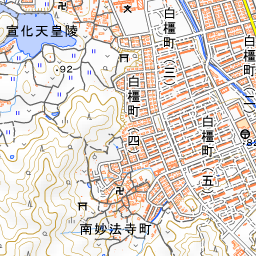
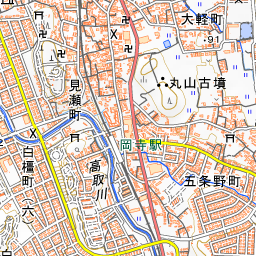
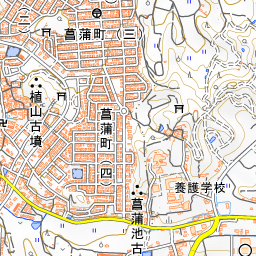

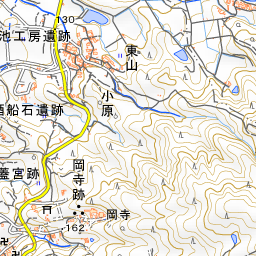
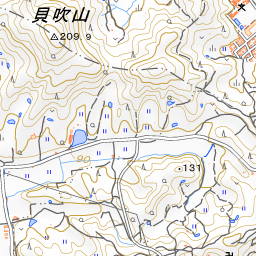
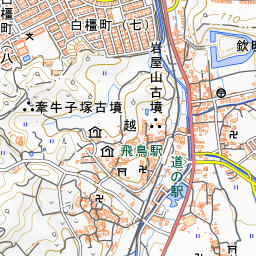
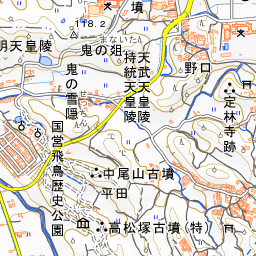
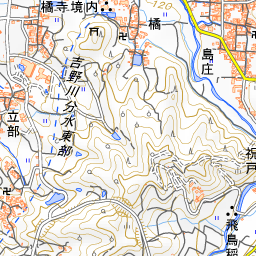
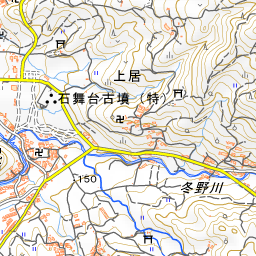
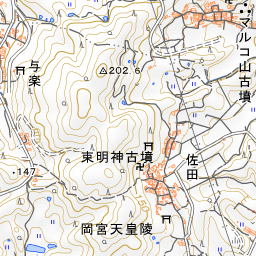
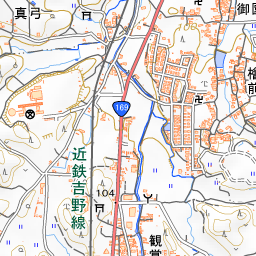
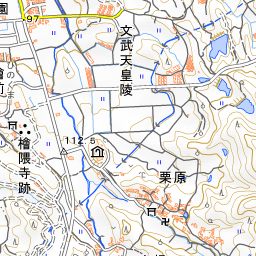
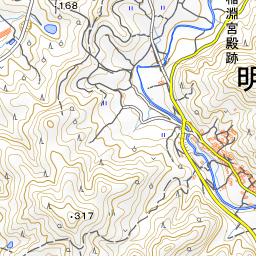
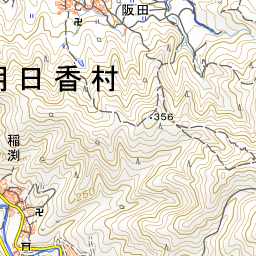
Spot location © OpenStreetMap contributors (ODbL)
Open in Google MapsGuides that include this spot (2)
Use asobot while you walk
- See where you are on the map and find spots nearby
- Listen to the guide's audio in course order, one after another (with subtitles)
- Walk to the next spot while following the map
Open on your phone
Scan to open this spot in asobot on your phone.