 ✨ AI Generated
Ikeda Gofukuza Theater
Japanese: 池田呉服座
Ikeda, Osaka
This information was written by AI and may contain mistakes. Please check official sources for opening hours, fees, and other details before you go.
Found a mistake? Let us know with “✏️ Something's wrong” on this spot's screen in asobot →
🎧 Audio guide(1:10)
In short
A theater dedicated to popular drama, also known as traveling theater (tabi shibai). It was built in 2010 (Heisei 22) right near the site of Gofukuza, a playhouse from the Meiji period, inheriting characteristics of the playhouses of that era, such as its architectural style, family crest, and framed wooden plaques. The original Gofukuza building was reconstructed and opened to the public at Meiji-mura in Aichi Prefecture, and in 1984 (Showa 59), it was designated as an Important Cultural Property of Japan.
- Monthly troupes and daily changing programs: Performances last approximately three hours with an intermission, basically consisting of two parts: Part 1 is a play full of human warmth, and Part 2 is a dance show performed in gorgeous costumes
- Dance shows that can be enjoyed without language: The dance shows cover a wide range of styles, from traditional Japanese dance to dances set to J-pop and Western music, and the onnagata, male actors portraying female roles, are also a highlight
- Unique charms of traveling theater: You can enjoy drinks and light snacks even during the performance, and you are free to enter and leave your seat. After the show, there is an okuridashi (send-off), where the actors, still in costume and makeup, see off the audience
History and Highlights
Ikeda Gofukuza Theater is a theater dedicated to popular drama, also known as traveling theater (tabi shibai). It was built near the site of the former Gofukuza, a playhouse from the Meiji period, inheriting characteristics of the playhouses of that era, such as its architectural style, family crest, and framed wooden plaques.
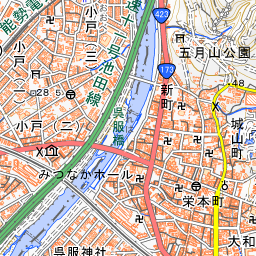
The original Gofukuza was located south of Kurehabashi Bridge along the Inagawa River in Nishihonmachi, Ikeda City. A discount admission ticket from around 1887 inscribed with "Nishinokuchi Ebisuza" was discovered, and it is said that this Ebisuza may have been its predecessor. During a survey for its relocation in 1969, a ritual wooden wand (heisoku) was found bearing the inscription "Ridgepole raised on August 10, Meiji 25 [1892]." While it seems to have also been called "Kurehaza," local residents called it "Gofukuza" from the beginning. Associated with the auspicious meaning of "five fortunes" (gofuku), its crest consists of five otafuku (smiling faces) arranged in a circle.
At Gofukuza, various performing arts were held, including touring kabuki, rakugo (comic storytelling), kodan (storytelling), and manzai (stand-up comedy), and it was also used for political speech meetings by figures such as Ozaki Yukio and Kotoku Shusui. Declining with the rise of film and television, it brought down the curtain after its final performance in May 1969. Two years later, the building was reconstructed and opened to the public at Meiji-mura in Aichi Prefecture, and in 1984, it was designated as an Important Cultural Property of Japan as one of the few surviving buildings that retain the architectural style of Edo-period playhouses.
The current Ikeda Gofukuza Theater was built in 2010 on the former site of Ikeda Chuo Cinema with the cooperation of Ikeda City.
Viewing and Experience Tips
- Monthly troupes and daily changing programs: The performing theater troupes change monthly, and the programs change daily. Performances last approximately three hours with an intermission, basically consisting of two parts: Part 1 is an emotional play filled with laughter and tears, and Part 2 is a dance show performed in gorgeous costumes.
- Dance shows that can be enjoyed without language: The Part 2 dance show covers a wide range of styles, from traditional Japanese dance to dances set to J-pop and Western music. Since it basically does not rely on words, visitors from overseas can also enjoy it. The onnagata—male actors portraying female roles—are also a highlight.
- Unique charms of traveling theater: You can enjoy drinks and light snacks during the performance, and you are free to enter and leave your seat. During dramatic highlights, shouts of praise (kakegoe) come from the audience, and after the show, there is an "okuridashi" (send-off) where actors in full costume and makeup greet departing guests at the exit and lobby.
Walking Tips
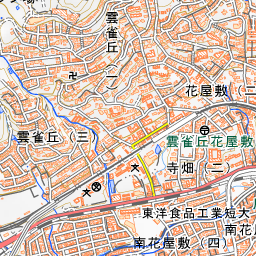
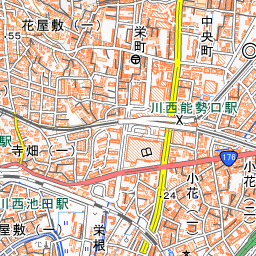
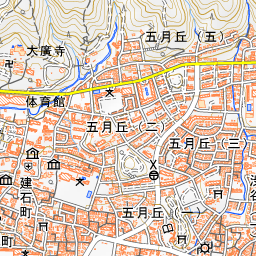
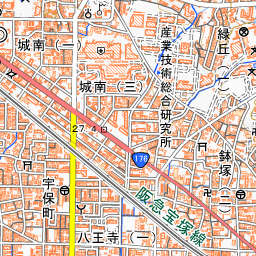
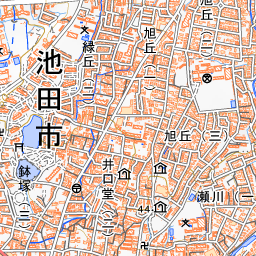
From Ikeda Station on the Hankyu Takarazuka Line, walk through the Sakaehonmachi Shopping Arcade and head west along Honmachi-dori Street for about 10 minutes. The theater has 165 seats, as well as sajiki (traditional tatami box) seating. About 50 meters to the east-northeast is the Rakugo Museum, where you can also experience the connection between Ikeda and the performing arts.

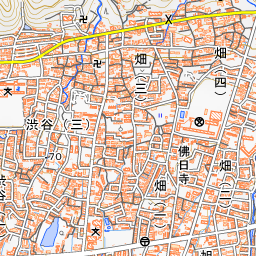
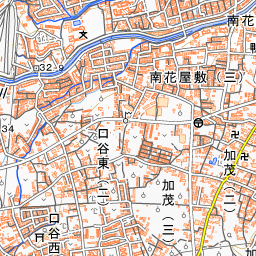
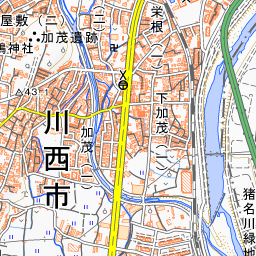
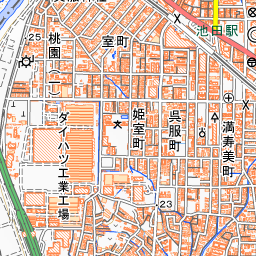
Spot location © OpenStreetMap contributors (ODbL)
Open in Google MapsUse asobot while you walk
- See where you are on the map and find spots nearby
- Listen to the guide's audio in course order, one after another (with subtitles)
- Walk to the next spot while following the map
Open on your phone
Scan to open this spot in asobot on your phone.