 ✨ AI Generated
MAZDA Zoom-Zoom Stadium Hiroshima
Japanese: MAZDA Zoom-Zoom スタジアム広島
Minami Ward, Hiroshima
This information was written by AI and may contain mistakes. Please check official sources for opening hours, fees, and other details before you go.
Found a mistake? Let us know with “✏️ Something's wrong” on this spot's screen in asobot →
🎧 Audio guide(1:02)
In short
MAZDA Zoom-Zoom Stadium Hiroshima is a baseball stadium near Hiroshima Station and the home stadium of the professional baseball team, the Hiroshima Toyo Carp. As the former Hiroshima Municipal Stadium had deteriorated, it was completed as a new ballpark in March 2009. Its municipal facility name is Hiroshima Municipal Stadium, and it is also known as Mazda Stadium for short.
- A stadium opening toward the JR lines: To provide an open-air feel, ventilation, and a sense of unity with the city, the stadium was designed with a large opening toward the JR lines on the north side. You can also get a feel for the stadium from the windows of the Shinkansen and other trains
- A concourse circling the stadium: Behind the last row of the first-floor seating, a wide concourse with no steps lets you circle the stadium while viewing the field
- A variety of seats: From the design stage, seats offering many viewing styles were planned, including field-level sunakaburi seats, box seats, party floors, and terrace seats
History and Highlights
MAZDA Zoom-Zoom Stadium Hiroshima is a baseball stadium located near Hiroshima Station and serves as the home stadium of the professional baseball team, the Hiroshima Toyo Carp. Its municipal facility name is Hiroshima Municipal Stadium; it received its current name after Mazda Motor Corporation acquired the naming rights. It is also commonly known as Mazda Stadium.
The former Hiroshima Municipal Stadium, opened in 1957, had deteriorated after more than 50 years of use. Consequently, a new ballpark was constructed on the former site of a freight rail yard southeast of Hiroshima Station, with completion in March 2009. It has been the home stadium of the Carp since 2009.
It is an open-air ballpark with natural grass and a spectator capacity of 33,000. The field dimensions are 100 meters down the right field line, 101 meters down the left field line, and 122 meters to center field. Starting in the 1980s, the Carp organization sent staff to the United States to inspect and study Major League Baseball stadiums. The team's vision was a ballpark resembling a public plaza—a place where people of all generations, whether interested in baseball or not, could easily visit and interact.
Highlights and Experience
- Stadium Opening toward the JR Lines: To provide an open-air feel, ventilation, and a sense of unity with the city, the stadium was designed with a large opening toward the JR railway lines on the north side. Passersby on the Shinkansen and other trains can also catch glimpses of the stadium interior.
- Concourse Circling the Entire Stadium: Behind the last row of the first-floor seating, there is a wide, barrier-free concourse that allows visitors to circle the entire stadium while viewing the field.
- A Variety of Seating Options: From the design stage, diverse seating options were created to offer multiple viewing styles, including field-level sunakaburi seats, box seats, party floors, and terrace seats.
Tips for Visiting
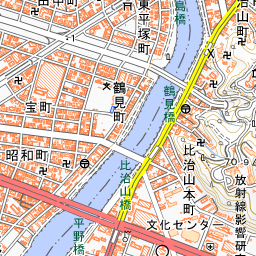
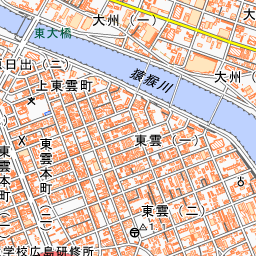
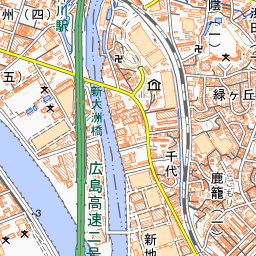
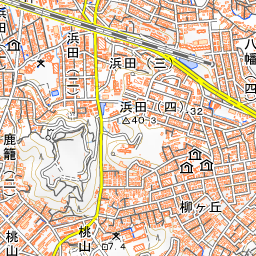
The stadium is about 800 meters from Hiroshima Station, roughly a 10-minute walk. Since many visitors walk from Hiroshima Station, the pedestrian walkway between the station and the stadium has been developed under the popular name "Carp Road." On game days, the stream of fans dressed in red serves as a clear guide along the way. Be sure to check the official information for game schedules and tickets before setting out.
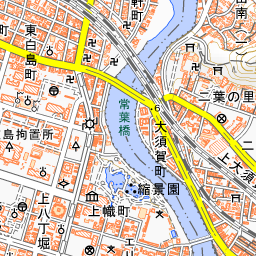
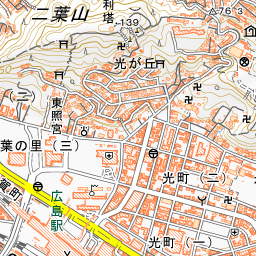
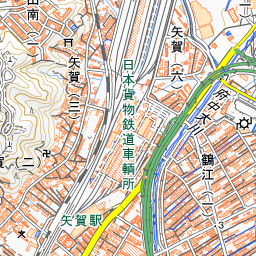
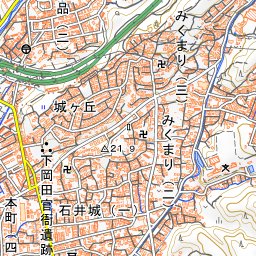
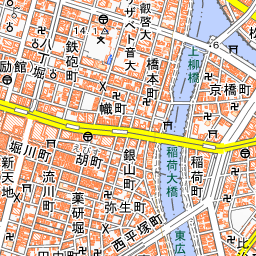
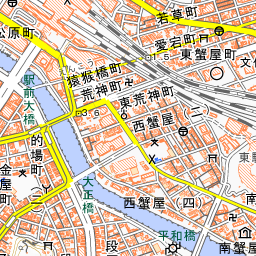
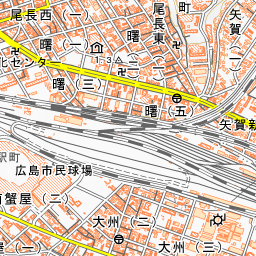



Spot location © OpenStreetMap contributors (ODbL)
Open in Google MapsUse asobot while you walk
- See where you are on the map and find spots nearby
- Listen to the guide's audio in course order, one after another (with subtitles)
- Walk to the next spot while following the map
Open on your phone
Scan to open this spot in asobot on your phone.