 ✨ AI Generated
Shinagawa-jinja Shrine
Japanese: 品川神社
Shinagawa City, Tokyo
This information was written by AI and may contain mistakes. Please check official sources for opening hours, fees, and other details before you go.
Found a mistake? Let us know with “✏️ Something's wrong” on this spot's screen in asobot →
🎧 Audio guide(1:08)
In short
Shinagawa-jinja Shrine is the local guardian shrine of Kita-Shinagawa, said to have been founded in 1187 by Minamoto no Yoritomo to pray for safe sea travel and the fulfillment of wishes. It is known as the place where Tokugawa Ieyasu prayed for victory before the Battle of Sekigahara, is counted among the Tokyo Jissha (Ten Shrines of Tokyo), and also enshrines Daikokuten of the Tokai Shichifukujin (Seven Lucky Gods of Tokai).
- Mask Dedicated by Ieyasu: The "Tenka Hitoname no Men" mask, presented by Ieyasu in gratitude for his victory, is attached to the roof of a mikoshi (portable shrine) during the annual grand festival in June.
- Shinagawa Fuji: The small mound seen to the left of the torii gate is a Fujizuka (miniature Mount Fuji mound) built during the Meiji period. It is 15 meters high, and climbing it is said to grant the same spiritual blessings as climbing Mount Fuji itself.
- Soryu Torii (Twin Dragon Torii): The stone torii gate at the entrance features an ascending dragon carved on its left pillar and a descending dragon on its right pillar.
History and Highlights
Shinagawa-jinja Shrine has long been cherished as the guardian shrine of Kita-Shinagawa. Its origins are said to date back to 1187 (Bunji 3), when Minamoto no Yoritomo welcomed the deity Amenohirinome-no-Mikoto from Susaki Myojin of Awa Province—now Susaki-jinja Shrine in Tateyama City, Chiba Prefecture—to pray for sea navigation safety and the fulfillment of prayers. Later, the spirit of Inari and Susanoo-no-Mikoto (referred to as Tenno-sama) were also enshrined here.
In 1600 (Keicho 5), Tokugawa Ieyasu visited this shrine to pray for victory before departing for the Battle of Sekigahara. As an expression of gratitude for his triumph, he dedicated the "Tenka Hitoname no Men" mask and a mikoshi. This mask was originally used in the "Ni-no-mai" bugaku dance and is believed to have been made in the mid-Muromachi period. In the mid-Edo period, during a year when an epidemic spread, a divine revelation stated that parading this mask through the towns attached to a mikoshi would relieve people from suffering. Since then, during the annual grand festival in June, this mask is attached to the mikoshi during its procession to pray for good health and protection from disease.
In 1637 (Kanei 14), it became the guardian shrine of Tokai-ji Temple, founded by the third shogun Tokugawa Iemitsu, and received the patronage of the Tokugawa shogunate. In 1868 (the first year of Meiji), it was designated as a junchokusai-sha (quasi-imperial shrine), and today it is counted as one of the Tokyo Jissha. Daikokuten of the Tokai Shichifukujin is also enshrined here.
Highlights for Visitors
- Soryu Torii: A stone torii gate standing before the steps at the entrance to the grounds, carved with an ascending dragon on the left pillar and a descending dragon on the right pillar. Along with the twin dragon torii in Koenji, Suginami, and the one at Mabashi Inari-jinja Shrine in Asagaya, it is referred to as one of the "Three Torii of Tokyo."
- Fujizuka (Shinagawa Fuji): The small hill seen to the left of the torii gate is a Fujizuka constructed between 1869 (Meiji 2) and 1872 (Meiji 5). With a height of 15 meters, it is among the largest in Tokyo. Climbing it is said to bring the same blessings as climbing the real Mount Fuji, and it is designated as a Tangible Folk Cultural Property of Shinagawa City.
- Ichiryu Manbai no Izumi: A spring welling up deep inside the grounds within Ana Inari-jinja Shrine, where rows of red torii gates stand; it is said to bring blessings for financial fortune.
Tips for Exploring
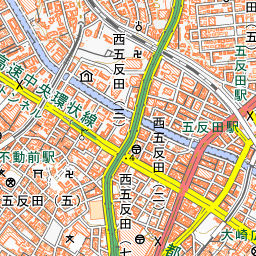
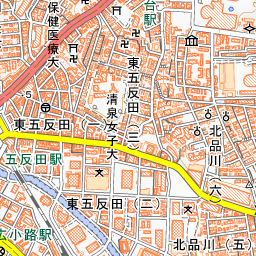
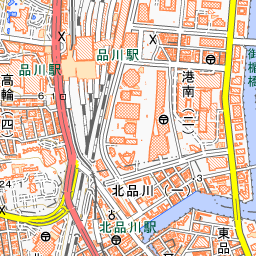
The shrine is about a 1-minute walk from the North Exit of Keikyu's Shimbamba Station, with its entrance facing Daiichi Keihin (National Route 15). After climbing the 53 stone steps in front to pay your respects, be sure to also climb the Fujizuka. From the top, you can overlook the elevated tracks of the Keihin Electric Express Railway and the streetscape of the former Shinagawa-shuku. There are seven stone torii gates on the shrine grounds. The stone torii dedicated by Hotta Masamori in 1648 is the second oldest in Tokyo, following that of Ueno Toshogu Shrine. Behind the main hall, you can also visit the grave of Itagaki Taisuke, which lies just outside the shrine precincts. Approximately 250 meters northeast of the map marker is Shinagawa-shuku.

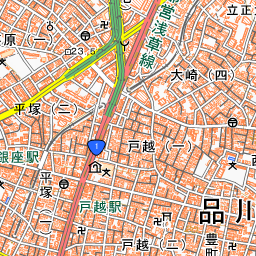
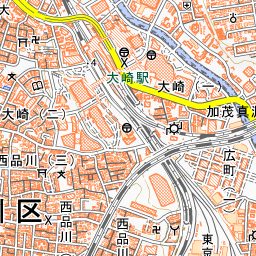
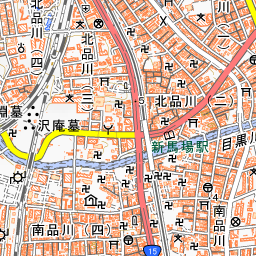
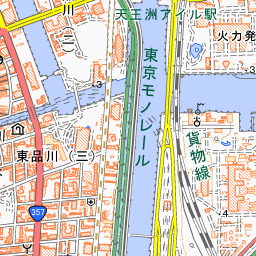
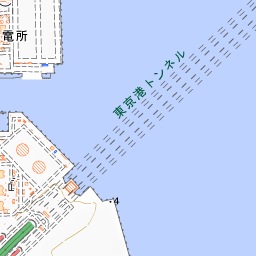
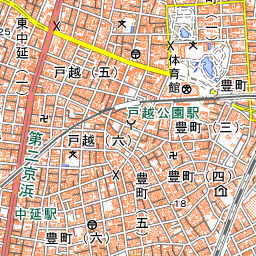
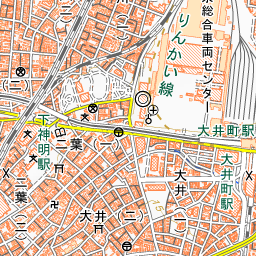
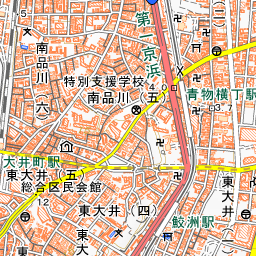
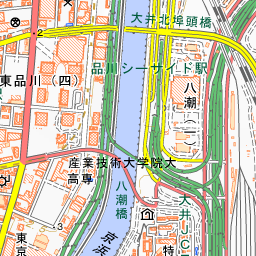

Spot location © OpenStreetMap contributors (ODbL)
Open in Google MapsGuides that include this spot (1)
Use asobot while you walk
- See where you are on the map and find spots nearby
- Listen to the guide's audio in course order, one after another (with subtitles)
- Walk to the next spot while following the map
Open on your phone
Scan to open this spot in asobot on your phone.