 ✨ AI Generated
Meguro Parasitological Museum
Japanese: 目黒寄生虫館
Meguro City, Tokyo
This information was written by AI and may contain mistakes. Please check official sources for opening hours, fees, and other details before you go.
Found a mistake? Let us know with “✏️ Something's wrong” on this spot's screen in asobot →
🎧 Audio guide(0:59)
In short
The Meguro Parasitological Museum is a research museum dedicated exclusively to parasites. It was founded in 1953 by Dr. Kamegai Satoru, who invested his own private funds. The exhibition rooms are located on the first and second floors of the building, displaying about 300 specimens and related materials. Its collection contains approximately 60,000 specimens.
- 8.8-meter-long broad tapeworm (Diphyllobothrium nihonkaiense): The highlight of the exhibition, located on the 2nd floor. It was discharged from a human small intestine.
- 1st Floor: "Diversity of Parasites": Introduces parasites belonging to various animal groups through specimens and videos.
- 2nd Floor: "Human Parasites": Explains parasite lifecycles, symptoms of human infection, and other topics.
History and Highlights
The Meguro Parasitological Museum is a research museum specializing in parasites. Museums dedicated to parasites are rare in the world.
It was founded in 1953. Dr. Kamegai Satoru, a Doctor of Medical Science, established it using his private funds to educate people about the dangers of parasites, which were widespread in Japan at that time. At first, it was a temporary structure with only a few dozen specimens. A two-story reinforced concrete main building was completed in 1956, and the current building was completed in 1992. In 2013, it was certified as a public interest incorporated foundation.
Today, it houses approximately 60,000 specimens. The building has six floors above ground and one basement floor, with only the first and second floors open to the public. The other floors house research laboratories, a library, specimen storage, and are not open to the general public. About 300 specimens and related materials are on display. Stepping inside, you are greeted by rows of glass jars containing formalin-preserved parasites.
Viewing and Experience Points
- 8.8-meter-long broad tapeworm (Diphyllobothrium nihonkaiense): The highlight of the museum, located on the second floor. It was discharged from the small intestine of a 40-year-old man who had eaten infected trout. It is said that the small parasite grew to this size in just three months. It was expelled in 1986 and subsequently put on display.
- Themes of the 1st and 2nd Floors: The theme of the first floor is "Diversity of Parasites," introducing parasites belonging to various animal groups through specimens and videos. The theme of the second floor is "Human Parasites," explaining life cycles, symptoms when humans are infected, and the history of parasitological research in Japan.
- Coelacanth Parasite: A particularly rare exhibit is a parasite found inside a coelacanth, known as a "living fossil."
Walking Tips
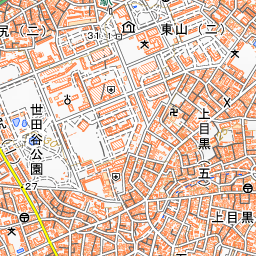
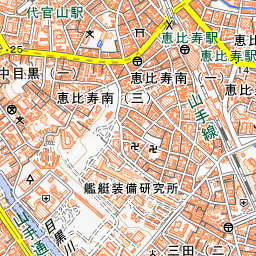
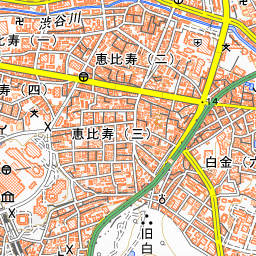
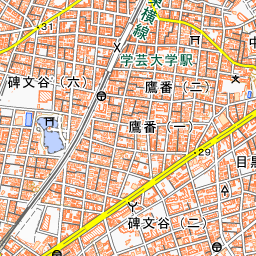
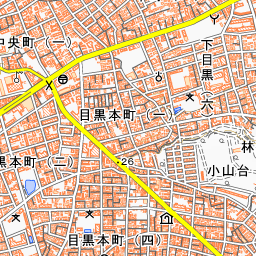
The nearest station is Meguro Station. From the West Exit, walk straight along Meguro-dori Street toward Setagaya and the Kannana Ring Road for about 12 minutes. By bus, get off at the second stop, "Otori Jinja-mae," and walk 1 minute in the direction the bus was heading.
Start by viewing the diverse parasites on the first floor, then head up to the second floor. After viewing the 8.8-meter specimen on the second floor, visit the museum shop on the same floor. It features original goods such as parasite-themed T-shirts and keychains, as well as parasitology books.
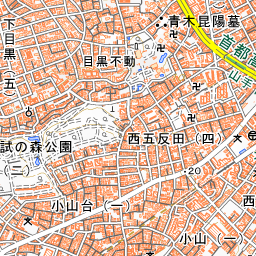
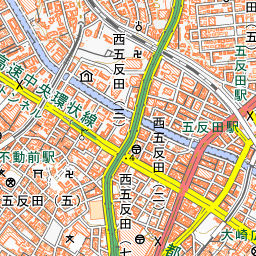
Meguro Fudo Temple is about 380 meters in a straight line to the south-southeast, and Gohyaku Rakan-ji Temple is about 390 meters to the southeast, making it easy to visit them consecutively. About 530 meters to the north is the Meguro River Cherry Tree Avenue.


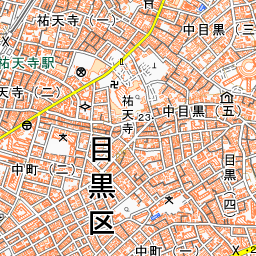
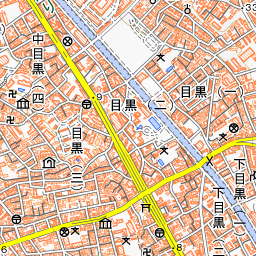
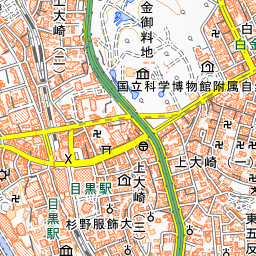
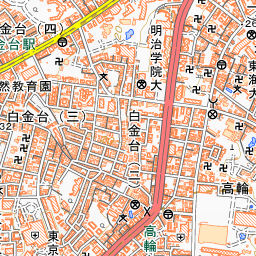
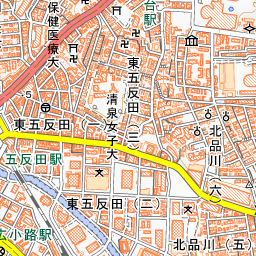
Spot location © OpenStreetMap contributors (ODbL)
Open in Google MapsUse asobot while you walk
- See where you are on the map and find spots nearby
- Listen to the guide's audio in course order, one after another (with subtitles)
- Walk to the next spot while following the map
Open on your phone
Scan to open this spot in asobot on your phone.