 ✨ AI Generated
Yumenoshima Tropical Greenhouse Dome
Japanese: 東京都夢の島熱帯植物館
Koto City, Tokyo
This information was written by AI and may contain mistakes. Please check official sources for opening hours, fees, and other details before you go.
Found a mistake? Let us know with “✏️ Something's wrong” on this spot's screen in asobot →
🎧 Audio guide(1:09)
In short
Yumenoshima Tropical Greenhouse Dome is a botanical garden located in the Tokyo Metropolitan Yumenoshima Park in Koto City. Approximately 1,000 species of tropical and subtropical plants are grown inside a greenhouse made of three interconnected large domes. It is also known for maintaining the temperature needed for plant growth using heat supplied from the neighboring Shin-Koto Incineration Plant.
- Dome A: Features a tropical waterside landscape where tree ferns and mangroves flourish around a pond fed by a cascading waterfall.
- Dome B: Lined with giant palms, where plants closely connected to daily life, such as coconut palms, bananas, and cacao, bear fruit.
- Dome C: Showcases plants from the World Natural Heritage site of the Ogasawara Islands, such as screw pines (takonoki) and noyashi palms.
History & Highlights
Yumenoshima Tropical Greenhouse Dome is a botanical garden located in the Tokyo Metropolitan Yumenoshima Park. It opened on November 19, 1988.
Yumenoshima was once known as a waste reclamation site. From 1957 to 1967, it served as a final disposal site for garbage. On this reclaimed land, the Tokyo Metropolitan Yumenoshima Park opened in October 1978. The greenhouse dome was established within this park as a place to enjoy, learn about, and feel close to tropical and subtropical plants.
The centerpiece of the facility is a large greenhouse composed of three interconnected giant domes. Approximately 1,000 species of tropical and subtropical plants are planted in a garden-like setting. The greenhouse is heated by thermal energy sent from the adjacent Shin-Koto Incineration Plant. The heat generated from incinerating waste maintains the temperature needed for tropical plants to thrive, even in winter. On an island that was once a garbage dump, the heat from waste now nurtures tropical vegetation.
Another distinctive feature of this botanical garden is its extensive planting of species endemic to the Ogasawara Islands, Tokyo's subtropical realm.
Viewing & Experience Highlights
- Dome A (Tropical Waterside): When you enter through the main entrance, tropical waterside plants immediately unfold before you. Tropical water lilies bloom in a pond where a waterfall cascades with a roaring sound, while giant fronds of the hikagehego tree fern spread out along the water's edge. Mangrove plants that typically grow in tropical estuaries also flourish here.
- Dome B (Everyday Life and Plants): Giant palms, including royal palms, stand close together like a forest. The "Tropical House" built inside is a rest area with a roof made of nipa palm leaves. Coconut palms, bananas, and cacao trees bear fruit here.
- Dome C (Ogasawara Plants): Visitors can see plants from the World Natural Heritage site of the Ogasawara Islands, including screw pines (takonoki), noyashi palms, and muninhimetsubaki. Near the exit, the massive leaves of the traveler's tree, native to Madagascar, grow luxuriantly.
Tips for Exploring
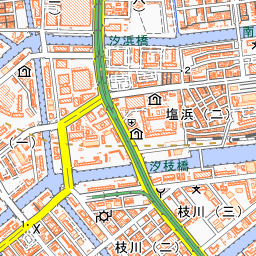
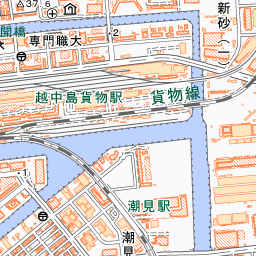
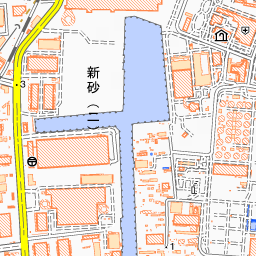
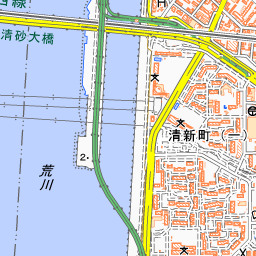
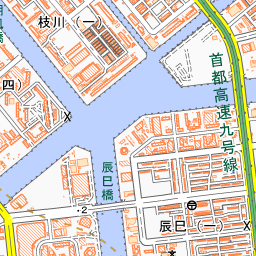
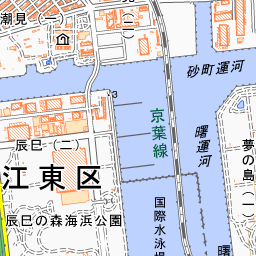
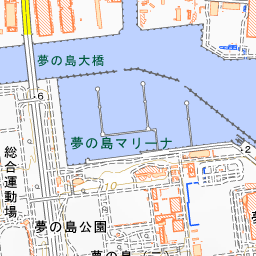
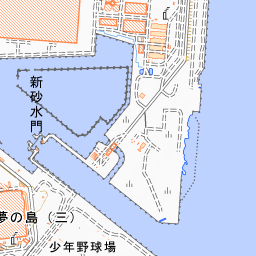
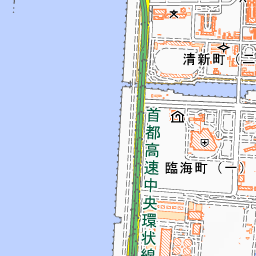
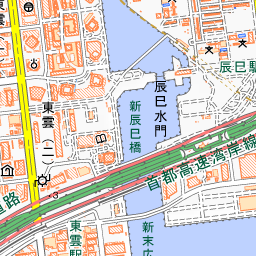
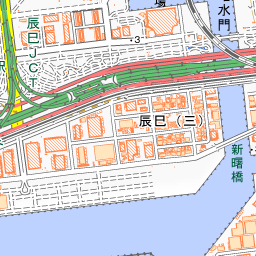
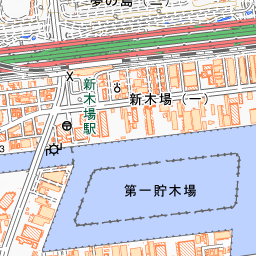
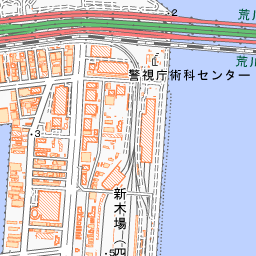
In Dome A, visitors walk beneath the falling waterfall overhead and pass through a tunnel into Dome B. Strolling in the order of A, B, and then C allows the scenery to transition smoothly from a tropical waterside to human livelihood, and on to the Ogasawara Islands. In addition to the main large greenhouse, there is also a carnivorous plant greenhouse where various types of carnivorous plants can be viewed in one place. It is about a 15-minute walk from Shin-Kiba Station. You can also visit it together with the Tokyo Metropolitan Daigo Fukuryu Maru Exhibition Hall, located about 280 meters to the west.

Spot location © OpenStreetMap contributors (ODbL)
Open in Google MapsUse asobot while you walk
- See where you are on the map and find spots nearby
- Listen to the guide's audio in course order, one after another (with subtitles)
- Walk to the next spot while following the map
Open on your phone
Scan to open this spot in asobot on your phone.