 ✨ AI Generated
Ninna-ji Temple
Japanese: 仁和寺
Ukyo Ward, Kyoto
This information was written by AI and may contain mistakes. Please check official sources for opening hours, fees, and other details before you go.
Found a mistake? Let us know with “✏️ Something's wrong” on this spot's screen in asobot →
🎧 Audio guide(1:08)
In short
The head temple of the Omuro sect of Shingon Buddhism. Emperor Uda carried on the wishes of Emperor Koko and completed the temple in the 4th year of Ninna (888), naming it Ninna-ji after the era name. Because Emperor Uda established a residence called Omuro within the temple, it is also called "Omuro Gosho," and in the 6th year of Heisei (1994), it was registered as a World Heritage site as one of the "Historic Monuments of Ancient Kyoto."
- National Treasure Kondo (Main Hall): Relocated from the palace's Shishinden Hall that had been built in the Keicho era, it conveys the palace architecture of that time as the oldest existing Shishinden Hall
- Omuro Cherry Blossoms and Five-Story Pagoda: The Omuro Cherry Blossoms, a grove of late-blooming, low-growing cherry trees, are a National Place of Scenic Beauty. The Five-Story Pagoda, built in the 21st year of Kan'ei (1644), is characterized by tiers that differ little in width from top to bottom
- Goten Palaces and Gardens: To the south of the Shinden Hall spreads the South Garden with white sand, pines, and cedars, while to the north lies the North Garden featuring a waterfall and a pond, with a view of the Five-Story Pagoda
History and Highlights
Ninna-ji Temple is the head temple of the Omuro sect of Shingon Buddhism. In the 2nd year of Ninna (886), Emperor Koko wished to establish a temple, but he passed away the following year. Emperor Uda carried on his wishes and completed the temple in the 4th year of Ninna (888), naming it Ninna-ji after the era name. After Emperor Uda abdicated, he became a Buddhist priest and established a residence called Omuro within the temple, which is why it is also called "Omuro Gosho." Thereafter, until the Meiji Restoration, members of the imperial family served as head priests for generations, making it the foremost among monzeki temples (temples whose head priests are of imperial or noble blood).
Although most of the temple grounds were destroyed by fire during the Onin War, Tokugawa Iemitsu approved its reconstruction in the 11th year of Kan'ei (1634). Coinciding with the rebuilding of the Imperial Palace that had been built in the Keicho era, many buildings, including the Shishinden Hall and the Seiryoden Hall, were relocated from the Imperial Palace. The reconstruction of the temple complex was completed in the 3rd year of Shoho (1646). In the 6th year of Heisei (1994), it was registered as a World Heritage site as one of the "Historic Monuments of Ancient Kyoto."
Key Viewing and Experience Points
- National Treasure Kondo (Main Hall): A hall that houses the principal image of the Amida Triad. Relocated during the Kan'ei era from the palace's Shishinden Hall that had been built in the Keicho era, it conveys the palace architecture of that time as the oldest existing Shishinden Hall.
- Omuro Cherry Blossoms and Five-Story Pagoda: Located to the west inside the Chumon Gate, the "Omuro Cherry Blossoms" are a grove of late-blooming, low-growing cherry trees that were designated a National Place of Scenic Beauty in the 13th year of Taisho. Cherished by commoners since the Edo period, they are also called "Otafuku-zakura." Built in the 21st year of Kan'ei (1644), the Five-Story Pagoda is characterized by its structure, where the width differences between the upper and lower tiers are minimal.
- Goten Palaces and Gardens: To the south of the Shinden Hall spreads the South Garden with white sand, pines, and cedars, while to the north lies the North Garden featuring a waterfall, a pond, and a view of the Five-Story Pagoda. The tea house Hitotei, said to have been favored by Emperor Kokaku, also stands on an artificial hill in the North Garden.
Walking Tips
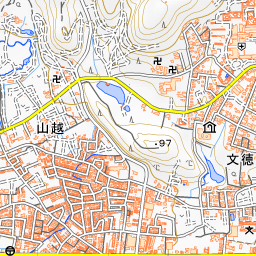
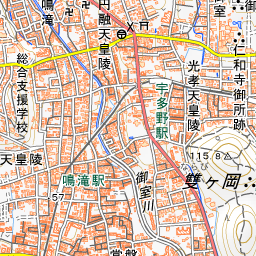
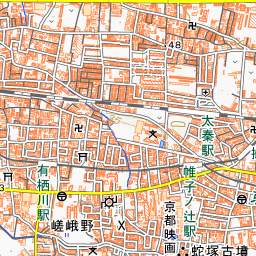
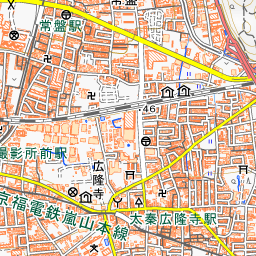
About a 3-minute walk from the Randen Omuro-Ninnaji Station brings you to the 18.7-meter-tall Niomon Gate facing the road. Ryoan-ji Temple is about 550 meters to the northeast, and Myoshin-ji Temple is about 900 meters to the southeast. On the mountain behind the temple to the north is the Omuro 88 Pilgrimage Site, opened in the 10th year of Bunsei (1827), where you can walk a route of about 3 kilometers in about 2 hours.
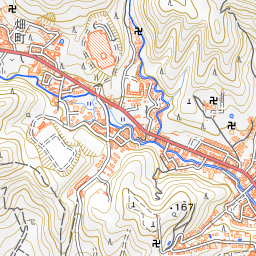
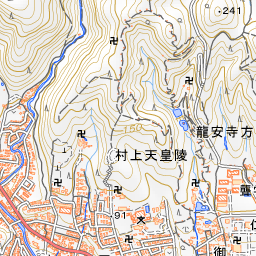
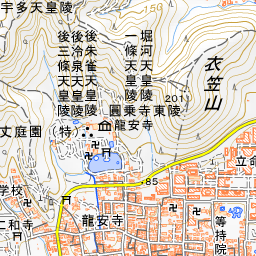

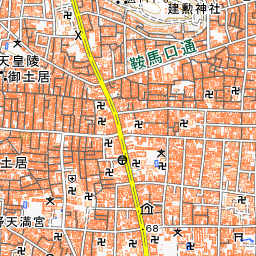




Spot location © OpenStreetMap contributors (ODbL)
Open in Google MapsGuides that include this spot (1)
Use asobot while you walk
- See where you are on the map and find spots nearby
- Listen to the guide's audio in course order, one after another (with subtitles)
- Walk to the next spot while following the map
Open on your phone
Scan to open this spot in asobot on your phone.