 ✨ AI Generated
Toei Animation Museum
Japanese: 東映アニメーションミュージアム
Nerima City, Tokyo
This information was written by AI and may contain mistakes. Please check official sources for opening hours, fees, and other details before you go.
Found a mistake? Let us know with “✏️ Something's wrong” on this spot's screen in asobot →
🎧 Audio guide(0:53)
In short
Toei Animation Museum is located in a corner of Toei Animation's Oizumi Studio. Visitors can learn about the history of the company, which has produced numerous works since its founding in 1956, as well as the process of making anime. In the courtyard, a fountain featuring Pero—the protagonist of the 1969 animated feature film "Puss in Boots" and the company's symbol—greets visitors.
- Toei Animation Works: On a large touch panel, you can watch footage from the company's works over the years, one after another.
- How Anime is Made: The production process from planning to completion is explained, divided into the analog and digital eras.
- Courtyard Area: Features the Pero fountain as well as a large blackboard where you can draw freely.
History and Highlights
Toei Animation Museum opened in July 2018 in a corner of Toei Animation's Oizumi Studio. It is a renewed facility replacing the "Toei Animation Gallery," which closed in 2014.
Toei Animation was founded in July 1956 as "Toei Doga." In January 1957 of the following year, its production studio was moved to Higashi-Oizumi in Nerima Ward. Then, in October 1958, the company's first theatrical feature-length anime, "Hakujaden" (The Tale of the White Serpent), was completed. Hakujaden was Japan's first full-color theatrical feature-length animated film. Nerima Ward bills itself as the "Birthplace of Japan Animation" as the place where Hakujaden and other works were created.
Afterward, the company continued to produce titles such as "Galaxy Express 999," "Dragon Ball," "Sailor Moon," "One Piece," and "Futari wa Pretty Cure." In October 1998, its name was changed to the current "Toei Animation." At the museum, both children and adults can learn about the company's history and the animation production process through enjoyable exhibits.
Points for Viewing and Experiencing
- Toei Animation Works: On a large touch panel, you can tap through footage from the company's works over the years, one after another. It gives you a sensation like traveling back in time to the era when you watched those works.
- How Anime is Made: The production process of anime works from planning to completion is explained, divided into two eras: analog and digital. To protect copyrights, photography and video recording are not permitted in this archival exhibition area.
- Pero Fountain in the Courtyard: Pero is the protagonist of the theatrical feature-length anime "Puss in Boots" released in 1969 and serves as the company's symbol mark. According to the museum, something might happen at the fountain once every hour. Characters from various works are also hidden throughout the courtyard, and there is a large blackboard where you can draw freely.
Strolling Tips
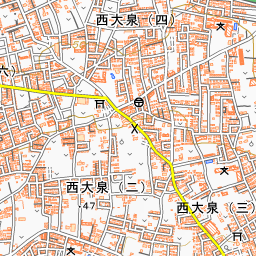
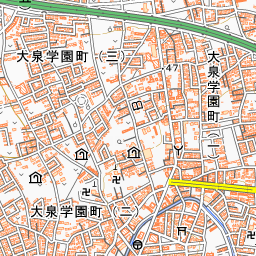
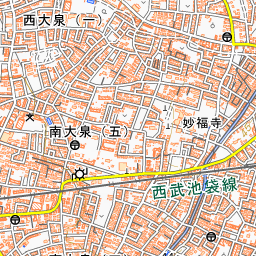
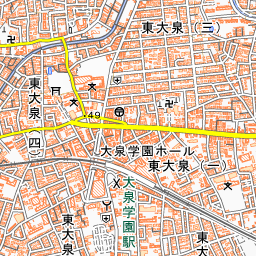
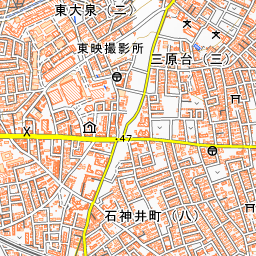
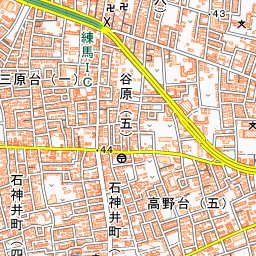
It is about a 15-minute walk from the North Exit of Oizumi-gakuen Station on the Seibu Ikebukuro Line. You can also take a bus from Bus Stop No. 1 at the North Exit and get off at "Toei Satsueijo-mae" (about 5 minutes). The museum has neither parking nor bicycle parking spaces, so please visit by train or bus. Photography is permitted in the Photo Area and Courtyard Area. Entry inside the Oizumi Studio is not permitted. When you return to the station, be sure to stop by the "Oizumi Anime Gate" located on the pedestrian deck outside the North Exit. Bronze statues of Astro Boy, Yabuki Joe, Hoshino Tetsuro and Maetel, and Lum are lined up there.

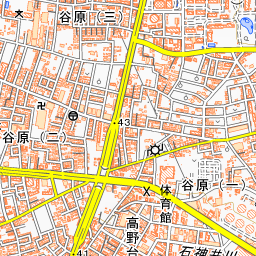
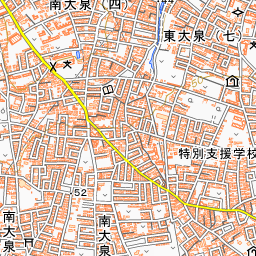
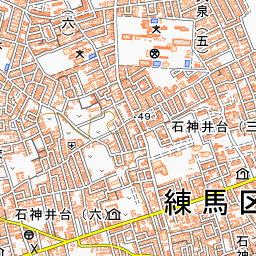
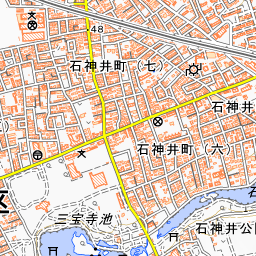
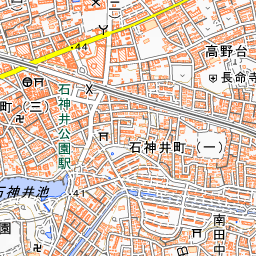
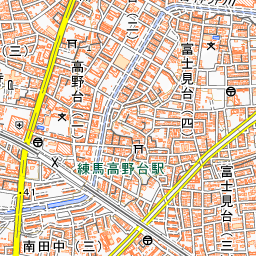
Spot location © OpenStreetMap contributors (ODbL)
Open in Google MapsUse asobot while you walk
- See where you are on the map and find spots nearby
- Listen to the guide's audio in course order, one after another (with subtitles)
- Walk to the next spot while following the map
Open on your phone
Scan to open this spot in asobot on your phone.