 ✨ AI Generated
Kichijoji
Japanese: 吉祥寺
Musashino, Tokyo
This information was written by AI and may contain mistakes. Please check official sources for opening hours, fees, and other details before you go.
Found a mistake? Let us know with “✏️ Something's wrong” on this spot's screen in asobot →
🎧 Audio guide(1:07)
In short
Kichijoji is a neighborhood located in the city of Musashino in western Tokyo. Centered around Kichijoji Station, served by the JR Chuo Line and the Keio Inokashira Line, bustling shopping streets spread out, right next to quiet residential areas and Inokashira Onshi Park. It is an area often ranked near the top of Tokyo's rankings of desirable places to live.
- Shopping Streets with Distinct Atmospheres: Shopping streets with varied ambiances coexist here, from Sunroad—measuring approximately 300 meters long—to Daiya-gai, Heiwa-dori, Nakamichi-dori, and Harmonica Yokocho.
- A Kichijoji with No Temple: There is no temple named Kichijoji in this neighborhood. People from the temple town (monzenmachi) of Kichijoji who were displaced by the Great Fire of Meireki relocated here, giving the area its name.
- Art and Music: The area is home to the Kichijoji Art Museum and the Kichijoji Theatre, and there are opportunities to encounter live events throughout the streets on weekends.
History and Highlights
Kichijoji is a neighborhood in Musashino City, in western Tokyo. A bustling commercial district centers on Kichijoji Station, where the JR Chuo Line and Keio Inokashira Line run. Step just a bit further, and quiet residential areas and lush green Inokashira Onshi Park lie immediately adjacent. It is an area that frequently ranks near the top of Tokyo's most desirable places to live.
There is no temple called Kichijoji in this neighborhood. In Edo, the Great Fire of Meireki burned out residents of the temple town of the Kichijoji temple, then located outside Koishikawa Suidobashi. In 1659 (Manji 2), these people moved to this area and named it Kichijoji. The temple that gave the area its name is now located in Hon-Komagome, Bunkyo Ward. Meanwhile, four temples—Anyo-ji, Kosen-ji, Renjo-ji, and Gesso-ji—are gathered within the neighborhood.
In 1899 (Meiji 32), Kichijoji Station opened, contributing to the development of the area. Following the Great Kanto Earthquake of 1923, an influx of residents from central Tokyo accelerated urbanization. After World War II, a black market emerged around the station, leading to the development of today's townscape. Harmonica Yokocho, which flourished as a postwar black market, still retains the atmosphere of the Showa era today.
In present-day Kichijoji, large commercial facilities such as Tokyu Department Store, atré, Coppice, and PARCO coexist with bright covered arcades and unique shops. Many artists and manga creators reside here, giving the neighborhood another facet as a hub for subculture.
Viewing and Experiencing Highlights
- North Exit Shopping Streets: Sunroad is an arcade shopping street approximately 300 meters long connecting the north exit of the station to Itsukaichi-kaido. Daiya-gai is also an arcade, while Heiwa-dori is lined with large roadside trees. Nakamichi-dori, spanning about 540 meters, features unique shops including cafes and lifestyle goods shops.
- Harmonica Yokocho and Vintage Clothing Shops: In Harmonica Yokocho on the north side of the station, izakaya pubs and eateries come alive in the evening. There are many vintage clothing stores throughout the town, including along Nanaibashi-dori Street, which connects the station to Inokashira Onshi Park.
- Art and Music: With facilities such as the Kichijoji Art Museum and Kichijoji Theatre, there are chances to come across live events in the neighborhood on weekends. Many street performers gather at Inokashira Onshi Park.
Walking Tips
From Shinjuku Station, it is 14 minutes by JR Chuo Line Rapid, and 28 minutes from Tokyo Station. Inokashira Onshi Park is on the south side of the station, just a few minutes' walk away. A suggested way to explore is to stroll through the Sunroad and Daiya-gai shopping streets before visiting the park, and then stop by Harmonica Yokocho on the way back to enjoy drinks alongside yakitori skewers. The Ghibli Museum, Mitaka is about a 15-minute walk from the station. Tickets require advance reservation.
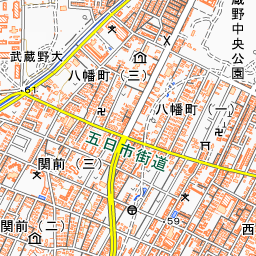
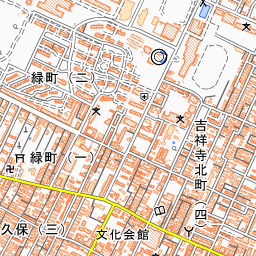
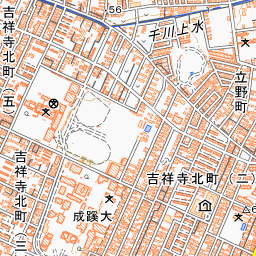
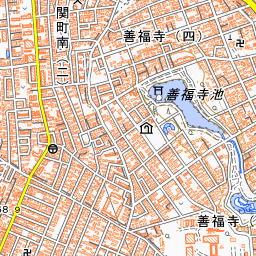
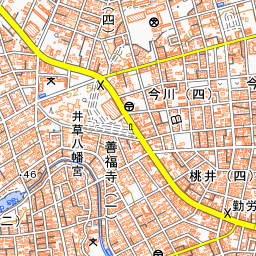
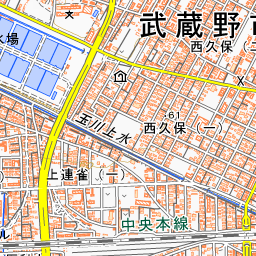
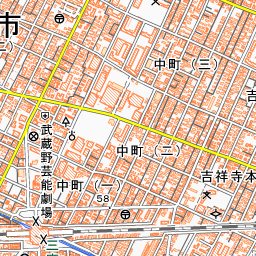
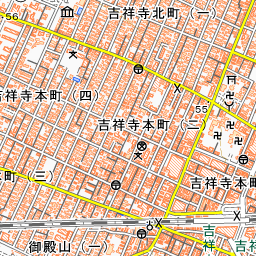
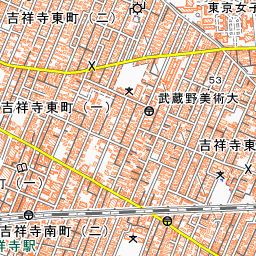
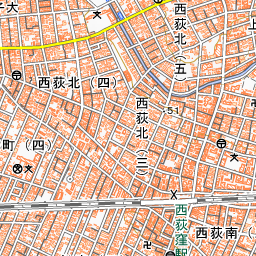
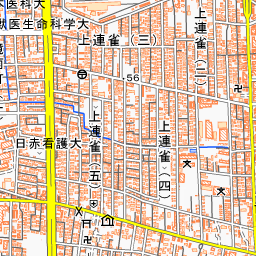
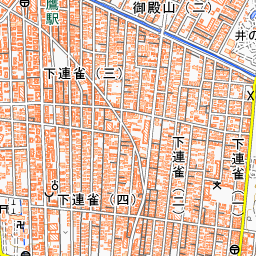
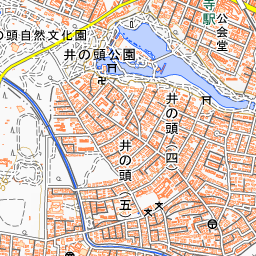
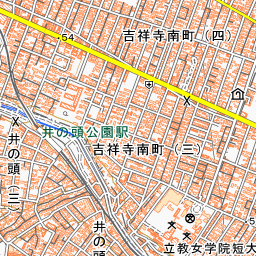
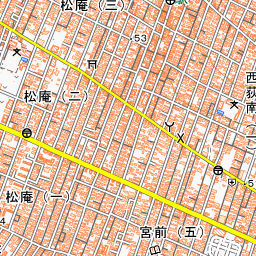
Spot location © OpenStreetMap contributors (ODbL)
Open in Google MapsGuides that include this spot (1)
Use asobot while you walk
- See where you are on the map and find spots nearby
- Listen to the guide's audio in course order, one after another (with subtitles)
- Walk to the next spot while following the map
Open on your phone
Scan to open this spot in asobot on your phone.