 ✨ AI Generated
National Hansen's Disease Museum
Japanese: 国立ハンセン病資料館
Higashimurayama, Tokyo
This information was written by AI and may contain mistakes. Please check official sources for opening hours, fees, and other details before you go.
Found a mistake? Let us know with “✏️ Something's wrong” on this spot's screen in asobot →
🎧 Audio guide(1:09)
In short
The National Hansen's Disease Museum is a museum located within the National Sanatorium Tama Zenshoen in Higashimurayama City, Tokyo. It collects and exhibits testimonies of the lives of Hansen's disease patients and recovered persons, conveying the history of the mistaken segregation policy. It opened in 1993 and reopened under its current name in 2007.
- A museum founded by recovered persons: Established by Hansen's disease recovered persons themselves, wishing that the same mistake would never be repeated.
- Learning from the history of segregation: It conveys the history of forced segregation that continued until 1996, and the figures of those who confronted it.
- Cherry blossom trees along Museum Street: Cherry trees planted with deep feelings by residents in the late 1950s.
History and Highlights
The National Hansen's Disease Museum is located within the National Sanatorium Tama Zenshoen in Higashimurayama City. Tama Zenshoen is one of 13 national Hansen's disease sanatoriums in Japan. It was established at its present location in 1909 as the Public Sanatorium First District Zensei Hospital.
The museum opened in June 1993 as the Prince Takamatsu Memorial Hansen's Disease Museum. It was a museum established by Hansen's disease recovered persons themselves, aiming to preserve the proof of the lives of patients and recovered persons, and to appeal to society so that mistakes would not be repeated. After greatly expanding its scale, it reopened under its current name in 2007.
Hansen's disease is an infectious disease caused by Mycobacterium leprae. The bacterium has a weak pathogenicity, and today the disease can be cured through medication alone. Effective drugs appeared in the United States in 1941, making it a curable disease.
National measures since modern times were fundamentally based on the segregation of patients. A legal revision in 1931 made it possible to forcibly segregate all patients regardless of their own will. Segregation continued even after the disease became curable, and it was in 1996 that the "Leprosy Prevention Law" was finally repealed. In 2001, in a lawsuit brought by recovered persons claiming that this law violated the Constitution, the Kumamoto District Court issued a ruling in favor of the plaintiffs, which was subsequently finalized.
Tips for Viewing and Experiencing
- Facing people's experiences: The museum aims to show the experiences of those who suffered hardship and damage, as well as their stance in confronting them. Most of the exhibited materials are actual objects and are fragile, so please do not touch items without signs permitting it.
- Walking along the cherry trees on Museum Street: In the late 1950s, when prejudice and discrimination were still strong, residents planted cherry trees. This came from the wish for a time to come when local citizens and sanatorium residents could view cherry blossoms together under these flowers. That wish has finally come true, and many people now visit during the cherry blossom season.
- Understanding the meaning of the ossuary: The ossuary (nokotsudo) is a place where the unclaimed remains of those who died in the sanatorium are housed. Fearing discrimination, families have refused to collect the remains, and the situation where residents cannot return to their families still continues today.
Tips for Exploring
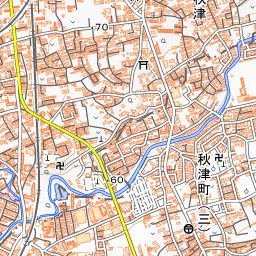
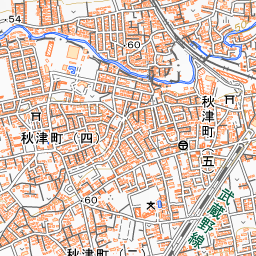
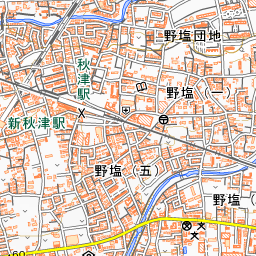
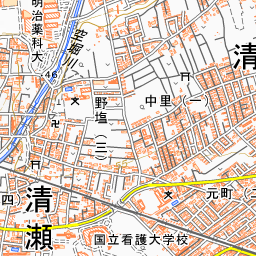
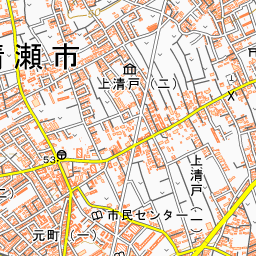
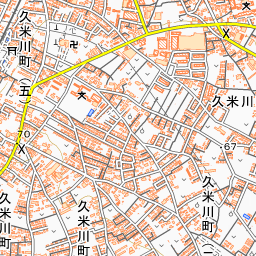
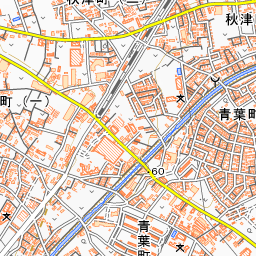
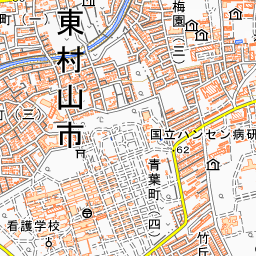
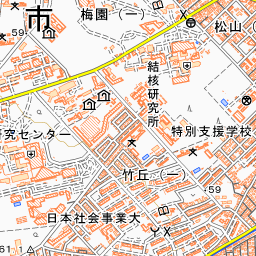
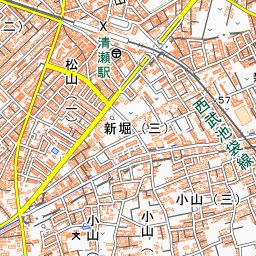
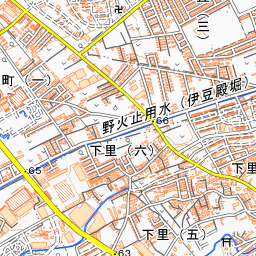
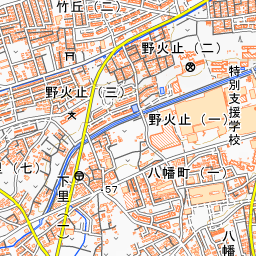
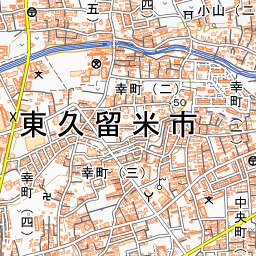
Take a Seibu bus for about 20 minutes from the North Exit of Kumegawa Station on the Seibu Shinjuku Line, or for about 10 minutes from the South Exit of Kiyose Station on the Seibu Ikebukuro Line, and get off at "Hansenbyo Shiryokan". It is about a 20-minute walk from Akitsu Station or Shin-Akitsu Station.
After visiting the museum, walking into the grounds via the cherry trees on Museum Street allows the story to connect. Within the grounds, there are the Yamabuki-sha, the ossuary, and the Forest of Human Rights for Life and Heart Declaration Monument.
The trees in the grounds amount to 30,000 across 252 species, raised by the hands of the residents. It is advisable to check the museum's opening days via its guidance before heading out.
Use asobot while you walk
- See where you are on the map and find spots nearby
- Listen to the guide's audio in course order, one after another (with subtitles)
- Walk to the next spot while following the map
Open on your phone
Scan to open this spot in asobot on your phone.