 ✨ AI Generated
Forestry and Forest Products Research Institute Tama Forest Science Garden
Japanese: 森林総合研究所多摩森林科学園
Hachioji, Tokyo
This information was written by AI and may contain mistakes. Please check official sources for opening hours, fees, and other details before you go.
Found a mistake? Let us know with “✏️ Something's wrong” on this spot's screen in asobot →
🎧 Audio guide(1:07)
In short
Located in Todori-machi, Hachioji City, near Takao Station, this is a forest research facility. It was established in 1921 as an experimental forestry station of the Imperial Forestry Operations Bureau of the Imperial Household Ministry, and has been open to the public in its current form since 1992. It is known for its Cherry Blossom Preservation Forest, where about 1,800 cherry trees gathered from across the country are planted.
- Cherry Blossom Preservation Forest: Features cultivated varieties passed down from the Edo period and clones of cherry trees designated as national Natural Monuments.
- Arboretum: Approximately 500 species of trees can be observed, and it includes spots for sighting giant flying squirrels (musasabi) and points for wild bird watching.
- Forest Science Museum: Introduces research findings through panels, videos, and hands-on wooden specimens that visitors can touch.
History and Highlights
The Forestry and Forest Products Research Institute Tama Forest Science Garden was established in February 1921 (Taisho 10) as an experimental forestry station of the Imperial Forestry Operations Bureau of the Imperial Household Ministry. A fine office building was completed the following year, but most of the office building and laboratories were lost in the Great Hachioji Air Raid on August 1, 1945. In 1947, it became the Asakawa Branch of the Government Forest Experiment Station, and in 1988, it was given its current name, Tama Forest Science Garden.
Today, it is one of the branch facilities of the Forestry and Forest Products Research Institute. It conducts research on the management of forests near urban areas, plant and animal diversity, and the genetic resources of cherry trees.
During the Edo period, the forest in the grounds was directly controlled by the shogunate, and from the Meiji era onward, it was protected as an imperial forest. For this reason, there are few konara oak trees used for firewood and charcoal, and many evergreen trees such as fir (momi) and Siebold's chinquapin (sudajii) can be seen.
The creation of the Cherry Blossom Preservation Forest was decided in 1966 (Showa 41) to preserve the genes of renowned cherry trees from various regions. As of November 2020, about 1,800 cherry trees are planted in an 8-hectare forest.
Viewing and Experience Highlights
- Cherry Blossom Preservation Forest: Features cultivated varieties passed down from the Edo period and clones of cherry trees designated as national Natural Monuments. The blooming period varies by variety, reaching peak viewing successively from late February to late April.
- Arboretum: In the arboretum of about 7 hectares, approximately 500 species of trees can be seen. It features "musasabi spots" for observing giant flying squirrels, which are nocturnal and sleep in nesting cavities during the day, as well as seven wild bird watching points.
- Forest Science Museum: Introduces the achievements of forest research through panels and videos. The two-story building minimizes the use of metal and uses various types of processed timber, making the building itself an exhibit. Visitors can touch a large cross-section slice of a fir tree and specimens of tree trunks.
Visiting Tips
It is about a 10-minute walk from the North Exit of JR Takao Station. It is advisable to first visit the Forest Science Museum to pick up a map of the giant flying squirrel spots, a wild bird watching brochure, and an arboretum guide map. Using the guide map, you can tour the explanatory panels in the arboretum along three themes: "Trees Representing Japanese Forests," "Trees Useful to People," and "Trees Familiar in the Tama Region."
In the Second Arboretum, there are "Mini Forest Exhibit Rooms" in 10 locations. Dioramas and models inside white boxes introduce the connections between those trees and human life.
Because the plants and animals in the grounds are subjects of research, they cannot be collected. Approximately 640 meters to the north-northeast is the Musashino Imperial Mausoleum of Emperor Showa.
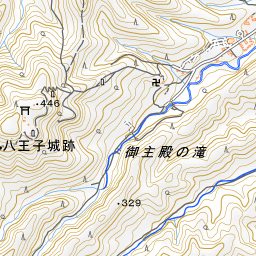
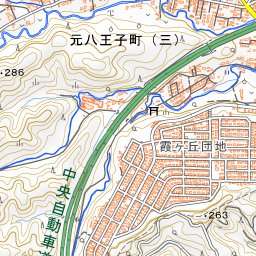
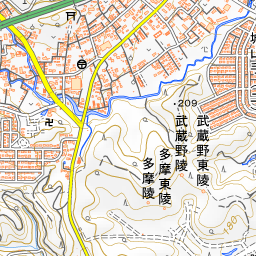
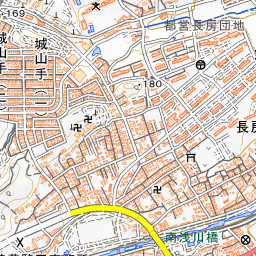
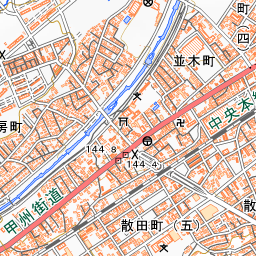
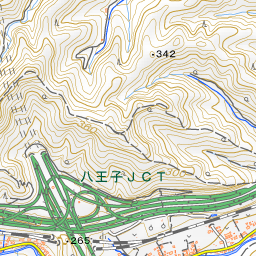
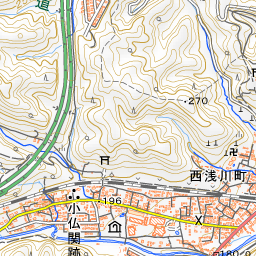
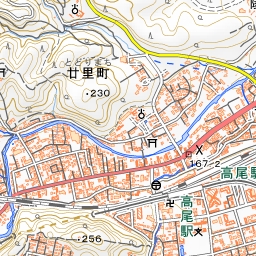
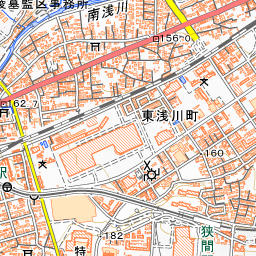
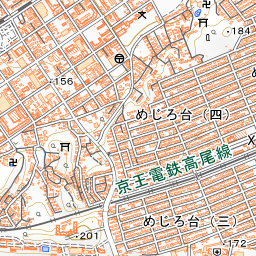
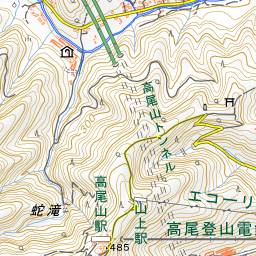
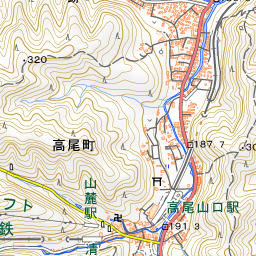
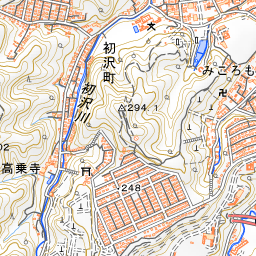
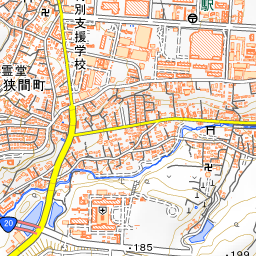
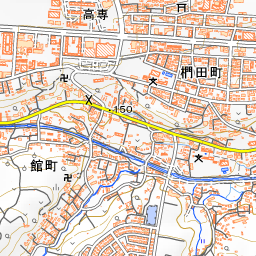
Spot location © OpenStreetMap contributors (ODbL)
Open in Google MapsGuides that include this spot (1)
Use asobot while you walk
- See where you are on the map and find spots nearby
- Listen to the guide's audio in course order, one after another (with subtitles)
- Walk to the next spot while following the map
Open on your phone
Scan to open this spot in asobot on your phone.