 ✨ AI Generated
National Museum of Ethnology
Japanese: 国立民族学博物館
Suita, Osaka
This information was written by AI and may contain mistakes. Please check official sources for opening hours, fees, and other details before you go.
Found a mistake? Let us know with “✏️ Something's wrong” on this spot's screen in asobot →
🎧 Audio guide(1:05)
In short
A museum dedicated to cultural anthropology and ethnology, affectionately known as "Minpaku." Established in 1974, it opened in 1977 on the former site of the 1970 World Exposition in Senri, Osaka. While serving as a museum that showcases exhibitions, it also functions as an Inter-University Research Institute that conducts surveys and research, collecting and displaying materials from around the world based on its research outcomes.
- A Journey Around the World Headed East: The regional exhibits divide the world into nine regions and are arranged in an order that begins in Oceania, travels eastward around the globe, and finally arrives in Japan
- Music and Language Exhibits: Separate from the regional exhibits, there are displays that look across world ethnic cultures through specific themes, with permanent exhibits on music and language
- Information Zone: On the second floor of the main building, the corridor encircling the central patio "Ruins of the Future" brings together the "Introduction," the "Discovery Square," the "Videotheque," where visitors can watch video programs introducing daily life around the world, and more. This zone can be used free of charge
History and Highlights
The National Museum of Ethnology, affectionately known as "Minpaku," is a museum dedicated to cultural anthropology and ethnology. Established in 1974, it opened in 1977 on the former site of the 1970 World Exposition in Senri, Osaka. While serving as a museum that showcases exhibitions, it also functions as an Inter-University Research Institute that conducts surveys and research in cultural anthropology and ethnology, collecting and displaying materials from around the world based on its research outcomes. The building was designed by Kisho Kurokawa Architect & Associates.
The core of the main building's exhibitions consists of items created and used in daily life by people across the globe. Through daily living utensils related to food, clothing, and shelter, as well as musical instruments, masks, and sculptures used in festivals and rituals, it conveys the life and culture rooted in the environment and history of each region. As you walk through the exhibition galleries, this museum allows you to appreciate the rich creativity of humankind and the diversity of cultures.
Viewing and Experience Points
- A Journey Around the World Headed East: The regional exhibits divide the world into nine regions, beginning in Oceania and traveling eastward around the globe, concluding with Japan. Visitors travel through the Americas, Europe, Africa, and various parts of Asia, finishing with exhibits on Ainu culture and Japanese culture.
- Music and Language Exhibits: Separate from the regional exhibits, there are cross-cultural thematic displays that offer an overview of world ethnic cultures, featuring permanent exhibits on music and language.
- Information Zone: Located on the second floor of the main building, the corridor encircling the central patio "Ruins of the Future" brings together several areas, including the "Introduction" area that serves as a prelude to the exhibits, the "Discovery Square" where visitors can learn about research in greater depth, and the "Videotheque" where visitors can watch video programs introducing daily life around the world. This zone can be accessed free of charge.
Tips for Exploring
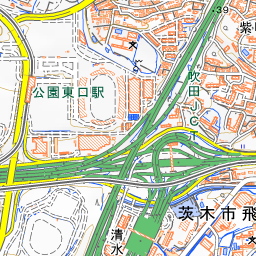
To reach Minpaku, you walk through the Natural and Cultural Gardens, a paid area of Expo '70 Commemorative Park. From Bampaku-kinen-koen Station on the Osaka Monorail, it is about a 15-minute walk through the Central Gate of the Natural and Cultural Gardens, and about a 15-minute walk from Koen-higashiguchi Station through the Nihon Teien (Japanese Garden) Gate. The Japanese Garden is located approximately 300 meters to the east, and the Tower of the Sun is about 500 meters to the southeast, making it easy to visit them together while strolling through the park.
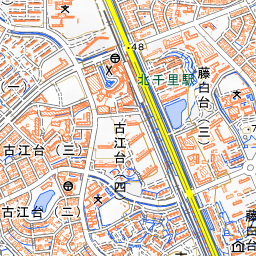
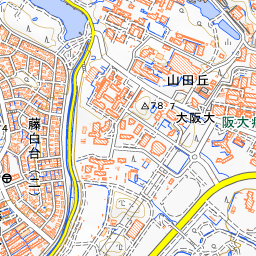
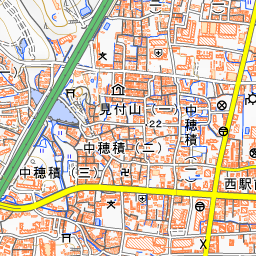
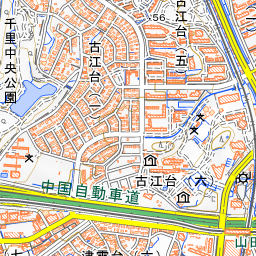
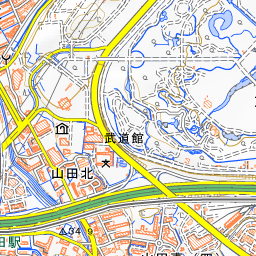
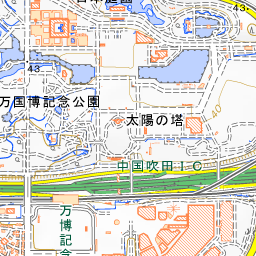
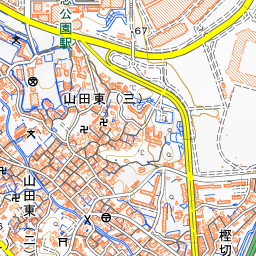
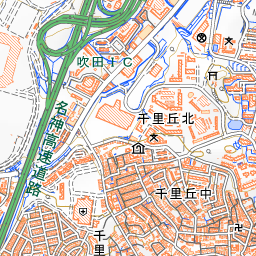
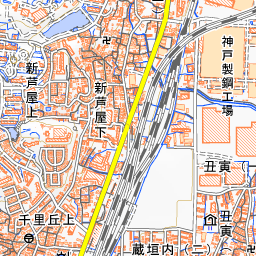
Spot location © OpenStreetMap contributors (ODbL)
Open in Google MapsGuides that include this spot (1)
Use asobot while you walk
- See where you are on the map and find spots nearby
- Listen to the guide's audio in course order, one after another (with subtitles)
- Walk to the next spot while following the map
Open on your phone
Scan to open this spot in asobot on your phone.