 ✨ AI Generated
Takao Komagino Garden
Japanese: 高尾駒木野庭園
Hachioji, Tokyo
This information was written by AI and may contain mistakes. Please check official sources for opening hours, fees, and other details before you go.
Found a mistake? Let us know with “✏️ Something's wrong” on this spot's screen in asobot →
🎧 Audio guide(0:59)
In short
Takao Komagino Garden is a Japanese garden park located in Ura-Takao at the foot of Mt. Takao. It preserves a prewar Japanese residence that was formerly the home of a clinic director, surrounded by a pond-strolling garden (chisen kaiyushiki teien), a dry landscape garden (karesansui), and a tea garden path (roji). It is the first park in Hachioji to feature the form of a Japanese garden.
- Prewar Japanese House: A residence built around 1932 (Showa 7) remains, where you can view the garden while enjoying matcha or coffee in the tearoom.
- Three Gardens: Featuring a stroll around Shinji Pond with swimming nishikigoi carp, a dry landscape garden using no water at all, and a roji tea garden with a suikinkutsu water harp, all set against the borrowed scenery of the mountains of Takao.
- Bonsai and Wildflowers: Authentic donated bonsai are on display, and more than 80 varieties of flowering plants grow on the grounds.
History and Highlights
Takao Komagino Garden is a Japanese house and garden passed down in the plum-blossom village at the foot of Mt. Takao.
The house was originally the private residence of the director of Kobayashi Clinic, which opened in 1927 (Showa 2). Kobayashi Clinic later became Komagino Hospital. A single-story house was built around 1932 (Showa 7), and around 1940 (Showa 15), a two-story house was built adjacent to the east and connected into one structure.
In 2009, the Kobayashi family donated the land and buildings to Hachioji City, with the wish that "the existing facilities be preserved and utilized as much as possible." The city developed it as a park, which opened in April 2012 (Heisei 24). It is the first park in Hachioji to have the form of a Japanese garden. While retaining its exterior, the house was partially repaired and equipped with a surrounding pond-strolling garden, dry landscape garden, and roji. The grounds cover approximately 2,900 square meters.
There are also sights to see inside the house. Openwork carving and lattice transoms (ranma) remain, and a magnificent girder log made from a single long tree trunk can be seen along the veranda. In the glass sliding doors, you can still find distorted glass from the era when manufacturing techniques were less developed, as well as nostalgic patterned glass.
Viewing and Experience Points
- Strolling Around Shinji Pond: The pond-strolling garden is designed for visitors to enjoy changing scenery while walking along the path around Shinji Pond. Nishikigoi carp donated by the All Japan Nishikigoi Promotion Association swim in the pond, which also features crane and turtle islands (tsurushima and kameshima). The Ryumonbaku (dragon gate waterfall), where a stone resembling a carp is placed in the waterfall, is based on the "toryumon" legend of a carp climbing a waterfall to become a dragon.
- Dry Landscape and Roji: The dry landscape garden expresses the scenery of mountains and water without using any water. It features a dry waterfall arrangement and sanzon stone arrangements, with raked sand patterns representing deep mountains and flowing valley streams. Take time to contemplate it quietly from the eastern room of the house. The roji is designed in the style of the Omotesenke school, treating a small Japanese room as a tea pavilion. Beneath the chozubachi water basin lies a suikinkutsu, where you can hear resonant water drops when pouring water with a ladle.
- Bonsai and Wildflowers: Authentic bonsai donated by the Hachioji Branch of the Nippon Bonsai Association are always on display. More than 80 varieties of plants grow on the grounds, including precious wild mountain plants that grow on Mt. Takao.
Walking Tips
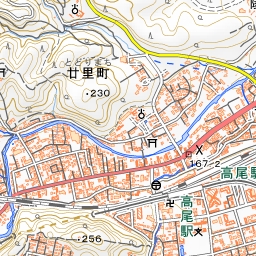
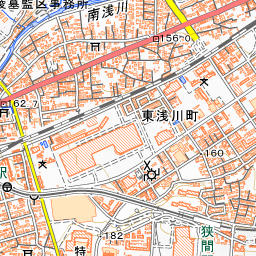
It is about a 15-minute walk from Takao Station on the JR Chuo Line and Keio Takao Line, and also about a 15-minute walk from Takaosanguchi Station on the Keio Takao Line. From the North Exit of Takao Station, you can also take the Keio Bus bound for Kobotoke and get off at "Byoin-mae" right by the garden. A Japanese room that once had a sunken kotatsu (horigotatsu) is now a tearoom, where you can enjoy matcha or coffee while gazing at the garden. From the garden, you can enjoy a view with the mountains of Takao as borrowed scenery. The site of the Kobotoke Checkpoint is located about 360 meters to the west, making it easy to visit on the same walk.
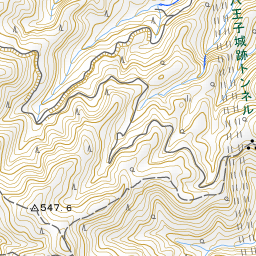
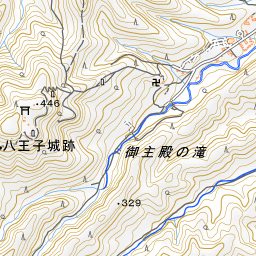
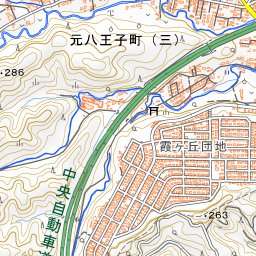
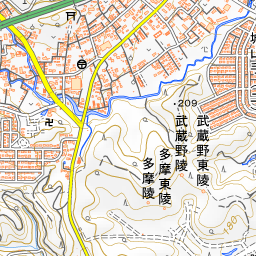
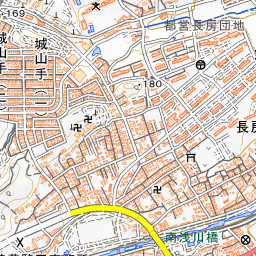
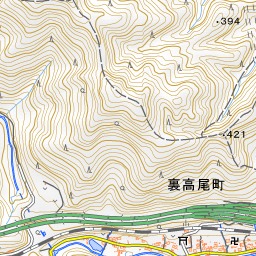
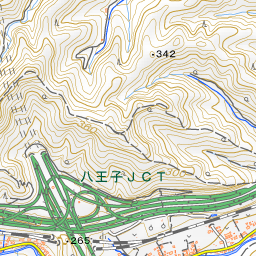
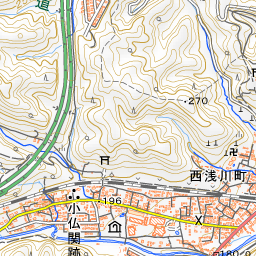
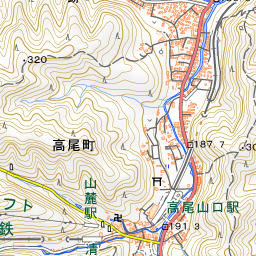
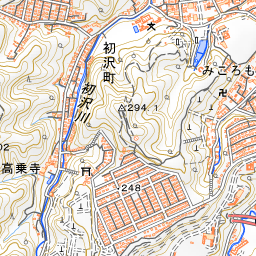
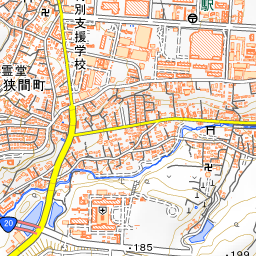
Spot location © OpenStreetMap contributors (ODbL)
Open in Google MapsUse asobot while you walk
- See where you are on the map and find spots nearby
- Listen to the guide's audio in course order, one after another (with subtitles)
- Walk to the next spot while following the map
Open on your phone
Scan to open this spot in asobot on your phone.