 ✨ AI Generated
Hiroshima Prefectural Museum of History
Japanese: 広島県立歴史博物館
Fukuyama, Hiroshima
This information was written by AI and may contain mistakes. Please check official sources for opening hours, fees, and other details before you go.
Found a mistake? Let us know with “✏️ Something's wrong” on this spot's screen in asobot →
🎧 Audio guide(1:00)
In short
The Hiroshima Prefectural Museum of History opened in 1989 in a corner of Fukuyama Castle Park, and is also affectionately known by the nickname "Fukuyama Kusado Sengen Museum." Its centerpiece is the Kusado Sengen Ruins, the remains of a medieval port and market town that lay buried beneath the riverbed of a sandbar in the Ashida River.
- Revived Kusado Sengen: In the exhibition room, a section of the townscape has been reconstructed to full scale, recreating an early summer dusk of the Muromachi period, and visitors can stroll as if walking through the daily lives of medieval people
- Artifacts Grouped by Function: Of the artifacts uncovered by an archaeological excavation spanning approximately 35 years, 2,930 pieces are national Important Cultural Properties, and they are displayed according to their uses around the reconstructed townscape
- The Path of Setouchi and Early Modern Culture: In the General History Exhibition Room, visitors can trace the journey of Setouchi from prehistoric times to modern days, and the Early Modern Culture Exhibition Room features rotating exhibits, including Important Cultural Property materials associated with Kan Chazan and a collection of antique maps
History and Highlights
The Hiroshima Prefectural Museum of History opened in 1989 in a corner of Fukuyama Castle Park, just north of Fukuyama Station. It is also affectionately known by the nickname "Fukuyama Kusado Sengen Museum."
The centerpiece of this museum is the Kusado Sengen Ruins, the remains of a medieval port and market town that lay buried beneath the riverbed of a sandbar in the Ashida River. The town flourished from the Kamakura through the Muromachi period, and its existence came to light in the early Showa period when ceramics and ancient coins were unearthed while sand and gravel were being dug from the sandbar. An archaeological excavation spanning approximately 35 years followed, uncovering remnants of roads, wells, and numerous vessels and tools. Among the excavated artifacts, 2,930 pieces have been designated as national Important Cultural Properties.
Viewing and Experience Highlights
- Revived Kusado Sengen: In the Kusado Sengen Exhibition Room, a section of the townscape has been reconstructed to full scale, recreating an early summer dusk of the Muromachi period. Visitors can stroll as if walking through the daily lives of medieval people, with rows featuring the homes and workshops of blacksmiths and lacquer craftsmen, a carpenter's workshop, a temple hall and cemetery, a market lined with merchant stalls, and a boat landing where unloading vessels docked.
- Artifacts Grouped by Function: Surrounding the reconstructed townscape, excavated Important Cultural Property artifacts are displayed according to their everyday uses. Each vessel and tool once used in the town offers a glimpse into the lifestyle of the people of that era.
- The Path of Setouchi and Early Modern Culture: In the General History Exhibition Room, visitors can trace the journey of Setouchi from prehistoric times to modern days under the themes of "Daily Life of the Common People" and "Transportation and Trade." The Early Modern Culture Exhibition Room features rotating exhibits, including Important Cultural Property materials associated with Kan Chazan, a Chinese-style (Kanshi) poet of the late Edo period, as well as a collection of antique maps.
Tips for Exploring
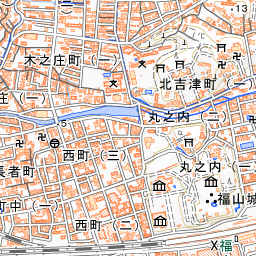
The museum is situated immediately north of Fukuyama Station, making it easy to drop by while waiting for a train. Within Fukuyama Castle Park, you will also find the adjacent Fukuyama Museum of Art and the Fukuyama Castle Museum, which shares the castle's history; visiting them together allows you to experience the history and culture of Fukuyama all at once. Near the Ashida River, where the Kusado Sengen Ruins were located, sits Myoo-in Temple as well.
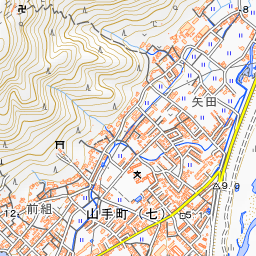

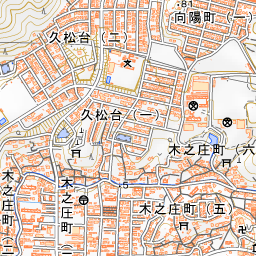
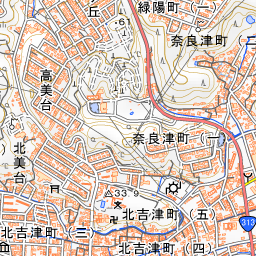
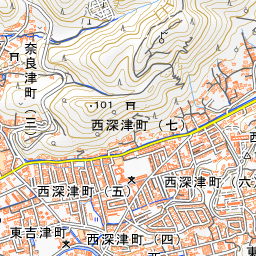
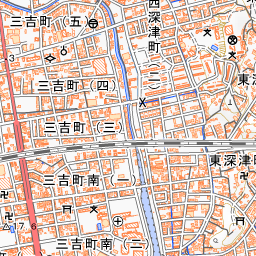
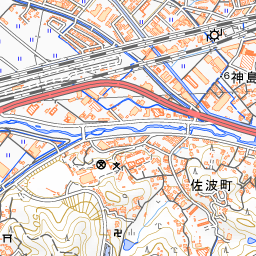
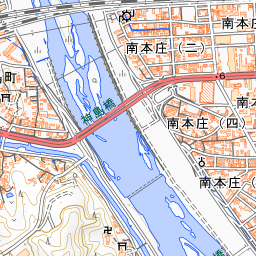
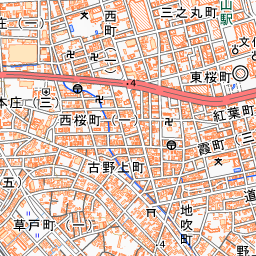
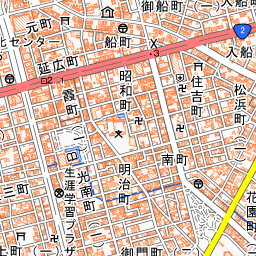
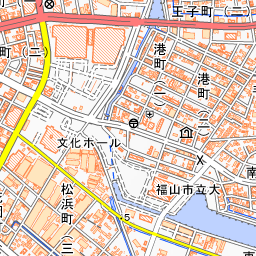
Spot location © OpenStreetMap contributors (ODbL)
Open in Google MapsGuides that include this spot (1)
Use asobot while you walk
- See where you are on the map and find spots nearby
- Listen to the guide's audio in course order, one after another (with subtitles)
- Walk to the next spot while following the map
Open on your phone
Scan to open this spot in asobot on your phone.