 ✨ AI Generated
The Museum of the Imperial Collections, Sannomaru Shozokan
Japanese: 皇居三の丸尚蔵館
Chiyoda City, Tokyo
This information was written by AI and may contain mistakes. Please check official sources for opening hours, fees, and other details before you go.
Found a mistake? Let us know with “✏️ Something's wrong” on this spot's screen in asobot →
🎧 Audio guide(1:07)
In short
The Museum of the Imperial Collections, Sannomaru Shozokan is a facility located inside the East Gardens of the Imperial Palace. It preserves, researches, and exhibits paintings, calligraphy, craftworks, and historical documents that have been handed down through generations of the Imperial Family. It originally opened in 1993 and had its grand opening in November 2026.
- National Treasures illuminating art history: The collection houses works such as the Soran-jo (a trace of Wang Xizhi's calligraphy), the Chinese Lions folding screen by Kano Eitoku, and the Doshoku Sai-e (Colorful Realm of Living Beings) by Ito Jakuchu.
- A collection of about 6,300 items: Including 10 National Treasures and 13 Important Cultural Properties, it brings together cultural assets passed down in the Imperial Family.
- An exterior reflecting palace architectural style: It reflects the architectural style of the new Kyuden (main palace building of the Imperial Palace), which was completed in 1968, featuring elements such as diamond-shaped decorations and copper-patina roofs.
History and Highlights
The Museum of the Imperial Collections, Sannomaru Shozokan is a facility within the East Gardens of the Imperial Palace. In 1989, paintings, calligraphy, craftworks, and historical documents handed down through generations of the Imperial Family were donated to the state by the Emperor Emeritus and Empress Kojun. With the aim of preserving, researching, and publicly exhibiting them, it opened in November 1993 as the Sannomaru Shozokan of the Imperial Household Agency. Later, donations were added from the former Prince Chichibu family, the former Prince Takamatsu family, and the Prince Mikasa family, and today it houses about 6,300 items. Among them are 10 National Treasures and 13 Important Cultural Properties.
The museum's name "Shozo" derives from the ancient ritsuryo system's "kura no kami," the head of the Kuratsukasa (Bureau of Storehouses) who managed utensils and treasures related to the emperor, carrying the meaning of carefully preserving items. "Sannomaru" comes from being built on the grounds of the former Edo Castle's sannomaru (tertiary bailey).
Construction of a new facility began in 2019, and in 2023, management and operation were transferred from the Imperial Household Agency to the National Institutes for Cultural Heritage. It partially opened in November of the same year under its current name, followed by its grand opening in November 2026.
Appreciation and Experience Highlights
- National Treasures illuminating art history: A major feature of the collection is works presented to the Imperial Family from temples, shrines, and former daimyo families since the Meiji period. The Soran-jo, conveying the calligraphy of Wang Xizhi; the Kasuga Gongen Genki-e by Takashina Takakane; the Moko Shurai Ekotoba; the Chinese Lions folding screen by Kano Eitoku; and the Doshoku Sai-e by Ito Jakuchu are all National Treasures.
- Works created by imperial order: Works commissioned by emperors or empresses are also notable. The Jinbutsu Shashincho (album of photographic portraits), made by order of Emperor Meiji, contains photographic portraits of about 4,500 imperial family members and high-ranking government officials.
- The pleasure of rotating exhibitions: Many items in the collection are made of fragile materials such as wood, paper, and silk, so they are exhibited only for limited periods. As the same work is rarely displayed repeatedly, you can encounter different works each time you visit.
Tips for Exploring
The Ote-mon Gate is about a 5-minute walk from Exit C13a of Otemachi Station, and it is about 100 meters from inside the gate to the museum. When the East Gardens of the Imperial Palace are closed, entry is permitted only through the Ote-mon Gate. In front of the museum, be sure to take in the exterior. Traditional elements such as diamond-shaped decorations and copper-patina roofs blend into a modern, streamlined design. The public area is on the first floor only, housing three exhibition rooms, an auditorium, and a museum shop. There are no restaurants or cafes inside the museum, so if you wish to take a break, head to the Ote Rest House. There you will find a cafe, a shop, and exhibits introducing the history of the Imperial Family and the Imperial Palace. For highlights within the gardens, please see the guide for the East Gardens of the Imperial Palace.
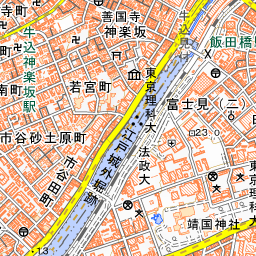

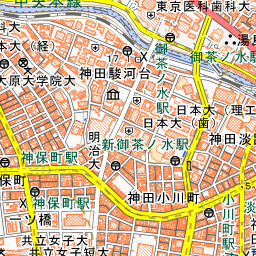
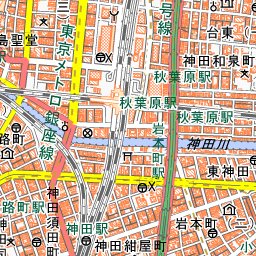

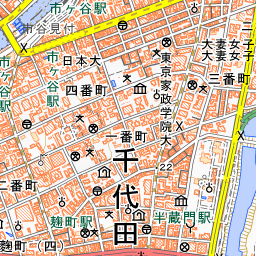
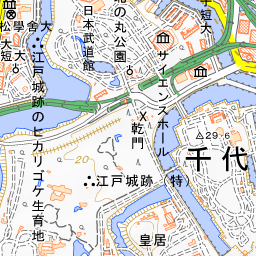
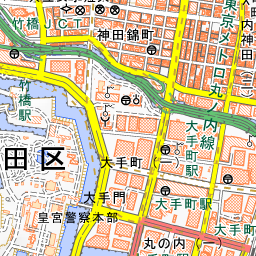
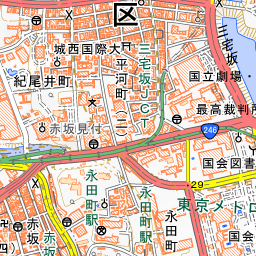
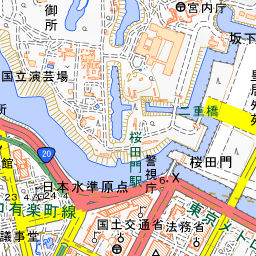
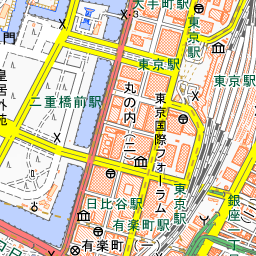
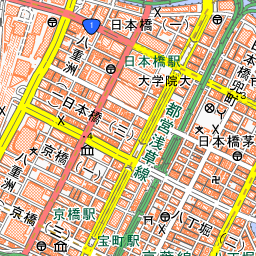
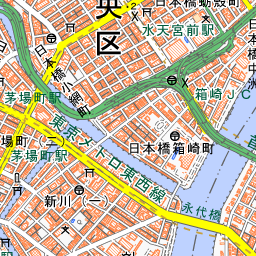
Spot location © OpenStreetMap contributors (ODbL)
Open in Google MapsUse asobot while you walk
- See where you are on the map and find spots nearby
- Listen to the guide's audio in course order, one after another (with subtitles)
- Walk to the next spot while following the map
Open on your phone
Scan to open this spot in asobot on your phone.