 ✨ AI Generated
Osaka City Museum of Fine Arts
Japanese: 大阪市立美術館
Tennoji Ward, Osaka
This information was written by AI and may contain mistakes. Please check official sources for opening hours, fees, and other details before you go.
Found a mistake? Let us know with “✏️ Something's wrong” on this spot's screen in asobot →
🎧 Audio guide(1:11)
In short
An art museum located inside Tennoji Park, which opened on May 1, 1936 (Showa 11). The site was once the main residence of the Sumitomo family, and it was donated to Osaka City along with the Keitakuen Garden for the purpose of constructing an art museum. At the time of its opening, the museum had no collection of its own, and the tradition of displaying works borrowed from temples, shrines, and private collectors continues today. It reopened in March 2025 (Reiwa 7) after extensive renovation work.
- Chinese Calligraphy, Paintings, and Sculptures: Including Chinese paintings from the Abe Collection and Chinese Buddhist sculptures and crafts from the Yamaguchi Collection, the Chinese calligraphy, paintings, and sculptures are renowned globally as a distinguished collection, and the quality and quantity of its Japanese antique art and crafts also rank among the finest in the country
- A Building Evoking a Storehouse: Designed by Osaka City municipal employees of the time, the building is a symmetrical reinforced concrete structure inspired by a traditional storehouse. It was registered as a Registered Tangible Cultural Property (structure) in 2015 (Heisei 27)
- The Revived Central Hall: During renovations, the chandelier installed in 1977 (Showa 52) was removed for earthquake resistance, and when the ceiling paneling added at the same time was taken down, the original hidden ceiling emerged. The central hall is a free zone
History and Highlights
Osaka City Museum of Fine Arts is an art museum located inside Tennoji Park. It opened on May 1, 1936. The site was once the main residence of the Sumitomo family, and it was donated to Osaka City along with the Keitakuen Garden for the purpose of constructing an art museum. In December 1921, the Sumitomo family offered to donate their main residence in Chausuyama on the condition that an art museum be built. Construction was temporarily suspended due to the Great Depression, but resumed in 1934.
In 1920, when the concept for the museum was formulated, Osaka was the second-largest city in Japan, yet it had no national museum. Therefore, it was decided to create a facility combining two functions: a museum that preserves and exhibits cultural properties, and an art gallery where citizens could appreciate fine arts and present their works. The literary figure Mori Ogai was among the committee members who developed this concept.
At the time of its opening, the museum had no collection of its own and displayed works borrowed from temples, shrines, and private collectors. That tradition continues today, exhibiting works deposited by shrines and temples alongside Japanese and Chinese paintings, sculptures, and crafts that have increased through donations from citizens and others. The building was registered as a Registered Tangible Cultural Property (structure) in 2015, and reopened in March 2025 after extensive renovation work lasting 2 years and 5 months.
Viewing and Experience Points
- Chinese Calligraphy, Paintings, and Sculptures: Renowned globally as a distinguished collection, the Chinese calligraphy, paintings, and sculptures were enriched through donations and transfers, including Chinese paintings from the Abe Collection and Chinese Buddhist sculptures and crafts from the Yamaguchi Collection. The quality and quantity of its Japanese antique art and crafts also rank among the finest in the country.
- A Building Evoking a Traditional Storehouse: Designed by Osaka City municipal employees of the time, the building features a symmetrical reinforced concrete structure inspired by traditional Japanese kura (storehouses). The museum director noted that designing it with the image of a storehouse reflects the spirit characteristic of a merchant town.
- The Revived Central Hall: During renovations, the chandelier installed in 1977 was removed for earthquake-resistance purposes, and when the ceiling paneling added at the same time was taken down, the original hidden ceiling emerged. The central hall has become a free zone, making it easy to drop by casually.
Walking Tips
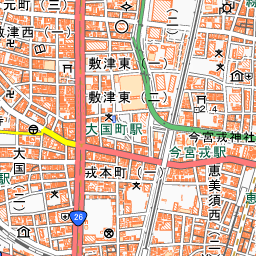
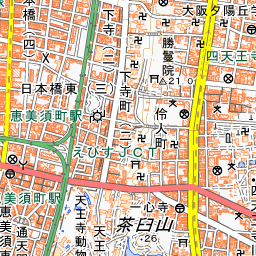
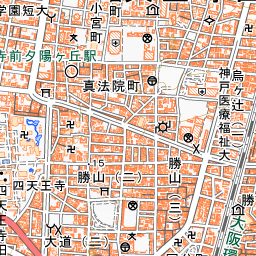
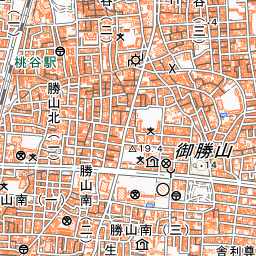
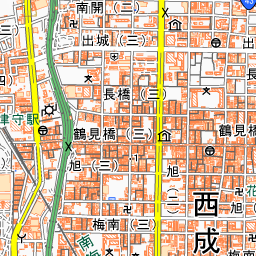
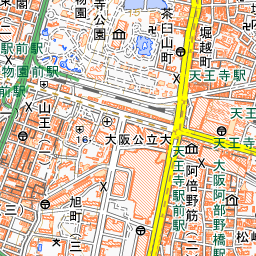
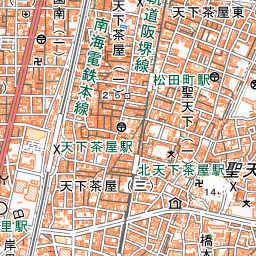
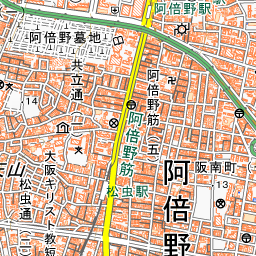
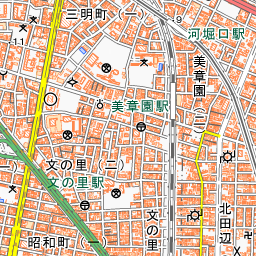
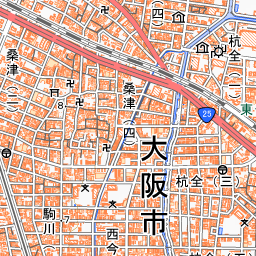
The museum is about 400 meters northwest of the nearest stations, including JR and Osaka Metro Tennoji Station. Through the renovation, an entrance was created below the former main entrance, allowing visitors to enter directly from ground level without using the large outdoor stairs. On the north side of the building is an open terrace overlooking Keitakuen Garden, and visitors can also enter and exit between Keitakuen Garden and the central hall. From the second-floor windows, Tsutenkaku Tower and Tennoji Zoo are visible; the zoo is about 210 meters to the west, and Horikoshi-jinja Shrine is located about 300 meters to the east-northeast.



Spot location © OpenStreetMap contributors (ODbL)
Open in Google MapsGuides that include this spot (1)
Use asobot while you walk
- See where you are on the map and find spots nearby
- Listen to the guide's audio in course order, one after another (with subtitles)
- Walk to the next spot while following the map
Open on your phone
Scan to open this spot in asobot on your phone.