
Japan Oni Exchange Museum
Japanese: 日本の鬼の交流博物館
Fukuchiyama, Kyoto
This information was written by AI and may contain mistakes. Please check official sources for opening hours, fees, and other details before you go.
Found a mistake? Let us know with “✏️ Something's wrong” on this spot's screen in asobot →
🎧 Audio guide(1:02)
In short
A museum where oni (ogres/demons) take center stage, located in Busshoji, Oe Town, Fukuchiyama City, at the foot of Mt. Oe, a mountain steeped in legends of oni. It opened on April 25, 1993, and displays a wealth of materials, including legends of oni handed down on Mt. Oe, Japanese oni, oni from around the world, and onigawara (ogre-faced roof tiles). The secretariat of the International Oni Society, which conducts research on oni, is also housed within this museum.
- The Three Legends of Oni Extermination on Mt. Oe: The museum presents together the tale of Hikoimasu-no-Kimi defeating Kugamimi-no-Mikasa, a Tsuchigumo (earth spider); the tale of Prince Maroko slaying the oni named Eiko, Karuashi, and Tsuchiguma; and the tale of Minamoto no Yorimitsu and his comrades defeating Shuten-doji. The museum also owns a picture scroll of Shuten-doji
- Oni of Japan and the World: Comparing the oni found in daily life, events, and folk performing arts across Japan with foreign masks reveals that the human sentiment of fearing "malevolent spirits" is shared everywhere
- The "Heisei no Daioni" in the Front Courtyard: The largest onigawara roof tile in Japan, measuring 5 meters in height and weighing as much as 10 tons. It was created by onigawara craftspeople of the "Nihon Onishi no Kai" (Japan Onishi Association), who divided the production of 130 separate parts, fired them, and assembled them together
History and Highlights
The Japan Oni Exchange Museum is a museum dedicated to oni (ogres/demons), located in Busshoji, Oe Town, Fukuchiyama City, at the foot of Mt. Oe, a mountain steeped in legends of oni. It opened on April 25, 1993 (Heisei 5). The founding concept was to create a facility where the "oni," a prominent symbol of Oe Town's regional culture, could take center stage. Designed to function both as an exhibition space and as a place for exchange, it was established as a hub where people interact through the medium of oni, while accumulating and transmitting culture. In 2000 (Heisei 12), the Emperor and Empress of the time also visited the museum.
Inside, the museum displays a wealth of materials, including legends of oni handed down on Mt. Oe, Japanese oni, demons and spirits from around the world, and onigawara (ogre-faced roof tiles). Traditional performing arts related to oni from across Japan and masks from around the world are also on display, inviting visitors to ponder the question: "What exactly is an oni?" The secretariat of the International Oni Society, which conducts research on oni, is also housed within this museum.
Viewing and Experience Highlights
- The Three Legends of Oni Extermination on Mt. Oe: Mt. Oe is home to three legends of oni subjugation: the tale of Hikoimasu-no-Kimi defeating Kugamimi-no-Mikasa, a Tsuchigumo (earth spider); the tale of Prince Maroko slaying the oni named Eiko, Karuashi, and Tsuchiguma; and the tale of Minamoto no Yorimitsu and his comrades defeating Shuten-doji. The museum presents all three of these legends together. The museum also owns a picture scroll of Shuten-doji.
- Oni of Japan and the World: Comparing the oni found in daily life, events, and folk performing arts across Japan with foreign masks reveals that the human sentiment of fearing malevolent spirits is shared everywhere.
- The "Heisei no Daioni" in the Front Courtyard: Standing in the front courtyard, the "Heisei no Daioni" is the largest onigawara roof tile in Japan, measuring 5 meters in height and weighing 10 tons. It was created by onishi (ogre-tile craftspeople) of the "Nihon Onishi no Kai" (Japan Onishi Association), founded in 1989 (Heisei 1), who divided the production of 130 separate parts, fired them, and assembled them together.
Tips for Exploring
Adjacent to the museum is an accommodation facility called Oeyama Green Lodge. The settings of the legends and the mountain scenery of Mt. Oe are introduced in guides to Mt. Oe. Mt. Oe lies about 3.5 kilometers to the west, and Onitake Inari-jinja Shrine, enshrined at the 8th station of Mt. Oe, is located about 3.2 kilometers to the west-southwest. Visitors can also combine their trip with visits to the three Motoise shrines: Ama-no-Iwato-jinja Shrine about 3.2 kilometers to the south, Kotai-jinja Shrine about 3.4 kilometers to the south-southeast, and Toyouke Daijinja Shrine about 6.4 kilometers to the south. It is about a 20-minute ride by reservation-based taxi from Oe Station on the Kyoto Tango Railway.
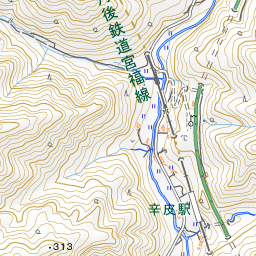
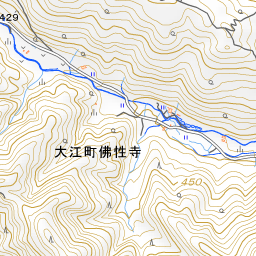
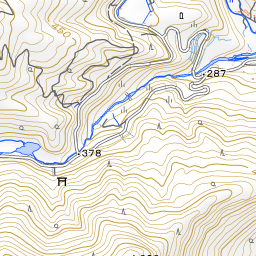
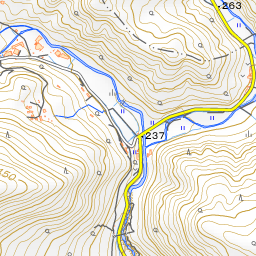
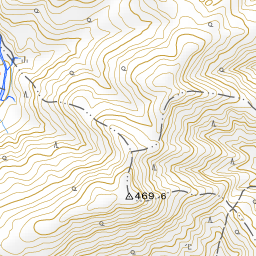
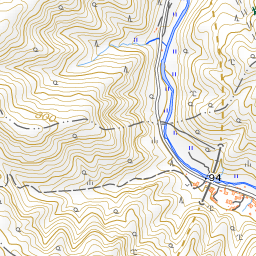


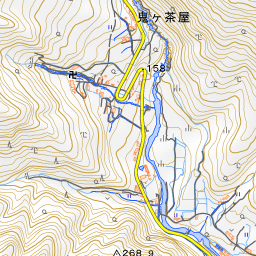
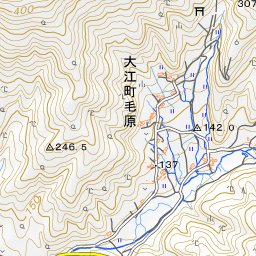
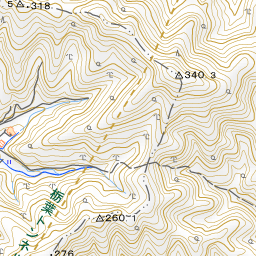
Spot location © OpenStreetMap contributors (ODbL)
Open in Google MapsGuides that include this spot (1)
Use asobot while you walk
- See where you are on the map and find spots nearby
- Listen to the guide's audio in course order, one after another (with subtitles)
- Walk to the next spot while following the map
Open on your phone
Scan to open this spot in asobot on your phone.